
Athens: May 19th – May 29th
When RL Stevenson wrote, “to travel hopefully is a better thing than to arrive”, he was not putting pen to paper during a global pandemic and almost certainly did not mean it in quite such a literal sense. Travelling hopefully, for sure. Arriving (somewhere else safely and legally), felt like true liberation after more than a year of partial house arrest and half a dozen cancelled holidays. When HM Government indicated one could travel from 17th May without requiring formal proof of the purpose of the trip, I booked the earliest ‘free’ Avios flights possible to one of the few European countries that would have us. Needless to say, given the prior prevarications in the advice and guidance, I was skeptical this would not later be reigned in (and was right), so taking off on 19th and landing in to Athens three hours later felt like something of a Houdini moment for us.
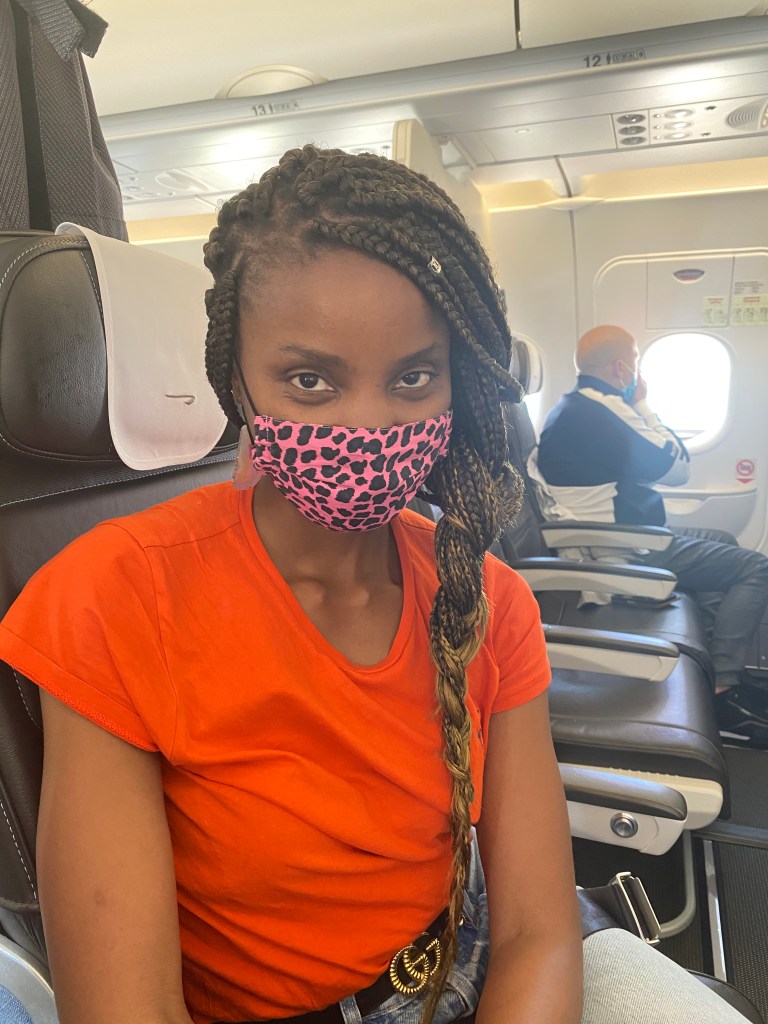
Landing in Athens and getting through immigration without any real hassle or lengthy queues was a welcome relief, particularly given we were expecting completely the opposite having fallen victim to the incessant scaremongering in the British press regarding travelling abroad. The Greek immigration officials only wanted to see our passports, negative PCR test results and that we had a passenger locator form QR code which, frankly, could have been off a crisp packet given the cursory glance the chap gave it. But we had arrived and were finally making a start.
The wall of heat which met us leaving Athens airport felt pretty alien having travelled from relative cold but was very pleasant, although within a few minutes we were both melting and gasping for water. In the ensuing few days, the irony of having left a country where we had to shelter from the cold, wind and rain to a country where we would have to shelter from the sun and heat – at least in the acclimatisation period – was not lost on us.
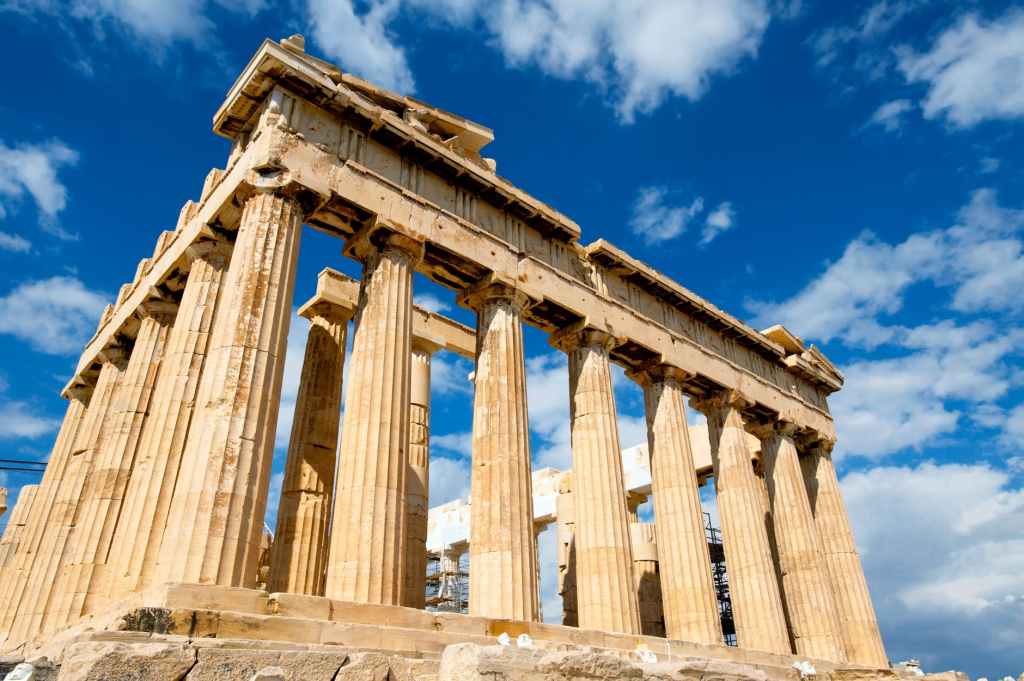
It didn’t take long to feel settled and were able to relax after a tumultuous few weeks. We walked extensively around the city, often, as only mad dogs and Englishmen do, in the searing midday or mid-afternoon sun to see as many of the Athenian relics as possible. Most were accessible and as breath-taking close up as they are from afar, particularly given some were constructed in the centuries BC (the Acropolis and the Agora) or shortly thereafter (Hadrian’s Arch). We also decided to walk up Lycabettus Hill on one of the cooler, windier days – although it was still pretty sticky and unpleasant on the way up – to find fabulous views across the city and of the Acropolis. We were exhausted and dehydrated when we got back to the hotel after five hours later. Fortunately there was a lovely rooftop pool, so we managed and cool ourselves down relatively swiftly ready for another evening stroll.
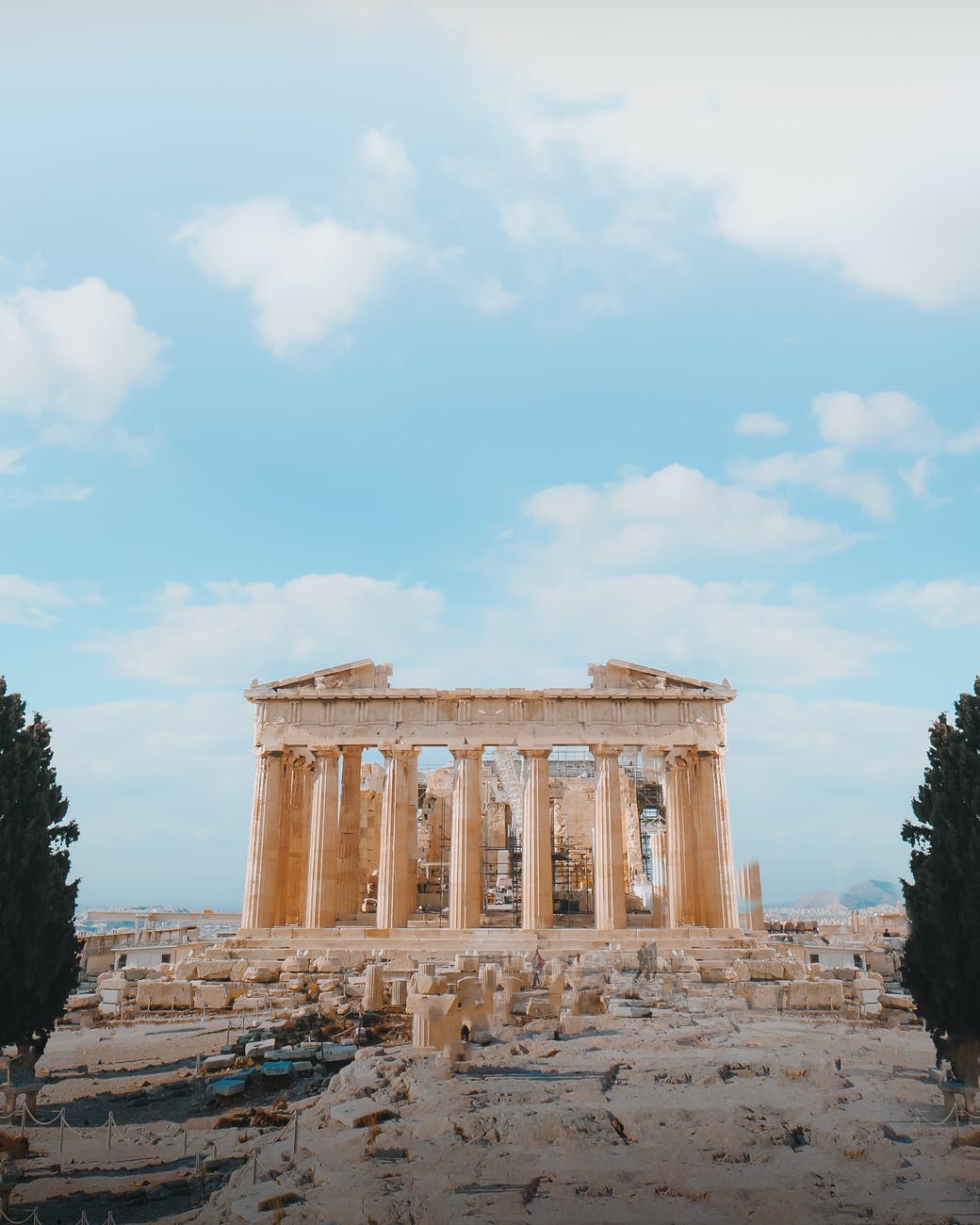
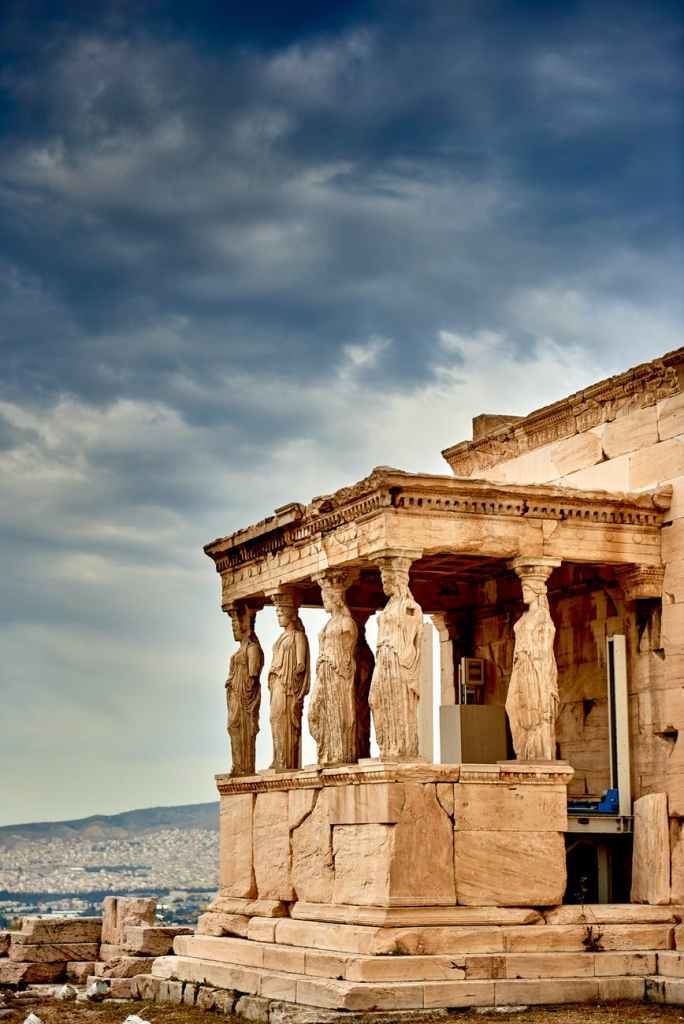
We had our own guided tour (not through extravagance, there was just nobody else around) of the Acropolis on one of the hotter days – Greece was beginning to really heat up at this point – to get some lovely photos and swat up on our previously non-existent knowledge of Hellenic history. Most of our time was spent far below in the main city in and around Athens eating and drinking with the locals who seemed oblivious to the ancient buildings and artefacts arounds them, probably in a similar vein to way Londoners take St. Paul’s, Buckingham Palace and the Houses of Parliament for granted as tourists look on in wonderment. We met a lovely Swedish chap, Peter, who was similarly grateful to be travelling and was about to embark on a three-week sailing trip around the Greek islands – and has invited us on a similar trip around Sweden when we are back!
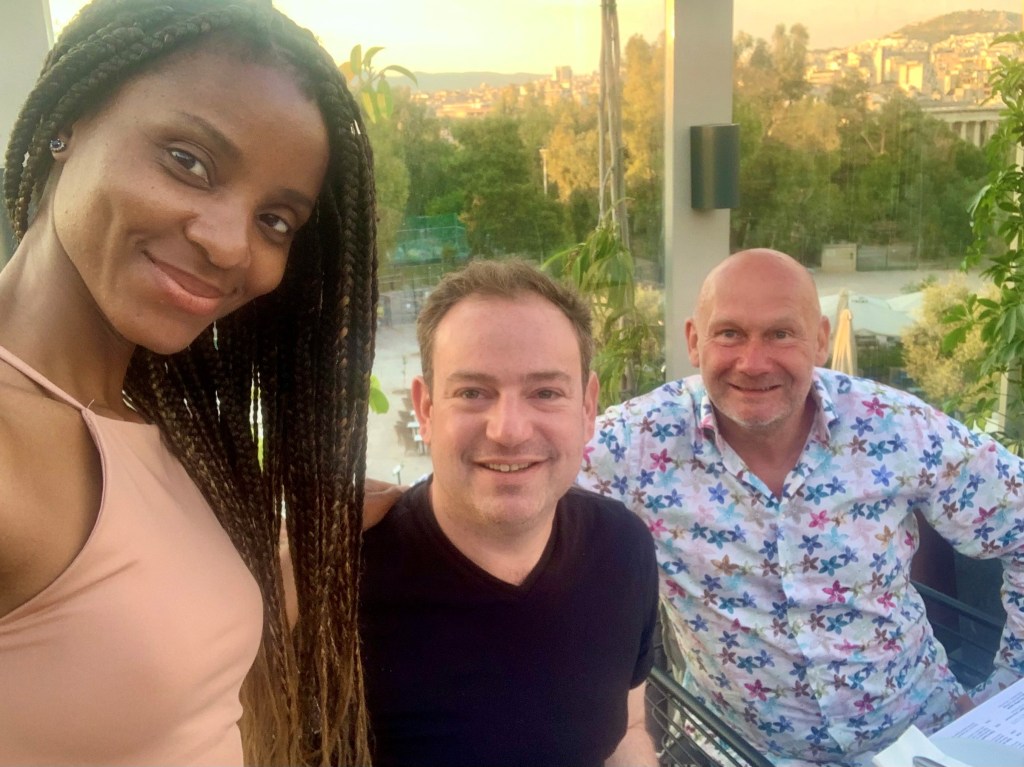
The day in a rental car was fun and gave us a chance to see a bit more of Athens’ surrounding towns and beaches. Having had Lagonisi (southeast of Athens) recommended to us during the previous night’s evening meal, we drove there only to find it overrun with Athenians – who we later learned all head to be beach on a Sunday – so carried on along the coast to enjoy being on the road and out of the hectic city centre. Lagonisi gave us our first glance of what was to come as the Byzantine seas are really a sight to behold, even from the mainland: some beaches no longer than 200 yards, some not even twenty (some not even that), were overloaded with parasols, towels and sunseekers snorkeling, swimming, and generally frolicking in the shallow water. However, after realising we were not going to find a reasonably sized pitch anywhere, we decided to make the most of the car and drive around the coast. We did find a beach later in the day and had our first taste of the Med and afterwards found a fabulous taverna in Parema as we headed back in to the city as dusk set in.
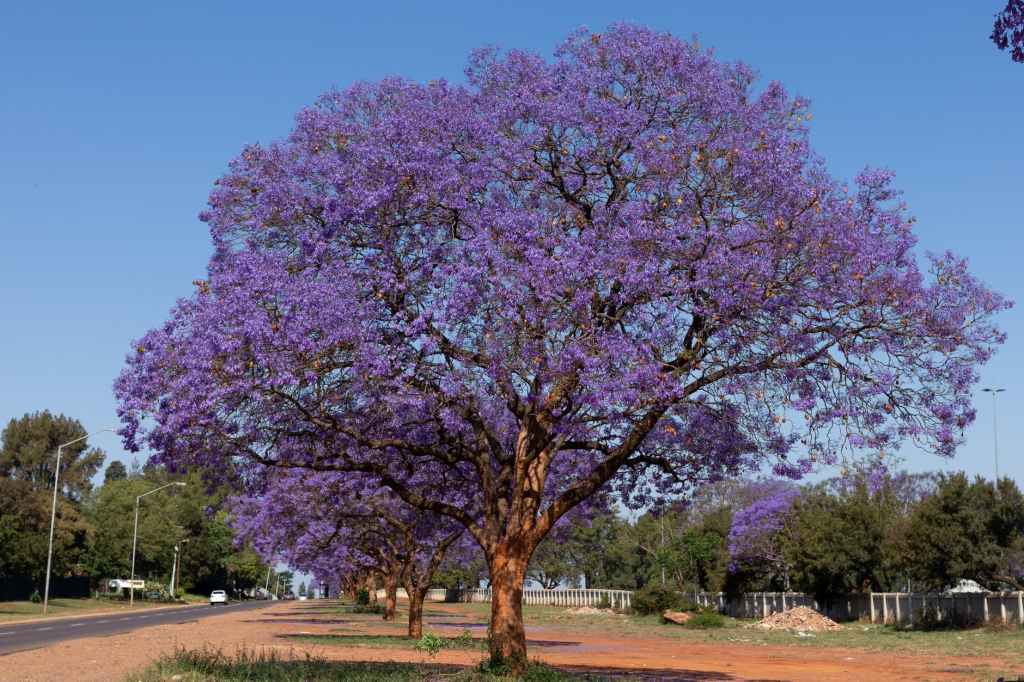
Our lasting observation of Athens is that it is very much different from the rooftops and touristy areas than at street level. Seeing the Acropolis, various elevated churches and battlements, and the Aegean from the hotel pool was an absolute treat but travelling to any of the aforementioned was a somewhat different matter. Athens, like any capital city, is busy and congested but also seemed to be suffering from the ravages of its ongoing economic problems – undoubtedly exacerbated by Covid – and proximity to countries from which people are seeking refuge. We saw many majestic buildings with marble facades which, undoubtedly, had once had been homes gutted by fire and left derelict, evidently for some time. There was sprawling graffiti which would put most London railway bridges to shame and a significant proportion of commercial enterprises – outside of the high-end centre – that were boarded up and used as a canvas for more graffiti, some with makeshift camps and all with litter and general grime on their forecourts. All of this in addition to the scores of predominantly young men who wandered or played cricket in squares, we saw most in Eleftheria Square between the Acropolis area and our hotel, on top of ancient marble mosaics and under the Jacaranda trees. I sincerely hope their prospects are better than they appear at face value.
Paros: May 29th – June 5th
We decided Paros would be the first island we visited after what was probably an overly lengthy stay in Athens. The decision to stay ten nights in Athens was borne out of the uncertainty as to the rules and what would happen if one or both of us was to be tested after getting off the flight from Heathrow and gave a positive Covid result. But all was not lost and we made the most of Athens and, gladly, had the luxury of having the time to not worry too much.
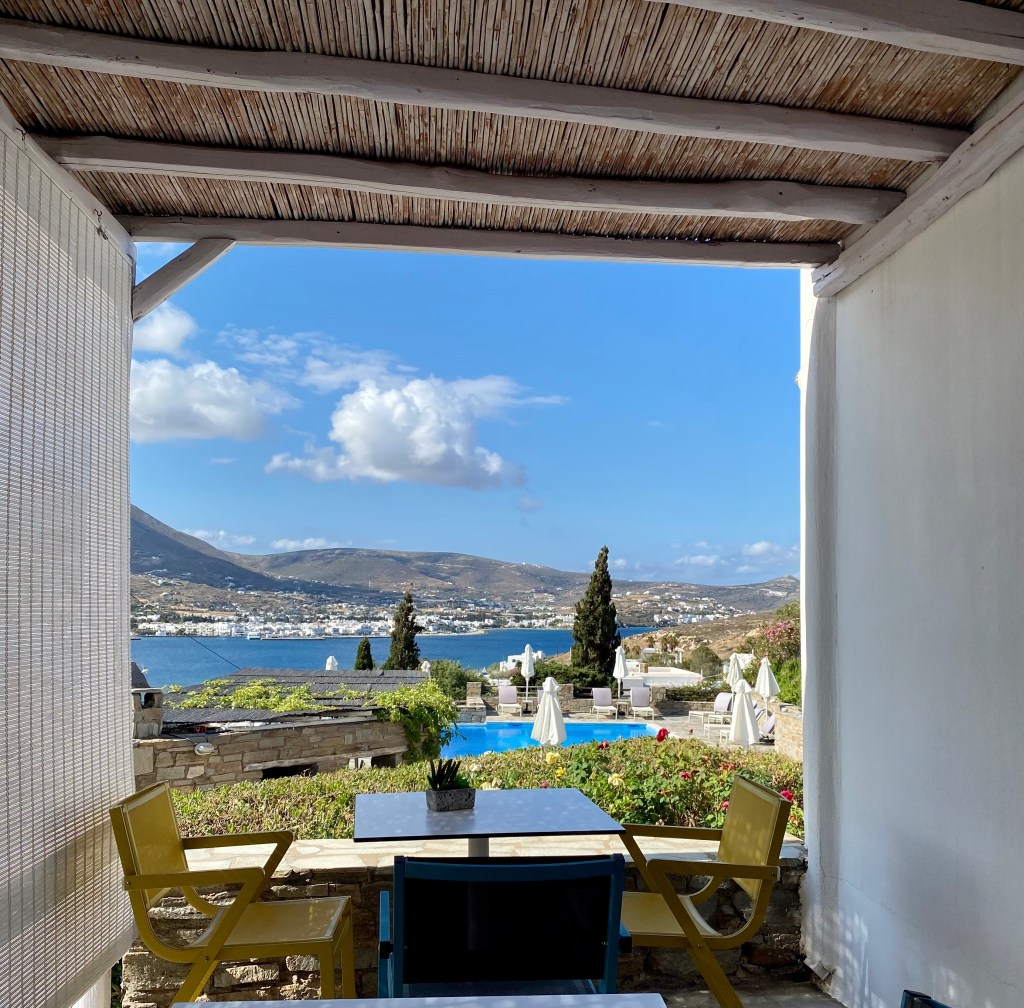
Straight away it was much cooler and there was a welcome breeze which countered the stifling heat of Athens. Whilst there seemed to be a good number of fellow travellers disembarking the ferry in Paros, everyone soon dispersed or was collected by porters from their respective hotels and it was only then it dawned on us how few tourists there actually were. We checked in to our hotel, the Akrotiri Hotel, which overlooks Parikia from the peninsula across the bay, and we were one of two couples checking in (to a 20 or so room hotel) . There was one other couple by the pool. Having spent the previous four weeks in London and Athens we both felt relieved to be somewhere much quieter, in that we had made it to the Greek islands, but there was also a strange feeling of seclusion in during our initial strolls around Parikia as it began to become quite apparent that without the usual throng of Brits this was going to be a much quieter Greek island-hopping experience than we initially thought it might.
Having awoken on day one, the most notable feature – apart from the resplendent view of Parikia from the peninsula – was the epic breakfasts we would both have to be careful not to overindulge in (not historically one of my fortes). Fresh fruit and veg made up only a quarter of what was available, the rest comprising yoghurt and honey (a Greek staple), eggs, bacon, homemade pizzas and quiches, and half a dozen kinds of cheese, some of them having been baked in pastry. This was dangerous ground if I was going to keep my newly found, less-rotund shape. But all things in moderation…
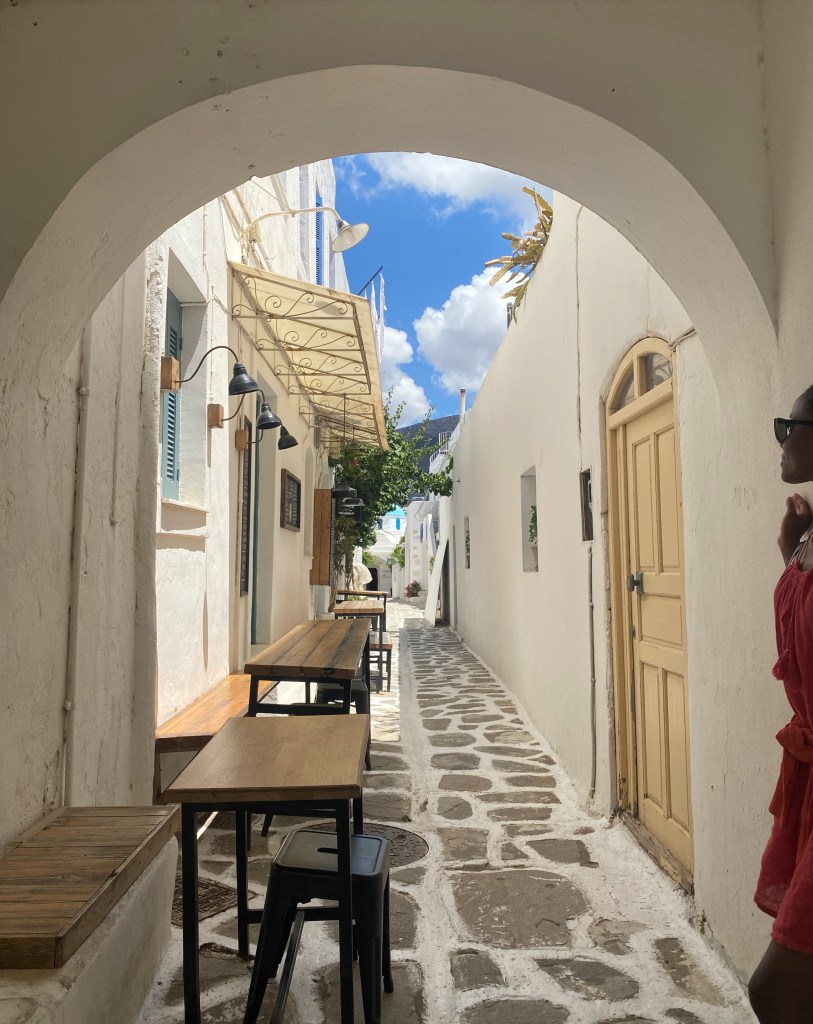
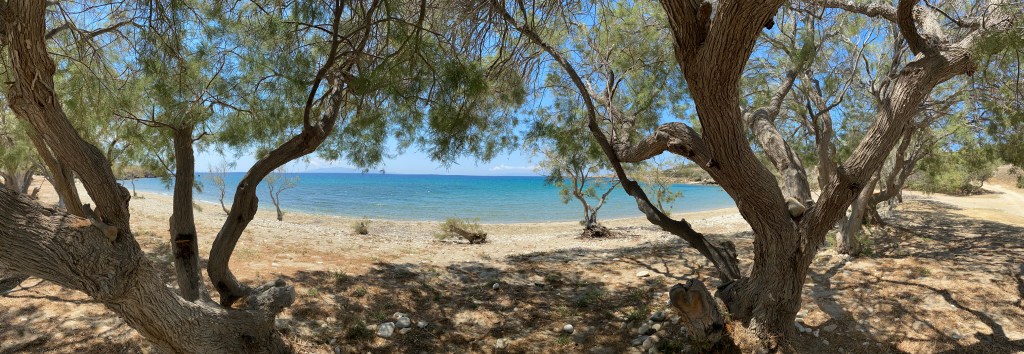
Driving around Paros gave us a good feel for the place. The two main conurbations, Parikia and Naoussa, are both small towns but the former is much more ornate and typically Greek than the latter which seemsto be more of a commercial centre. The only other town was Lefkes, which we found sleepy and pleasant. We took a very pretty walk called the Byzantine Trail down and back up to a village called Marmara in a couple of hours to get in our daily helping of exercise. Again, it was a poorly timed undertaking as we started at about 1pm on the downhill stretch and then had a pretty sticky walk back up the hill. To cool off, we hit a couple of beaches on the south coast, Glyfa being completely empty, before some a refreshment in Aliki . Then we took an exploratory drive up to the north west of the island where we found a lovely little restaurant in a hidden gem of a place, Kolimbythres where the water was knee-deep 100 metres from the shore. There were a couple of yachts bobbing in the bay and there were a couple of beach bars which normally would have been heaving, but we had them pretty much to ourselves, a few other intrepid holidaymakers and locals having a late-afternoon dip after work / school.
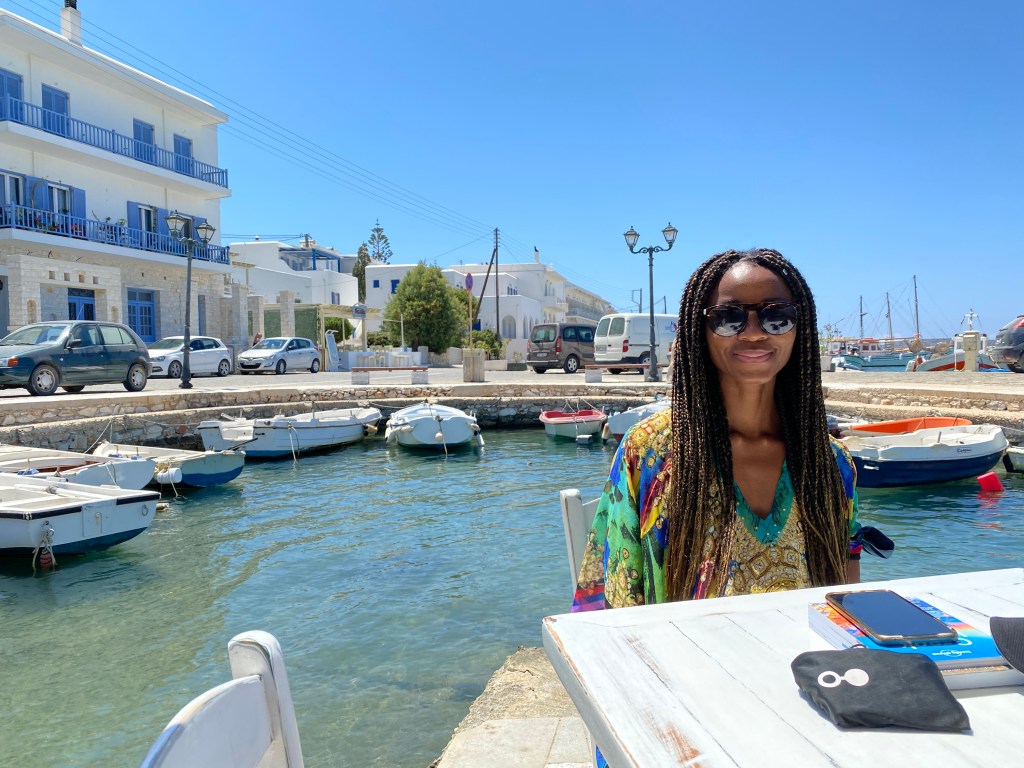
During our week on Paros, we learned that Portugal was going to be removed from the UK’s ‘green list’ the UK was being removed from the EU’s ‘white list’ and the Greek islands, previously touted as possibly being added to the UK’s ‘green list’ were not going to be after all. By then, we were beginning to settle in to quiet island life, so these revelations were not met with quite as much trepidation as they might have been a week earlier.
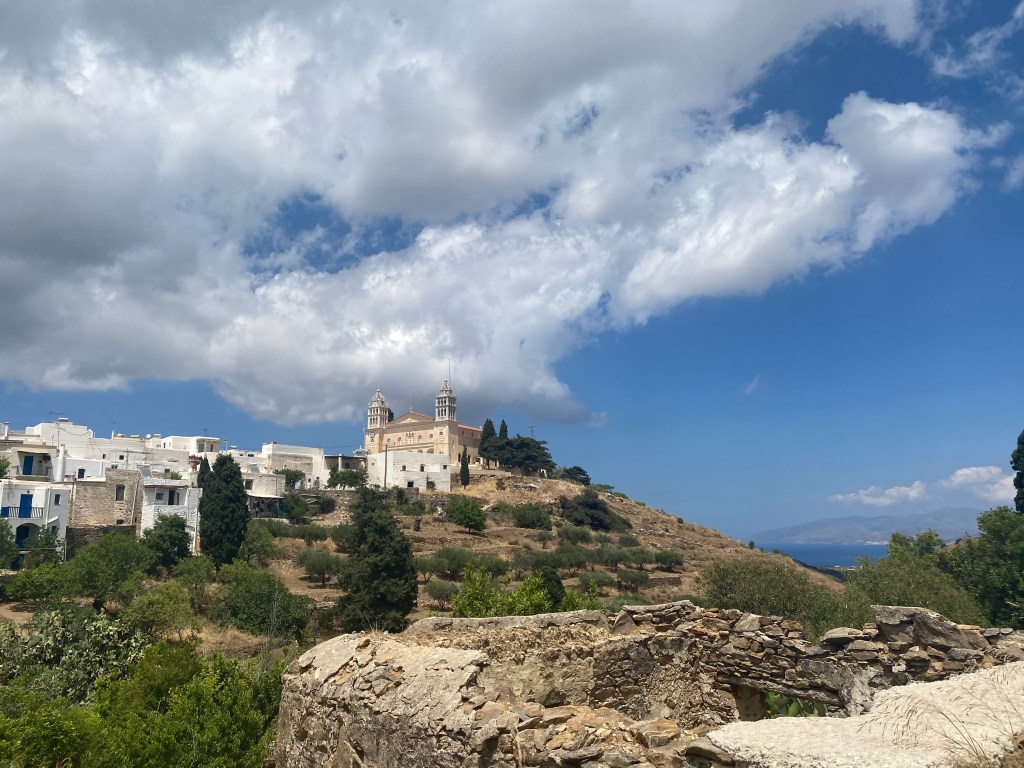
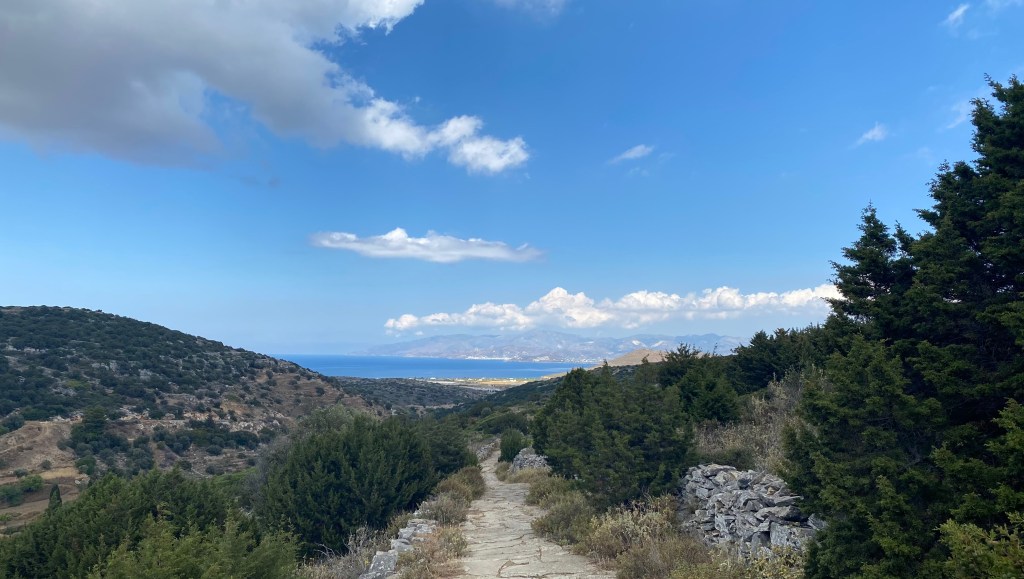
Naxos: June 5th – June 12th
The ferry trip to Naxos was mercifully short (45 minutes) and we disembarked in the main town of Naxos which was quite clearly larger and generally more frenetic than Parikia. The restaurant owners punted their daily wares to us – mainly fresh fish, but there was also octopus and mountain goat on offer – as we walked down the port’s promenade to our Airbnb which we had decided upon for three reasons: for a little more room and independence, better for the travel budget and to have a week away from the temptation of more uber-hearty breakfasts!
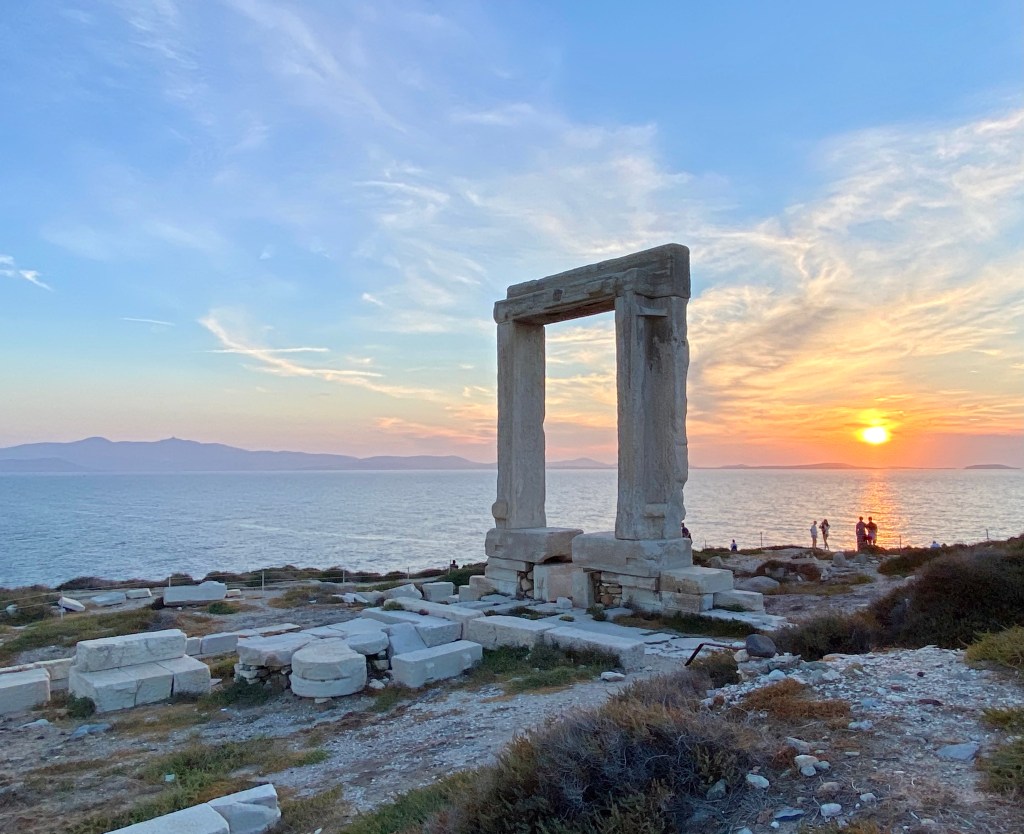
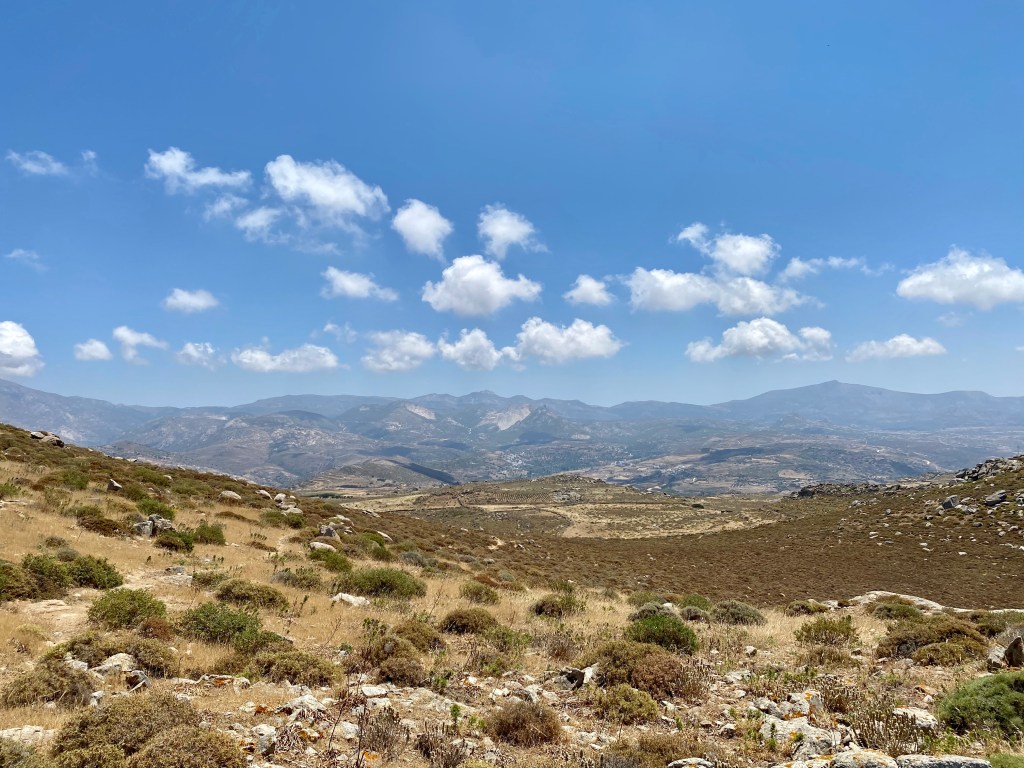
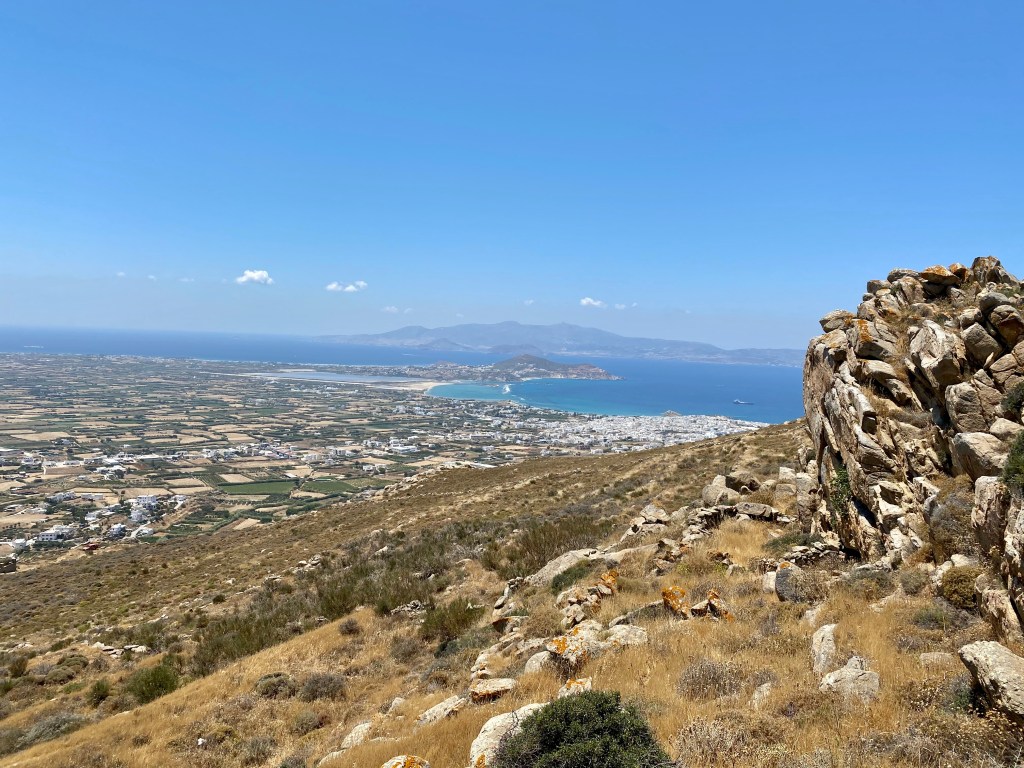
Naxos and Paros are only a few miles apart so, geologically, not dissimilar. The main difference was the size – Naxos being about three times the area of Paros – and the height of its peaks , which are about 1,000 feet higher than any on Paros, are more abundant. While most of the towns and villages on Paros were within a few hundred metres of the coast, Naxos had mountain villages which set in to the side of the larger peaks and, some of which, seemed like the had been untouched in half a century.
On day one we checked in, settled in, ate locally and had a general look around. On Sunday – as Nneka is still working during the week – we decided to rent a car and have a look around the island. Naxos has some quaint villages, some of which were busy and quite vibrant and others which felt like, midway between one village and the next, we had driven through a portal in to the 1950s.
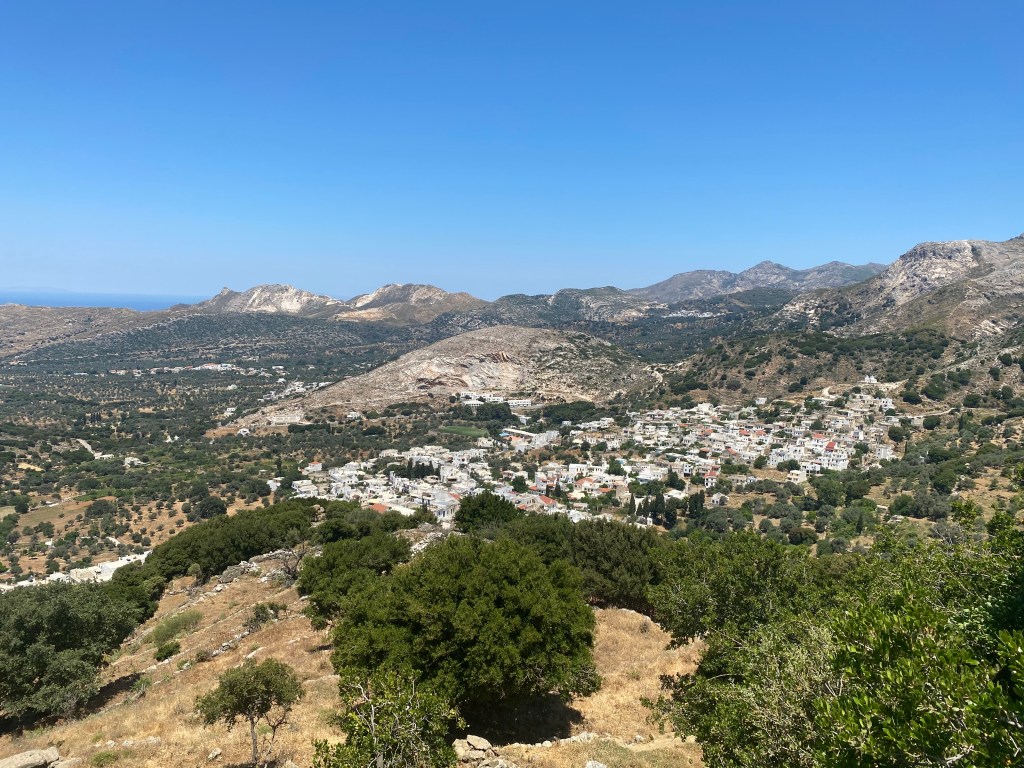
Having driven to the east coast of Naxos, across the mountains, we realised we had set off with a quarter tank of petrol and there were no petrol stations anywhere nearby, i.e. within 10 miles, so we hotfooted it back to the west to refuel and restock. From Filoti, giving up the notion of traversing the hairpins of the mountains again, we headed south to take a look at the beaches and were not disappointed with what we discovered. Probably our favourite of the day was Hawaii (lol), followed closely by Kastraki where we stopped for lunch. Each island seems to have a speciality – or staple – which features on every menu. There are always the ‘string vest’ staples: gyros, souvlaki and moussaka (not meant to be in any way disparaging as I enjoy them all). Gladly though, there are also many other deliciously tempting treats. On Paros there was a prevalence of large beans in a herby tomato sauce which, while delicious, needed the accompaniment of a meat dish – at least for me. On Naxos there seems to be a greater emphasis on root vegetables and squash and our probably our favouite meal on Naxos was in Kastraki (Koztos Taverna) and consisted of butternut with stewed pork and a fig relish. Yum.
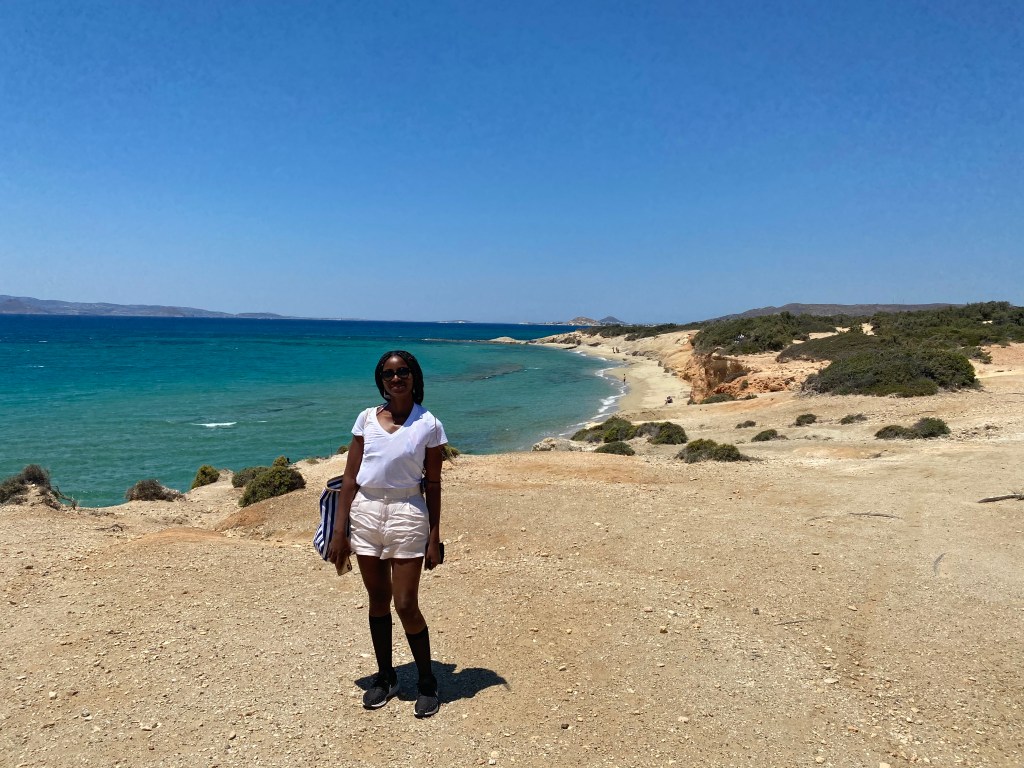
After a snorkel and lunch we were back on the road over to the north-east of the island which, after having missed much of the east in the morning, entailed many hairpin bends on barely-paved roads through a handful of further villages which seemed untouched in many decades – some even appeared uninhabited but for the cars parked either side of the extremely narrow road through their ‘centres’. Whilst Naxos in known for its villages, they didn’t really hold any great appeal to me. Quiet – to a point of appearing uninhabited – they were a far cry from the sparkle of the coastal villages, where there was always a sense of a community hub, be it a shop, taverna or, in some cases, one of their elusive petrol stations.

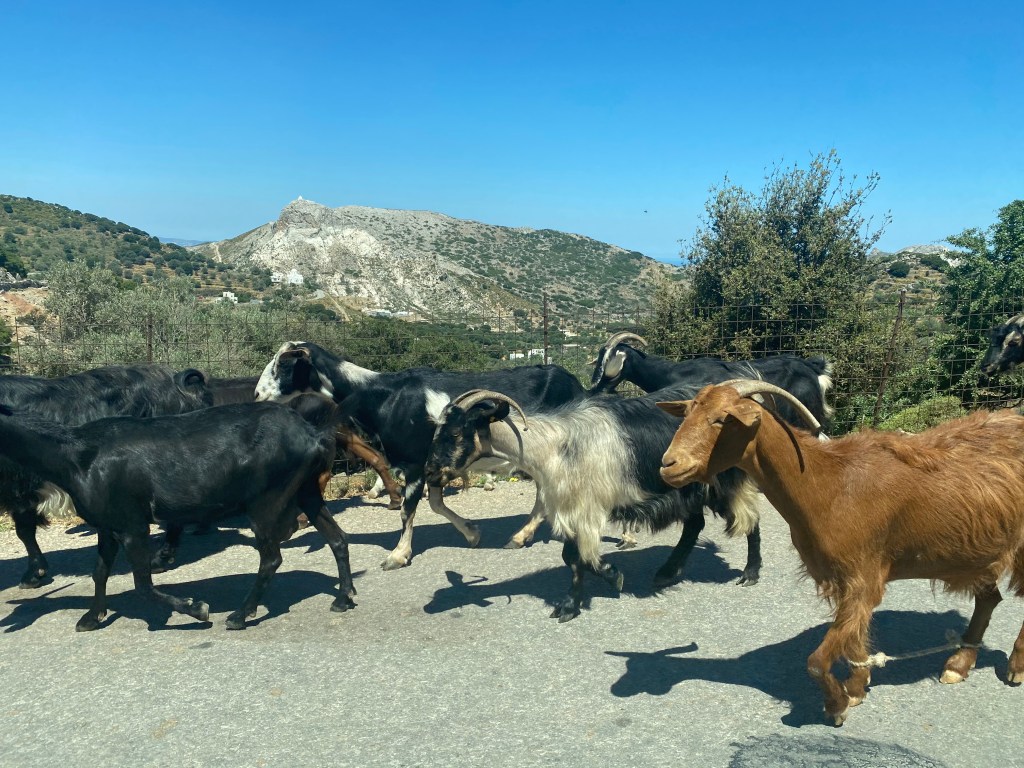
In addition to the small villages, one notable characteristic of Naxos is the small chapels which have been built in some of the most inaccessible places possible. While they are charming to look at and photograph from afar, they must have been virtually impossible to build and be equally difficult to frequent: a real test of one’s faith to visit and revisit these chapels on a regular basis.
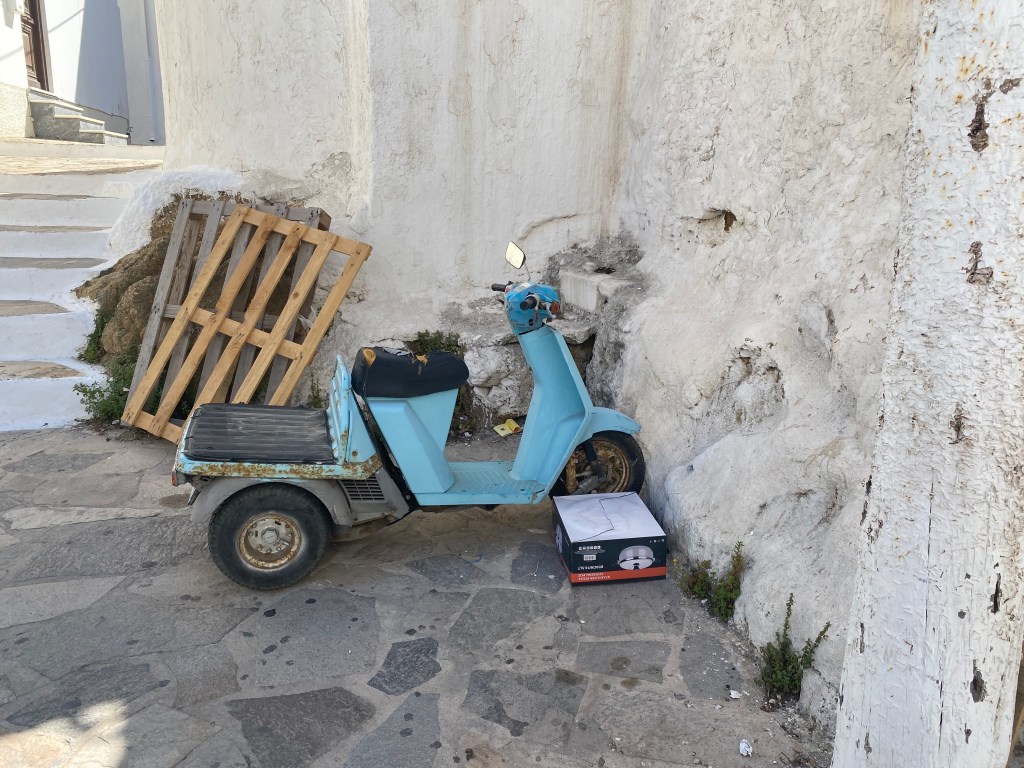
Koufonisia: June 12th – June 15th
When weighing up whether to choose Mykonos or Koufonisia after Naxos it was a toss up between somewhere we had previously been, liked and fancied exploring more, or somewhere completely new to us, much smaller and less explored. The factors that swayed us the way of the latter were since visiting Mykonos in 2018 it had been blighted by some news stories which made paying the (uber) premium prices a dubious choice for us: we had read of rip-off calamari, brawling footballers and Salt Bae being amongst its most recent restaurateurs. It seemed to have become much more ‘on the grid’ than ‘off it’ and, latterly, this year’s post Euros’ parties and 24-music ban to stop the spread of Covid reaffirmed all our decision making had been spot on.
Ultimately the decision to choose Koufonisia appeared vindicated as we emerged from the ferry and saw the town and main beach as we pulled in to the port. The main beach, about 300 yards long, had a dozen or so people bathing on it, the water was shallow and genuinely aquamarine – its fluorescence intensified by the early-afternoon sun beating down on it – and a small (seemingly) authentic town not strewn with seafront restaurants, bars and shops selling the usual tourist toot.
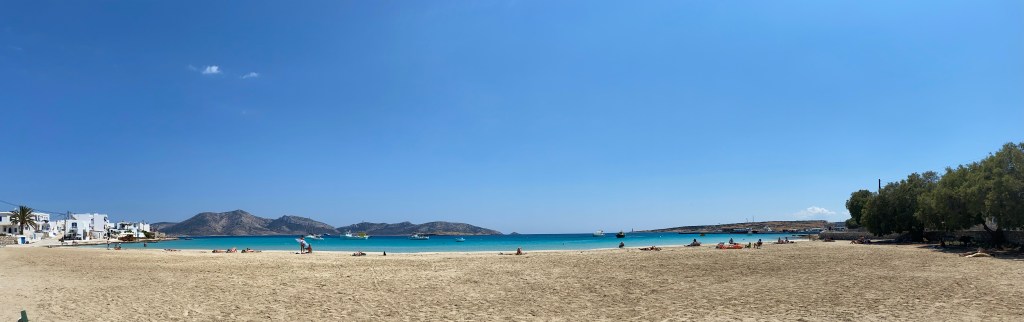
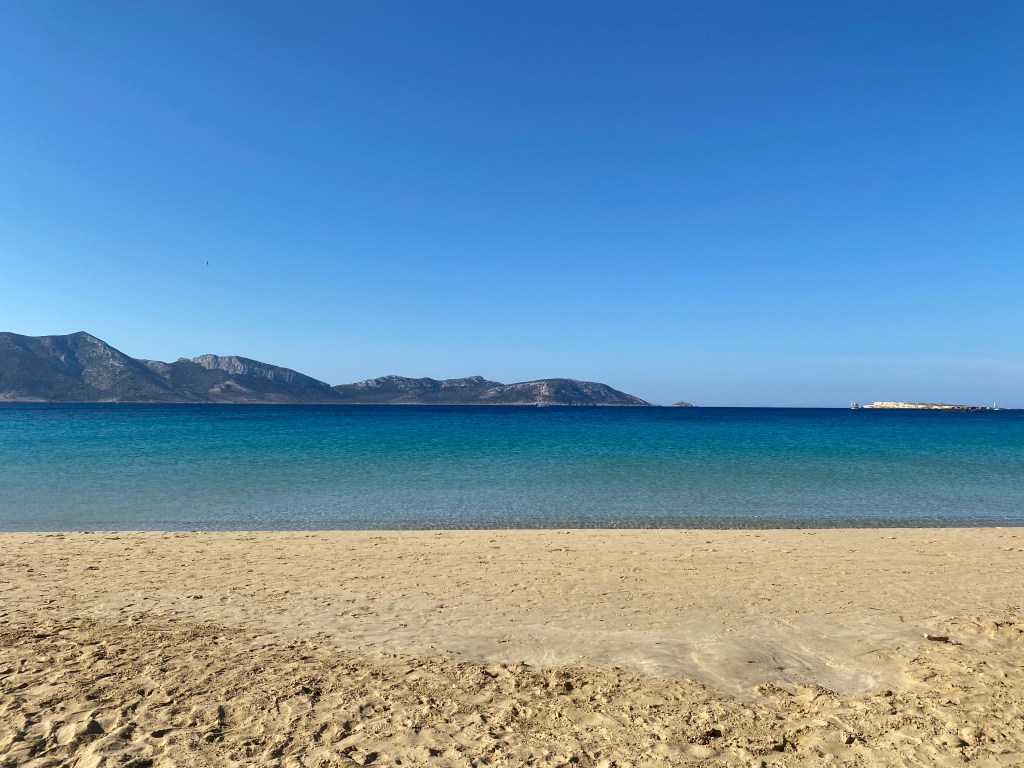
Having done a bit of prior research, I knew Koufonisia is best known for its beaches and we were not disappointed. Every cove had something attractive about it, be it an established place to swim – with steps down from the road / track – or one which requires some clambering down to. They invariably have a bit of sand to pitch up on, crystal-clear waters and a nudist not visible from the road – most of whom seem completely unfazed by the arrival of two semi-clad interlopers. So far, our best snorkelling was on Koufonisia: shoals of whitebait, sticklebacks, catfish, plaice, pipefish and rainbow wrasse, which might seem unremarkable, but all this in a few feet of water, and all of which seemed remarkably tame.
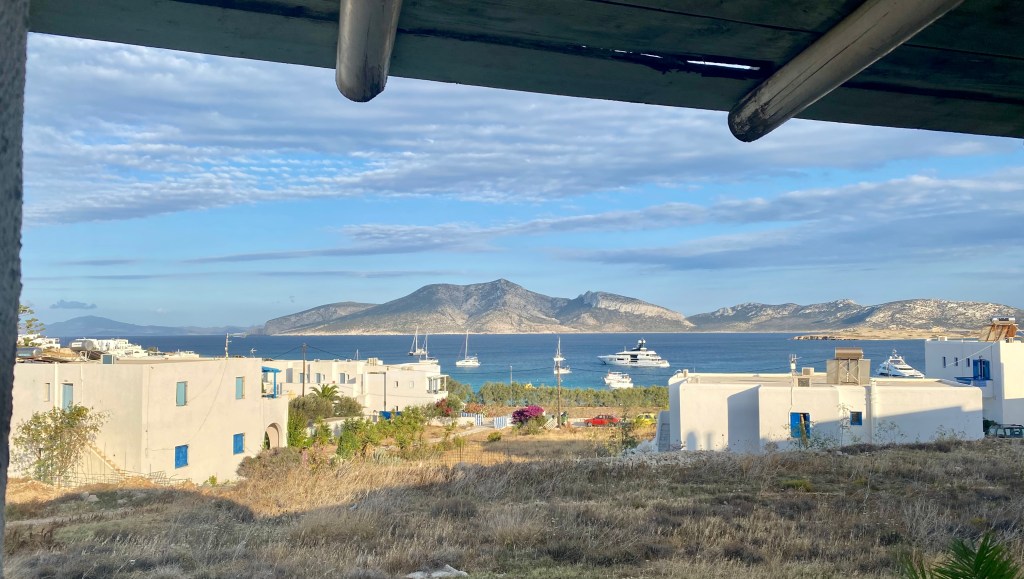
It was too small to bother hiring a car, so we walked around the island – one half one day, the other half the next – and discovered nothing decidedly notable apart from some wonderful views of the south east of Naxos, the odd goat farm, a tiny petrol station in the middle of nowhere (but still only a mile out of ‘town’) and a helipad which we agreed would be in lieu of a hospital on the island – rather then, at this stage at least, for the super-rich to fly in on their helicopters.
The three days here were very enjoyable, but definitely enough.
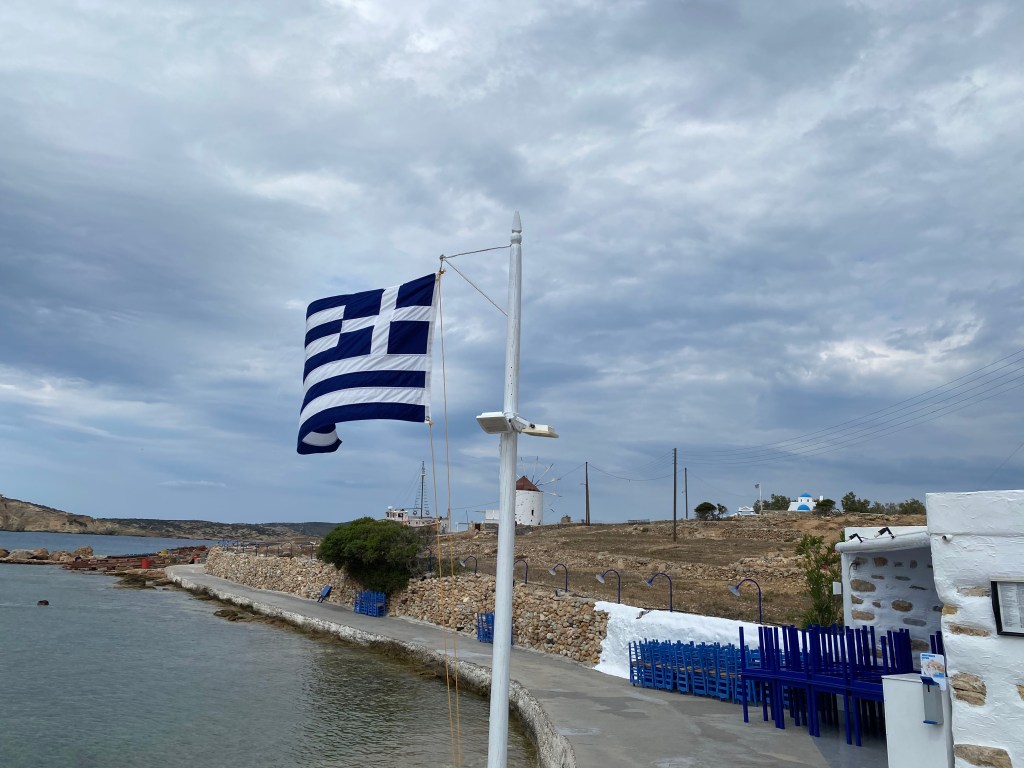
Santorini: June 15th – June 21st
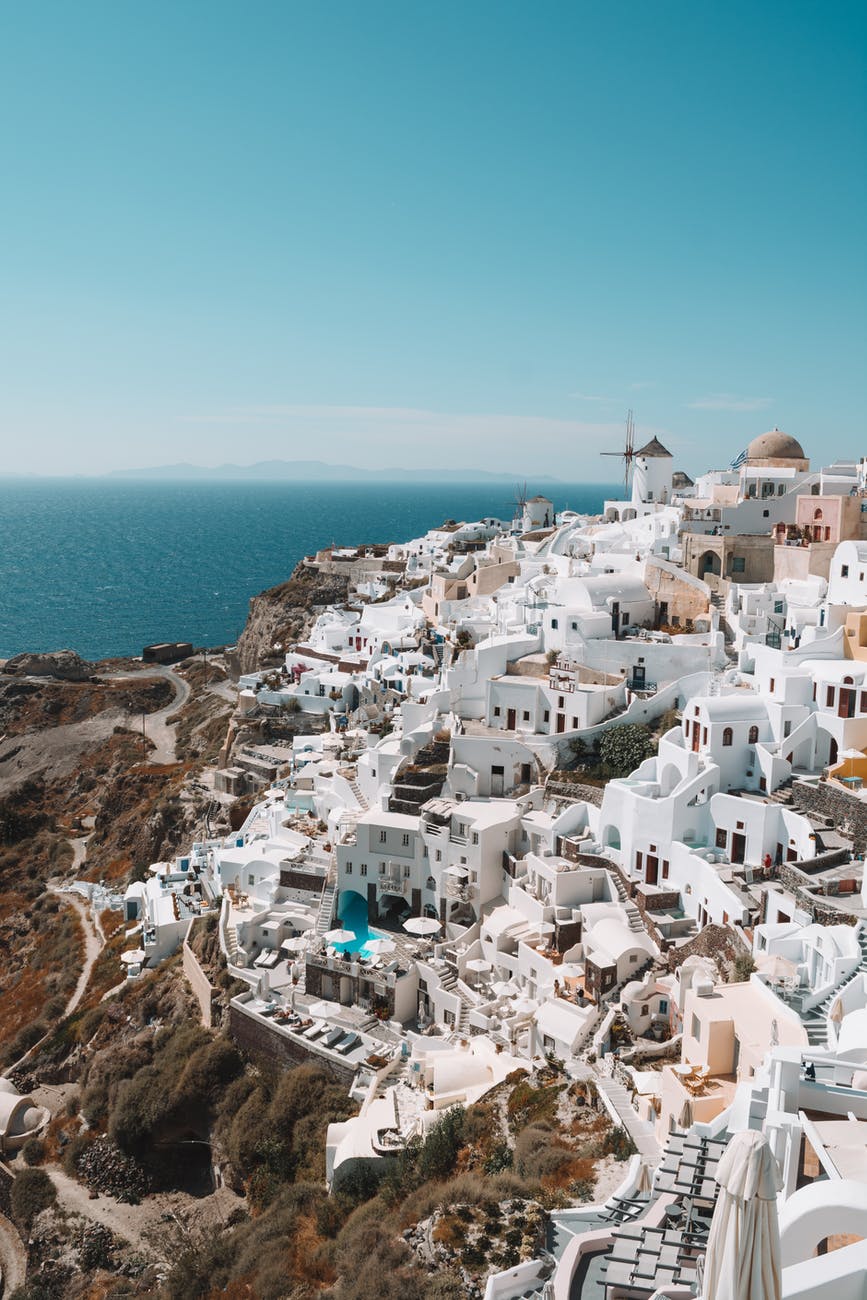
It is difficult to write anything that hasn’t already been written about Santorini as it is probably Greece’s best known and most visited island, so I’ll keep this relatively brief. Arriving by ferry for the first time – our previous visits have been individual holidays during which we had flown in – provided an interesting new perspective of Santorini from the water and enabled us to look up at Fira and Oia from inside the caldera of the now extinct volcano. It looked larger, more grand and, to an extent, provided an insight in to how Messrs Branson, Bezos and Musk might want to the moon to look in a few decades’ time – with the notable exception of the surrounding sea.
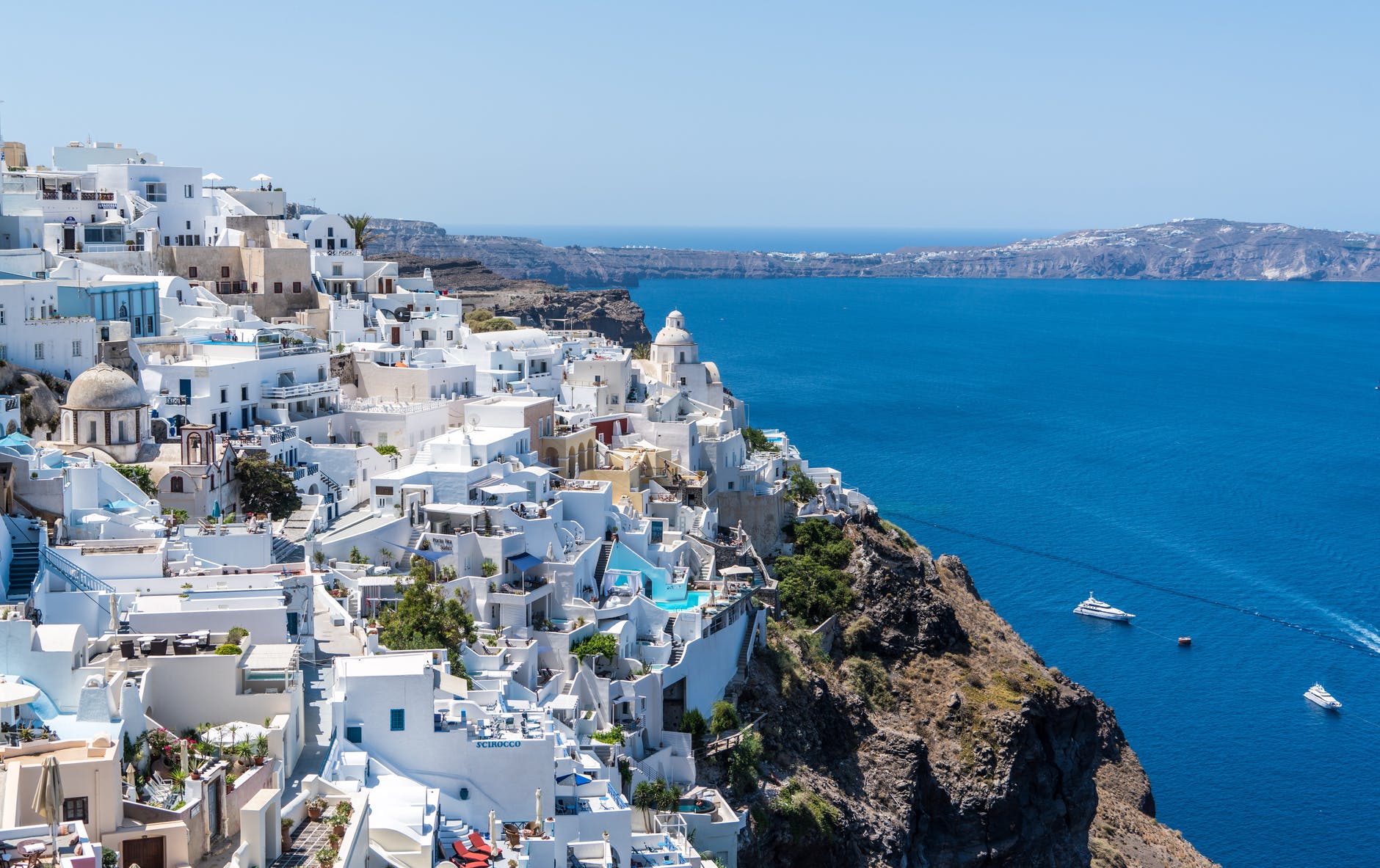
Nneka had chosen Santorini as the island to celebrate her birthday and we opted to stay on the beach side, Kamari, rather than the caldera side. Of the five days we had on Santorini, we only really left Kamari on two days: one day to re-explore – we went to the aforementioned towns, Fira and Oia, as well as Akrotiri in the south, to wander around and take some of the obligatory photos – and the other on Nneka’s birthday for a curry (at a restaurant in a fairly obscure location in the middle of the island) and sundowners overlooking the caldera we had arrived in to a few days before.
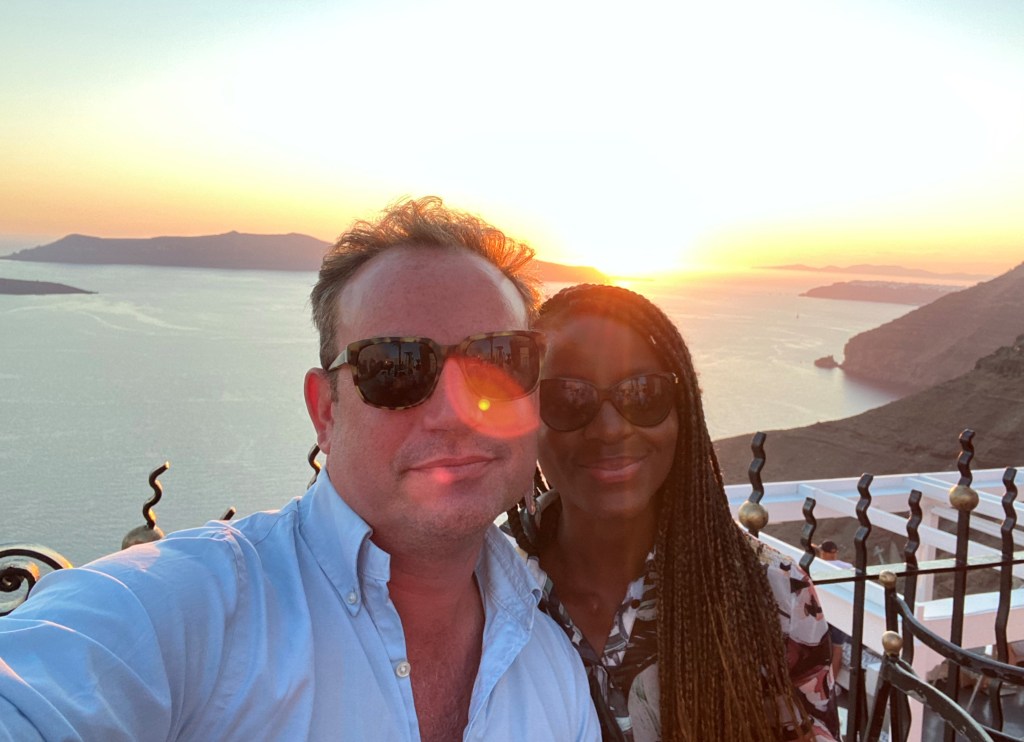
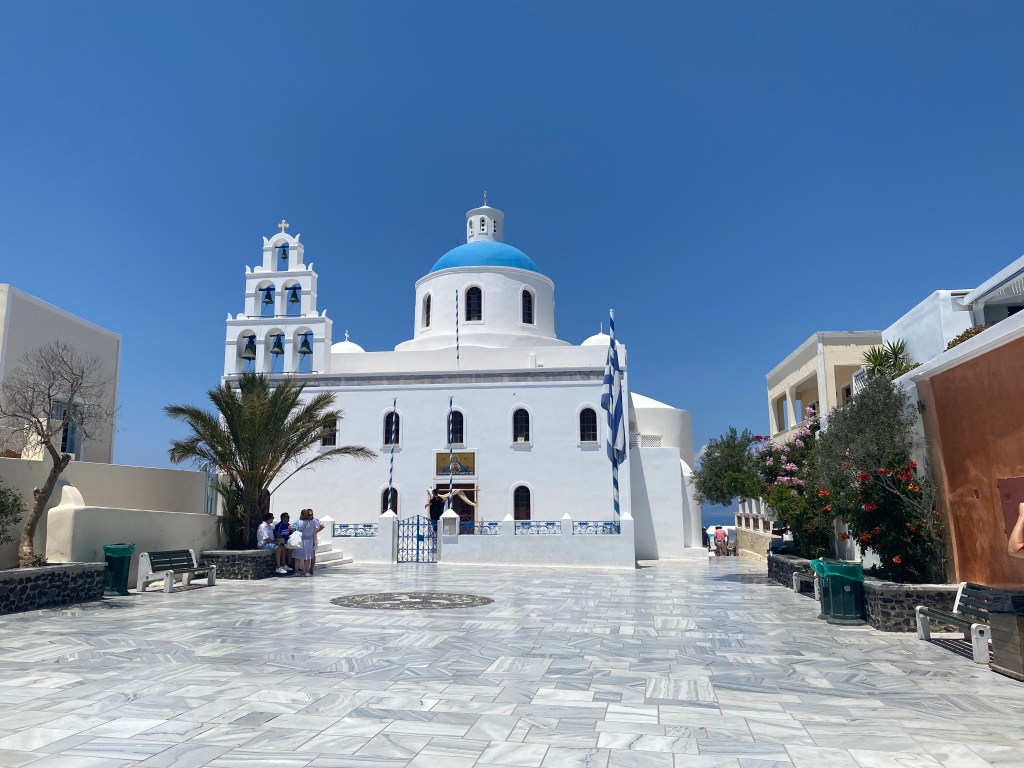
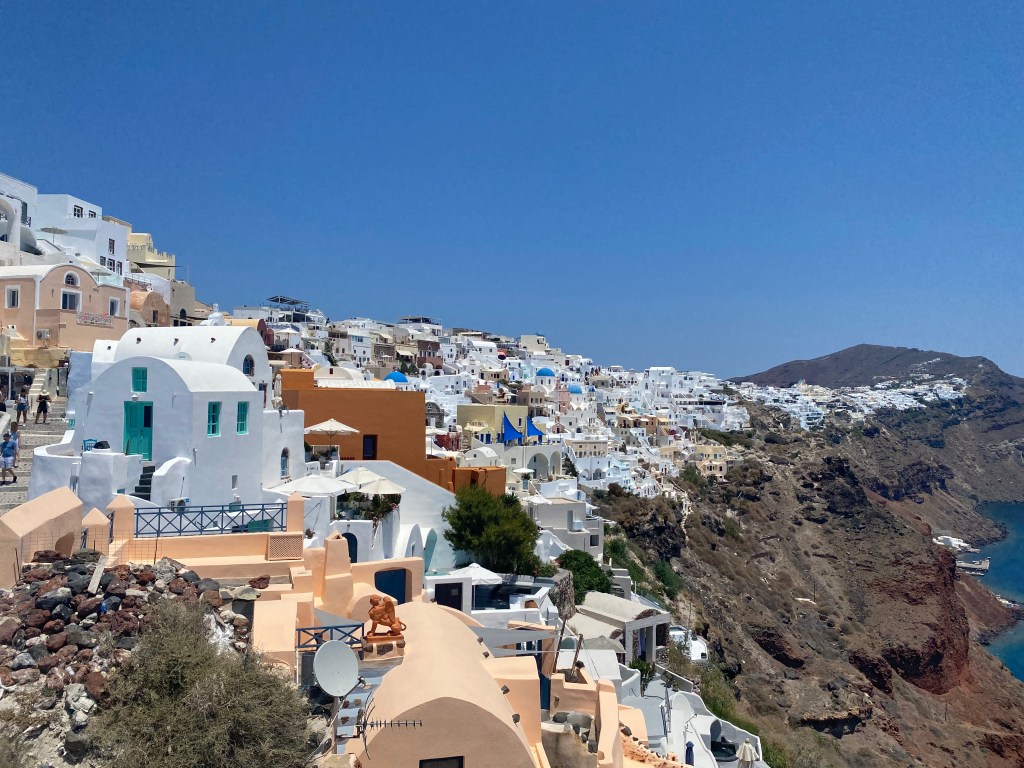
It was a different experience those before as it there were so few tourists around. During previous visits to Santorini we had noted a far greater prevalence of tourists from the far east and US than most other Greek islands who, we surmised, are not travelling as much as they usually do given the current situation. During our five days there we only saw one cruise ship which made for quieter and more pleasant strolls around Fira and Oia as we didn’t have to contend with the cruise ship passengers stampeding around the narrow alleys looking for the perfect snap before clambering back on to their ship. Should we ever revisit Santorini when more normal times return, I expect it to be a very different and more hectic experience.

The other difference was the preponderance of quad bikes; what tourists there were all seemed to have hired quad bikes rather than the usual little white Fiat! They were absolutely everywhere on the roads and we just couldn’t see the appeal: a full day of unadulterated heat, sun and dust…
Rhodes: June 21st – 8th July
Arriving in Rhodes and taxiing to our hotel was more cathartic than we thought it might be. After a funny night’s sleep on a ferry – I would be surprised to know if anyone sleeps entirely soundly for one night when everything is rocking and creaking as it does on a boat – we woke to an announcement informing us we had just left Symi for Rhodes, about an hour’s sail. The taxi ride from the port to the hotel was only about ten minutes but skirted the Old Town of Rhodes which immediately piqued our interest as it was so different from everything we had seen in the Cyclades islands.
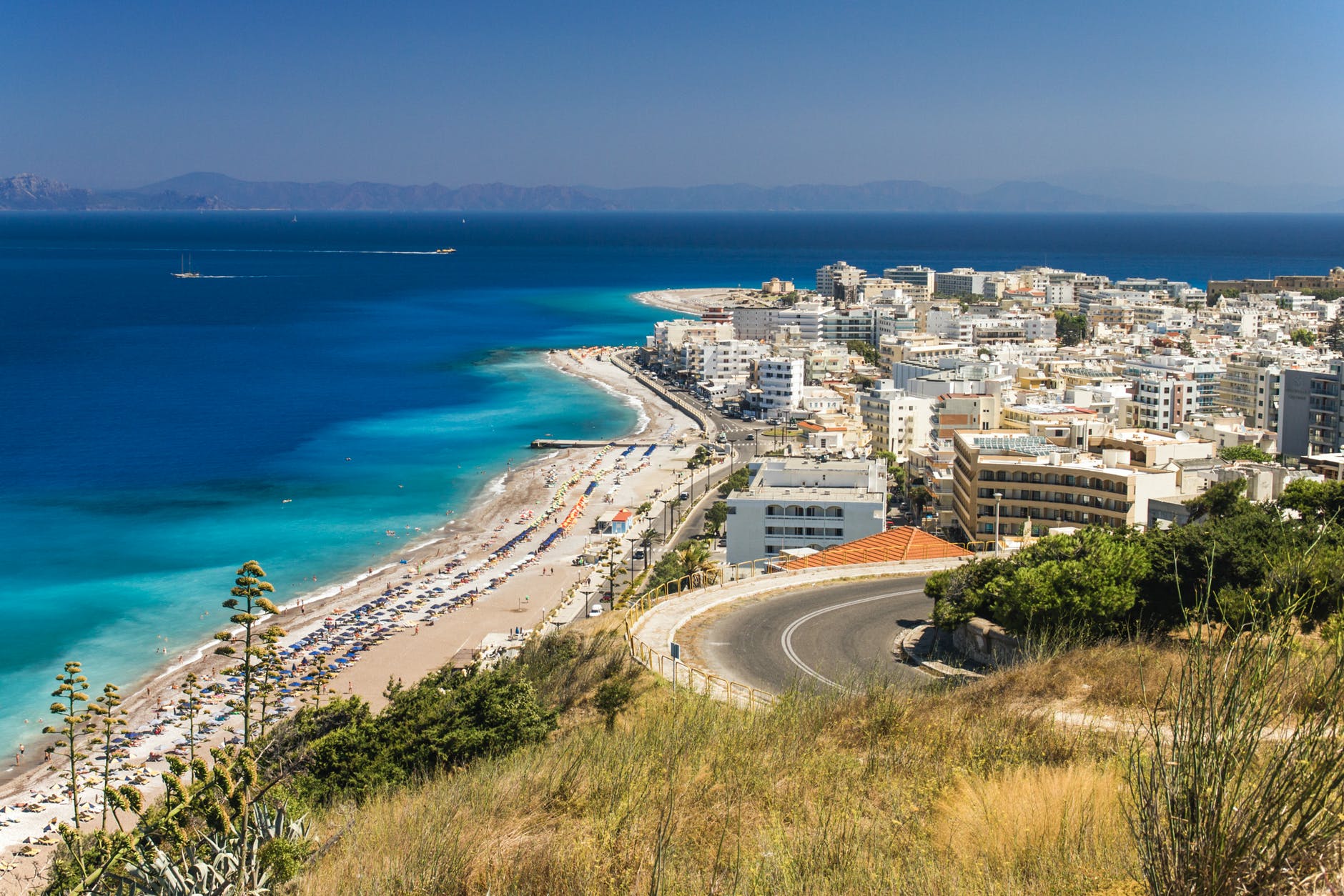
Our first hotel was in the New Town which, after checking in, we had a walk around. It felt less touristy, more cosmopolitan and, in some way, less contrived, i.e. there were no painted pavements and the buildings weren’t all white and blue as they had been on the previous four islands. We had wondered whether Rhodes might be a bit of a cop out for our trip, as we wanted to see some of the less explored, more obscure of the Greek islands, but ambling around the New and Old Towns of Rhodes we quickly realised our preconceptions of Rhodes as an island of Brits abroad resorts had been seriously misplaced.
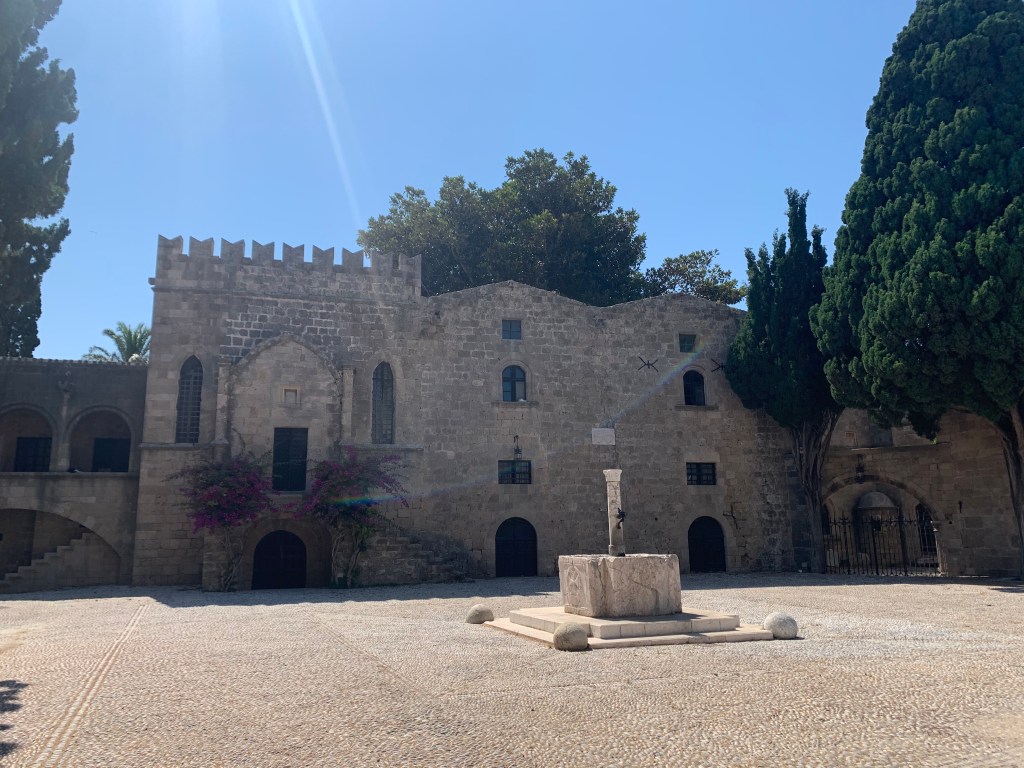
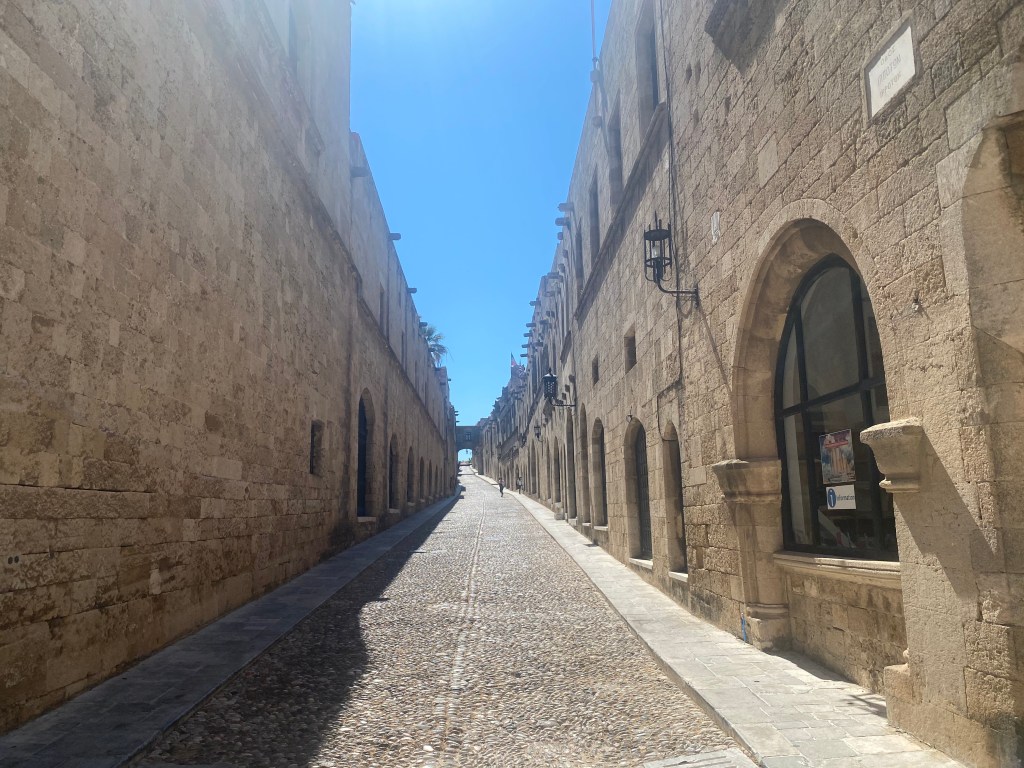
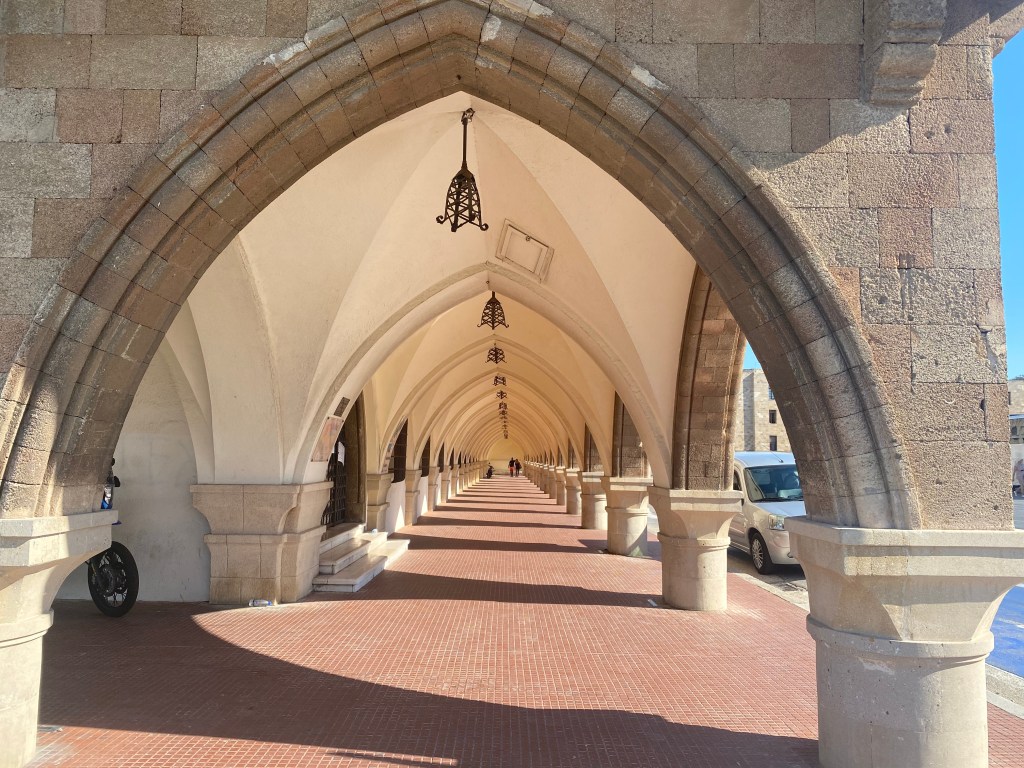
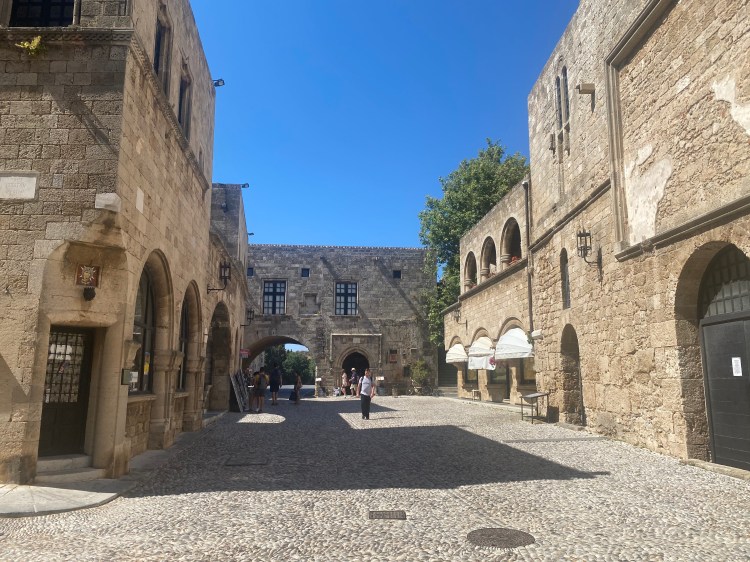
Some pictures of Rhodes Old Town with virtually no tourists – not by design, but this was how few tourists were on one of the most popular tourist islands in early-July. To some extent it was lovely to have the place (almost) to ourselves, however, when speaking to waiters, shop owners and restaurateurs, some conversations became a little melancholy when the enormity of the impact of travel restrictions on the lives of those who depended on tourism – and the families which depended on them – became apparent.
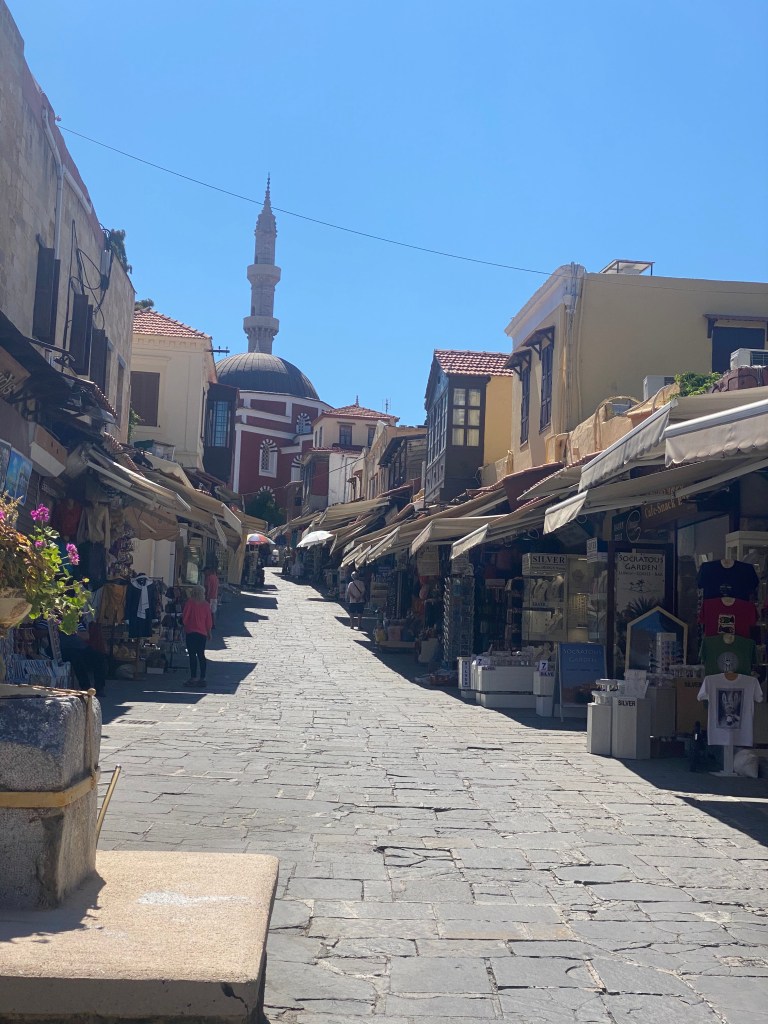
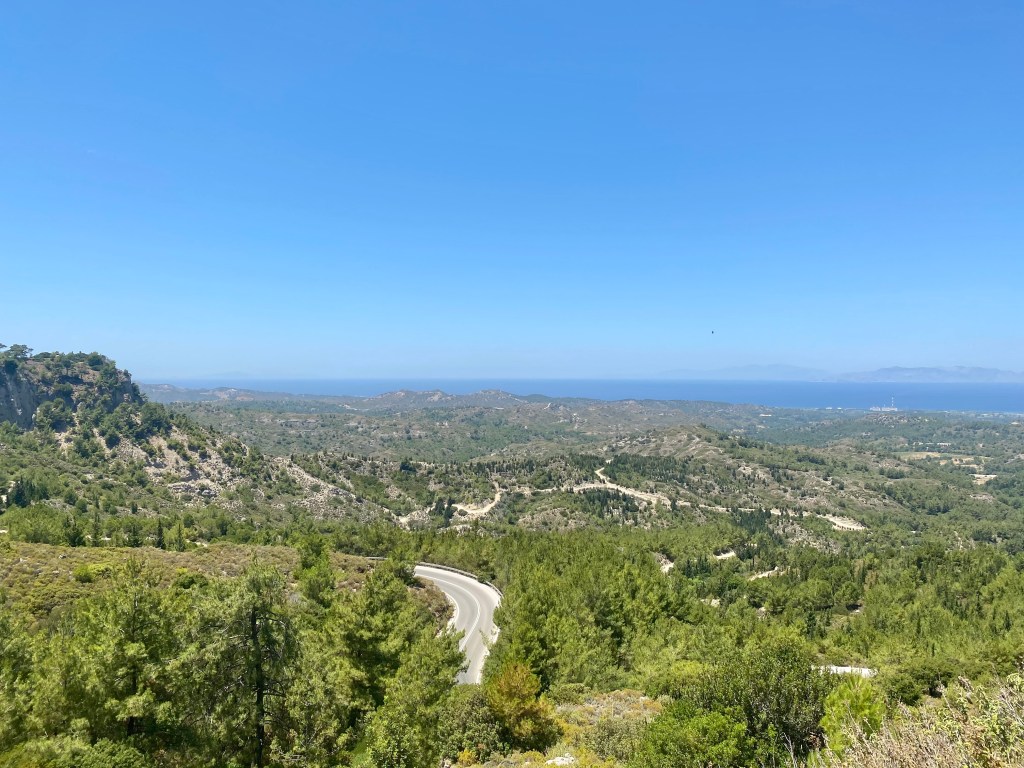
After five days in Rhodes Town, we moved on to Pefkos – about half way down the east coast – to a small hotel which had been recommended to us. The drive from Rhodes town was enlightening as it showed Rhodes to be much more self-sufficient than the previous islands. It was obvious it had an economy which wasn’t only propagated by tourism, and there was much more to it. The landscape, both topography and flora, was reminiscent of a cross between California and Krabi. It was more lush with pines and palms and all the roads were lined with blooming pink Nerium in spite of a temperature which was nearing 40c.
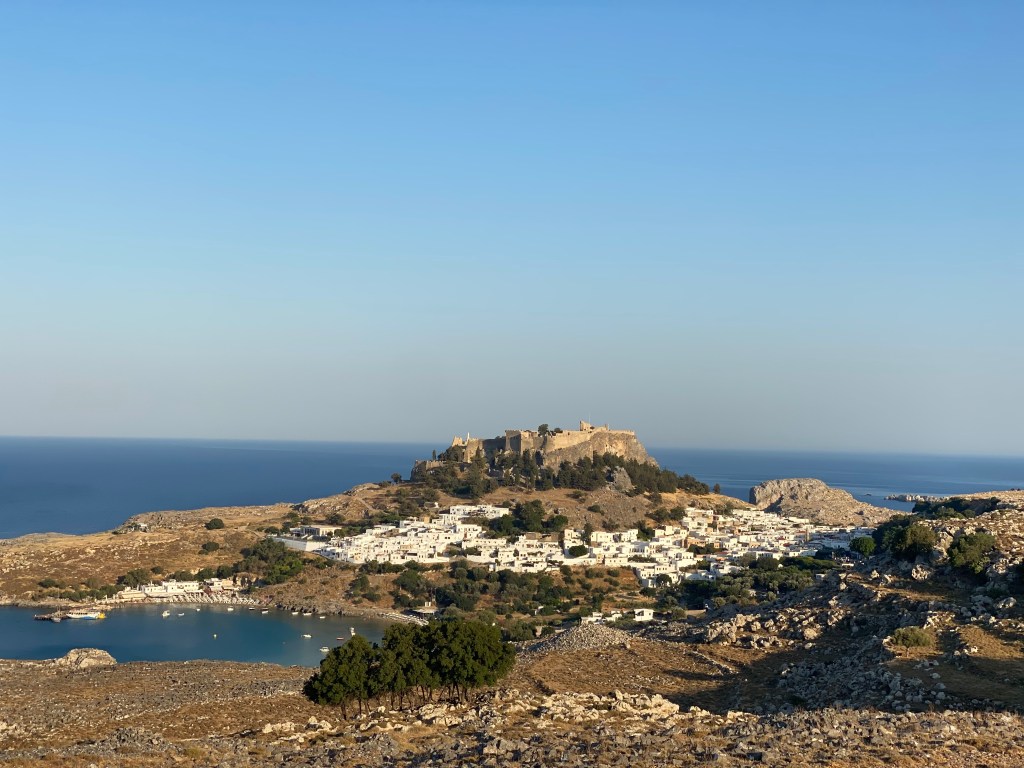
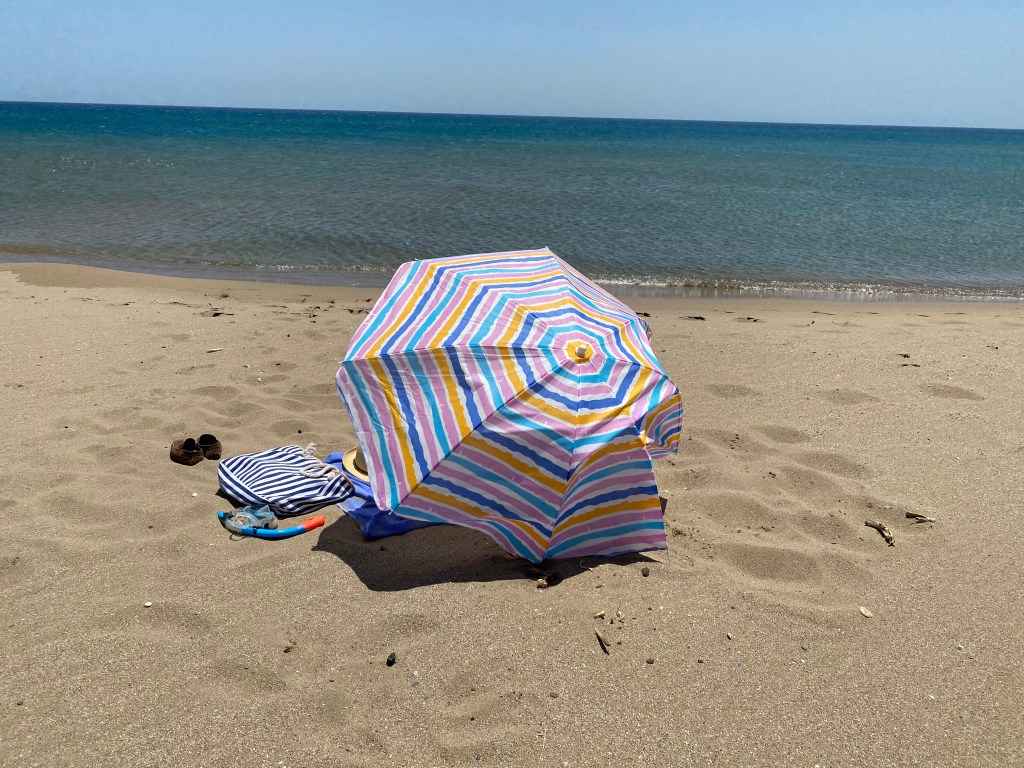
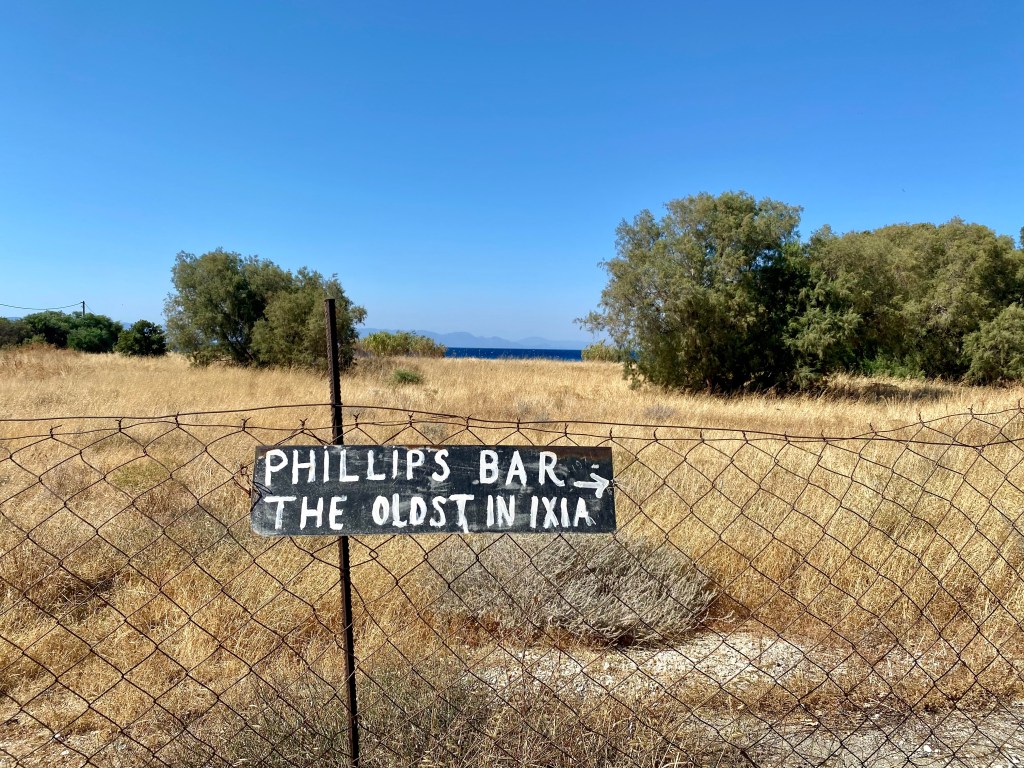
Pefkos is just south of Lindos which is an extremely photogenic town. It has the one of the other larger Acropolis in Greece, an amphitheater and a wonderful bay, St. Paul’s, which has its own beach where one can pitch up for an afternoon swim after exploring the town’s steep streets. Being halfway down the island also meant we had the opportunity to explore some of the southern, less-visited beaches. Both Prasonisiou – a wind-surfer’s paradise – and Mavros Kavos were pretty special and at the latter I found a parasol while snorkelling in about fifteen feet of water (I initially thought it was a huge jellyfish, so was relieved on multiple counts to establish it was a parasol) which was very useful given the beach was completely uninhabited (no pay-to-play sunbeds and parasols), but incredibly hot – we were later informed the temperature on Rhodes had peaked at 43c.
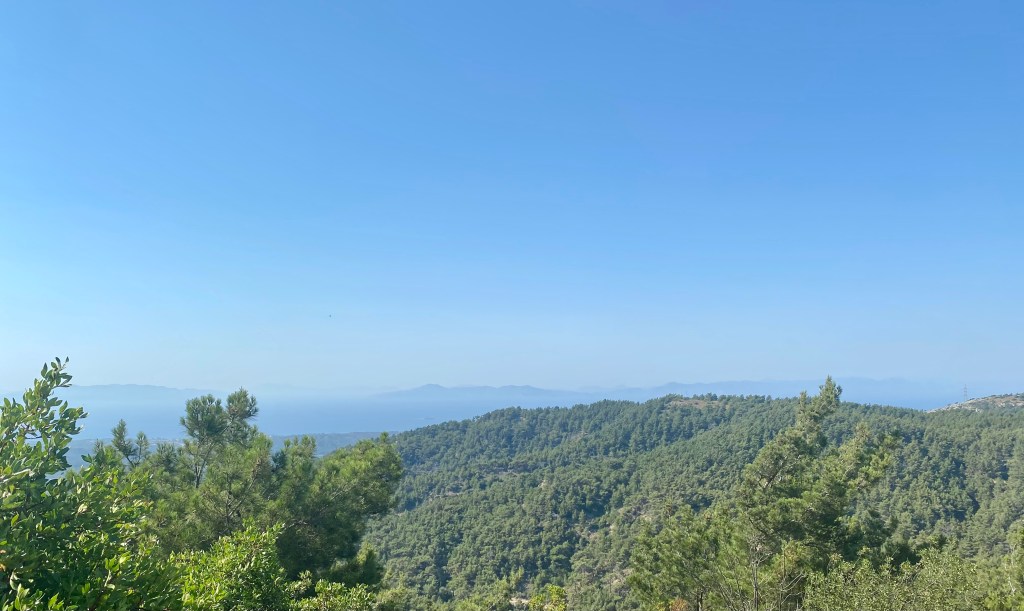
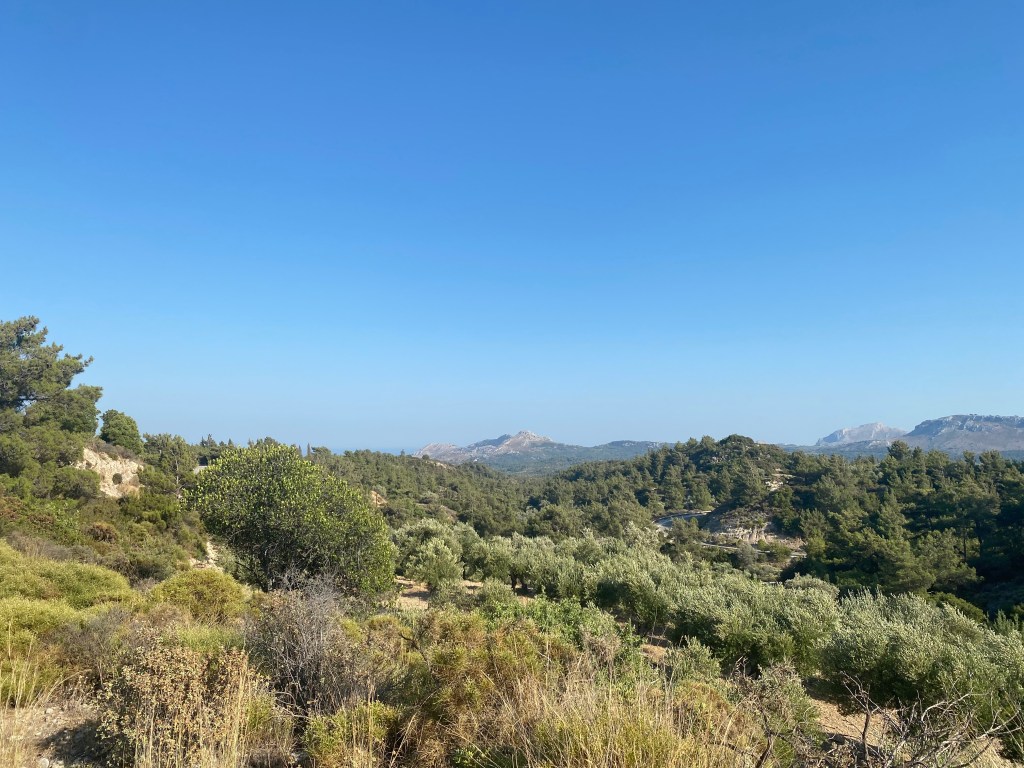
After six days in Lindos and Pefkos, we moved to over to the windier westside of the island to a town called Ialysos, not far south of Rhodes town, which took us through some of inland Rhodes. During our drive from east to west Rhodes took on a whole new identity, its inland towns and landscapes being far more interesting than we thought they might be. The small towns had an almost alpine feel to them and the landscapes kept switching, reminding us of places in the world we had driven through, all of which many thousands of miles away. The hour or so’s drive ended up being a whole day, and it was well worth it. Nb. We have since found out one of the three towns we visited, Psinthos, was recently evacuated due to forest fires which hadn’t, at the time of writing, reached the others, Eliousa or Archipoli.
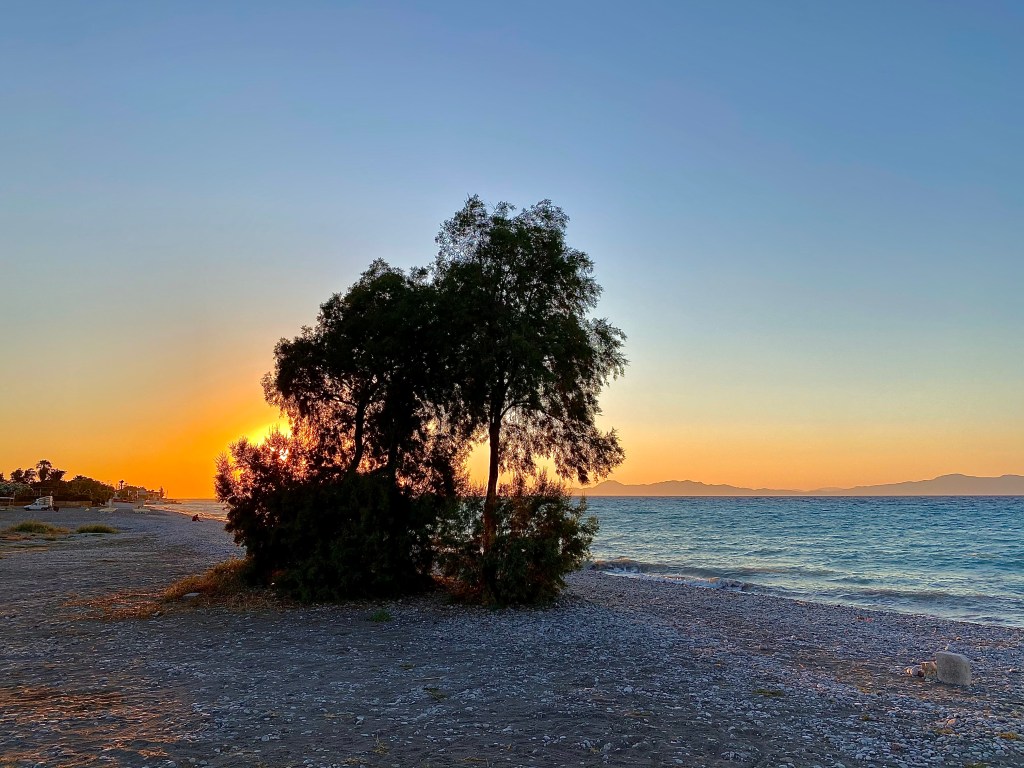
Our stay on the west side of Rhodes was fairly uneventful as we had spent most of the previous week driving and exploring. Being on the westside of the island, it did give us some wonderful sunsets to watch and photograph. It also coincided with the England quarter and semi-finals against Ukraine and Denmark which, rather predictably, set us up for a humdinger against the Italians – although I did find myself being admonished by a bar full of Danes after our extra time penalty was awarded (much to my delight).
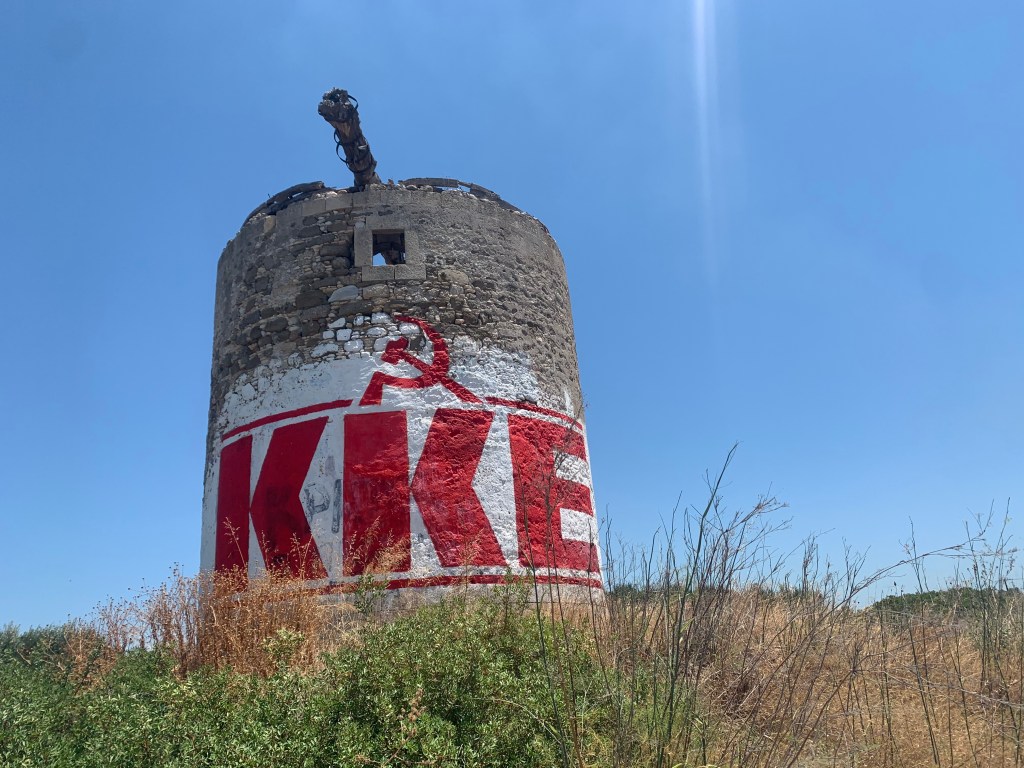
Karpathos: 8th July – 18th July
Knowing we wanted to visit Crete, both to check out another island we had never visited and for its international transport links (fingers crossed Sicily would become our next stop after Crete), we thought breaking up the journey to visit somewhere much less known to the British tourist on the way would be fun. Not knowing much, if anything, about Karpathos, it was something of a gamble. But like most of the less well-known islands in Greece, there seemed little to lose and everything to gain by going to explore an island between two of Greece’s best-known islands (Rhodes and Crete), and so we did.
Having enjoyed by the views of passing islands from previous ferry trips, we opted to catch up on lost sleep on the Rhodes to Karpathos ferry which meant, mid-slumber, we thought we had missed our stop when we pulled away from Karpathos. Thankfully, there were two stops on Karpathos, one in the north – in a small port town called Diafani where we would later stay – and Pigadia, otherwise known as Karpathos Town, the main town and port. During the walk from the port to our hotel, it was evident it was less touristy than many of our previous stops and there was a large local presence at the coffee shops and bars.

Pigadia was as similarly unpretentious as many of Rhodes’ towns, proffering genuine charm rather than painted pavements and trinket shops. The tourist element, so we understood it speaking to restaurateurs and hoteliers, was mainly Dutch, Swedish and Austrian – countries from which one could fly directly to from and from Karpathos – so were pleased our being English didn’t seem to he held against us even if we were the only two supporting England, out of several dozen, in the Euros final (although losing on penalties was a bitter pill to swallow). The disappointment of losing was diluted to some extent by our amusement at the horror and disbelief on the faces of everyone else watching the pre and post-match melees both inside and outside of Wembley Stadium. Even the Swedish, who had not been locked down, could not believe what was going on in London.
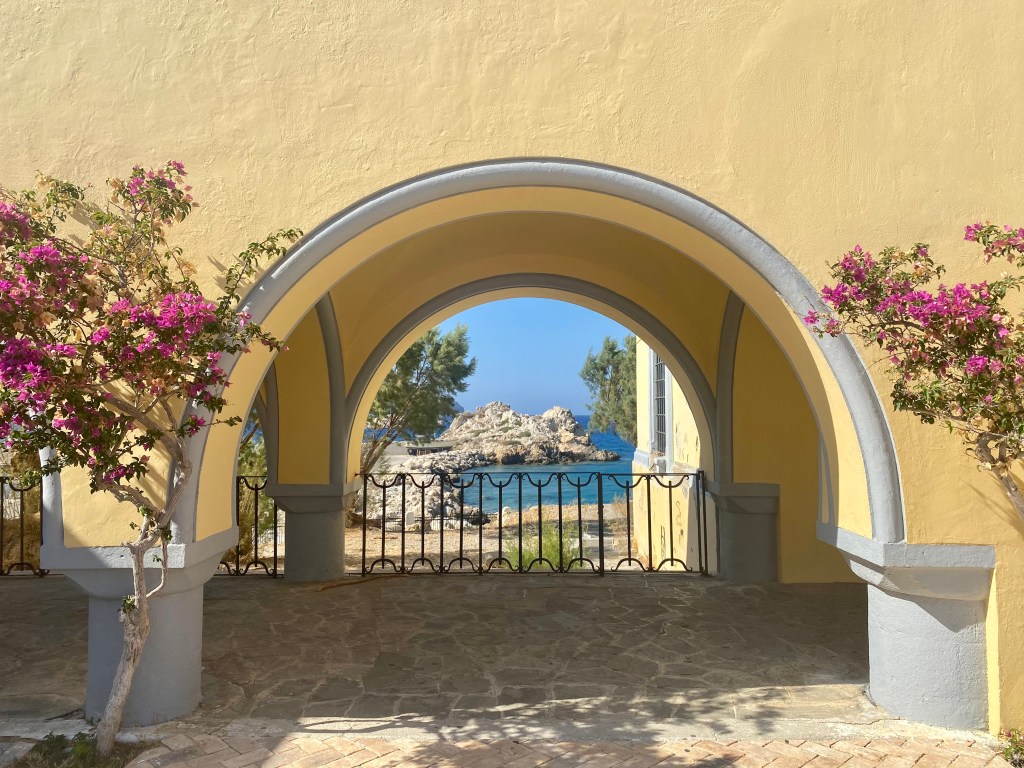
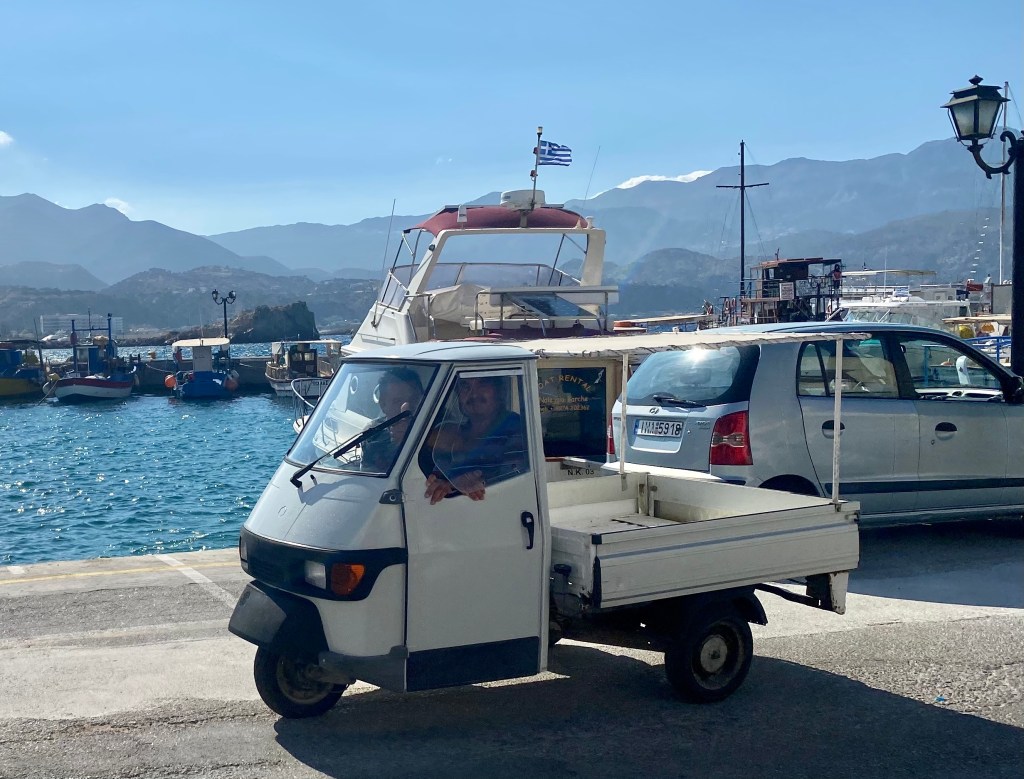
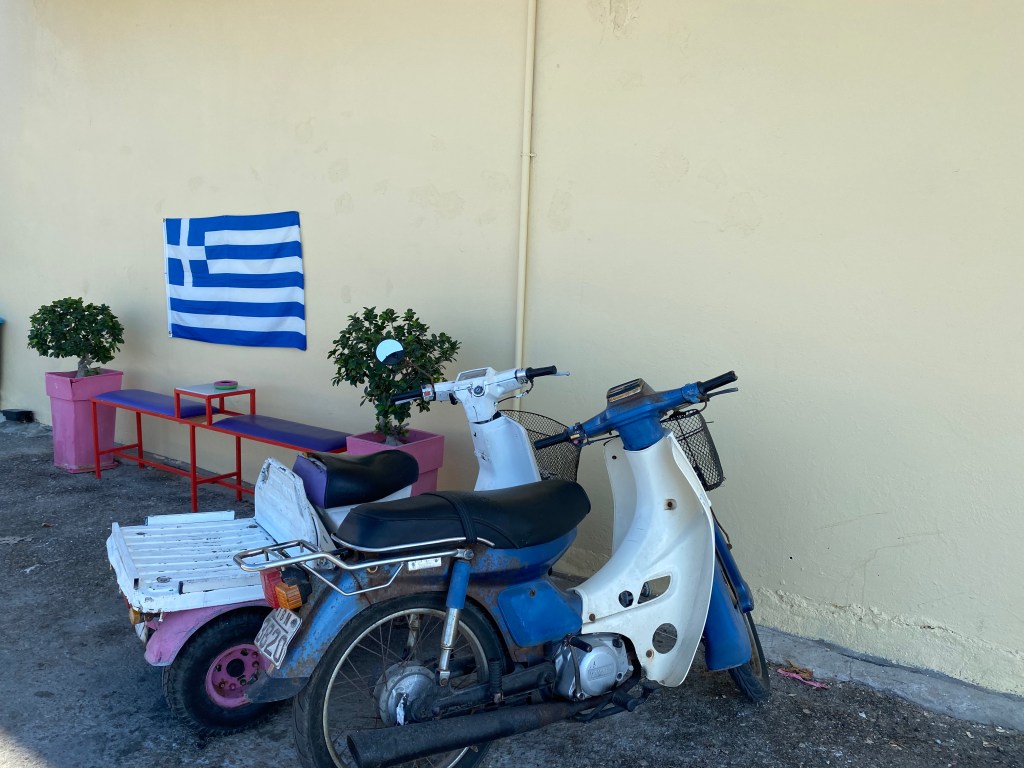
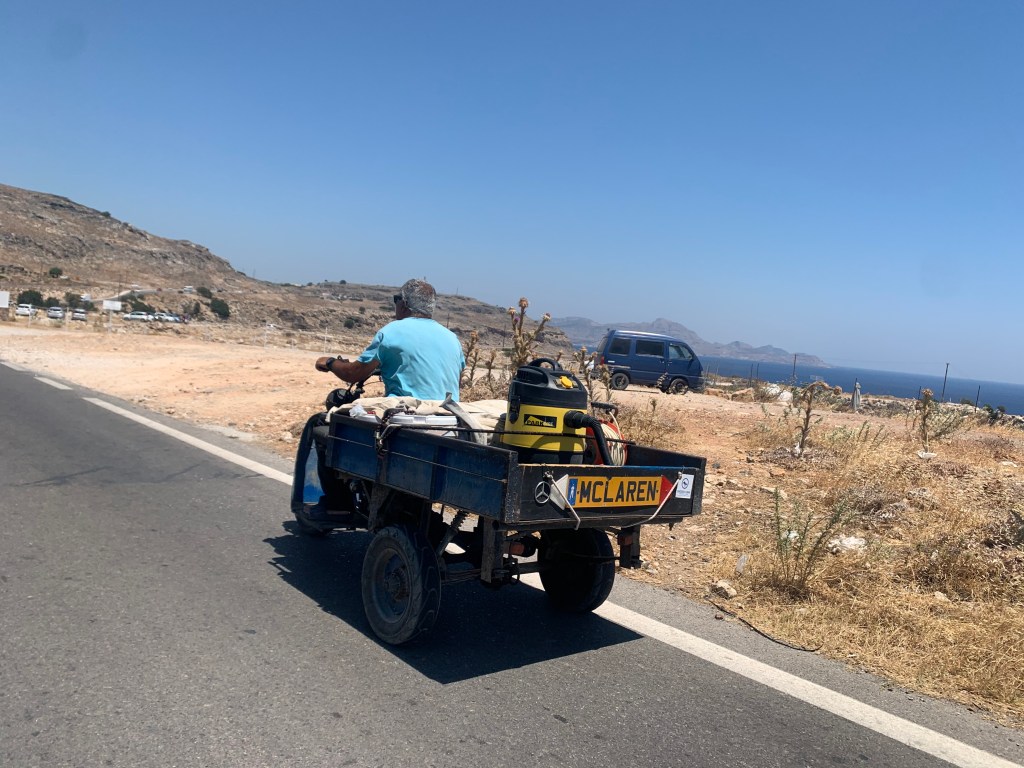
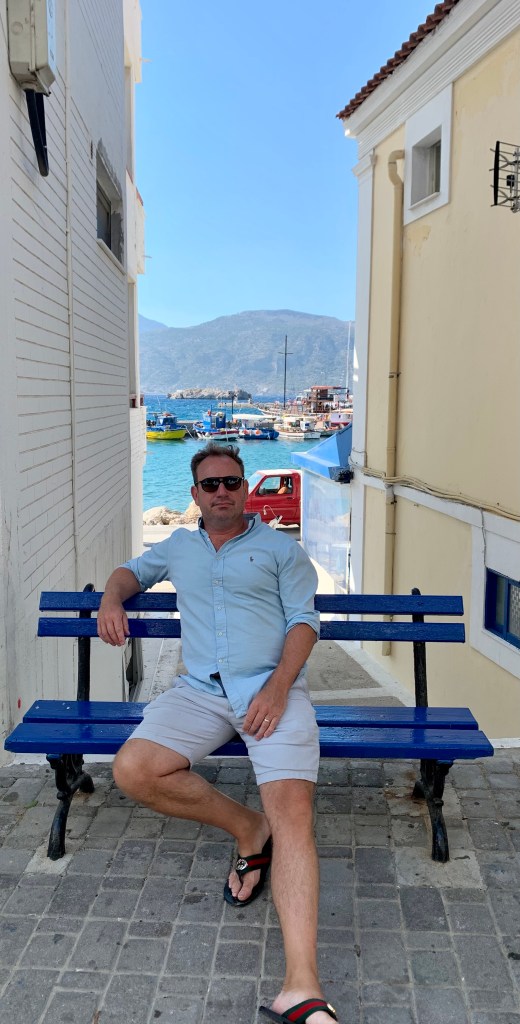
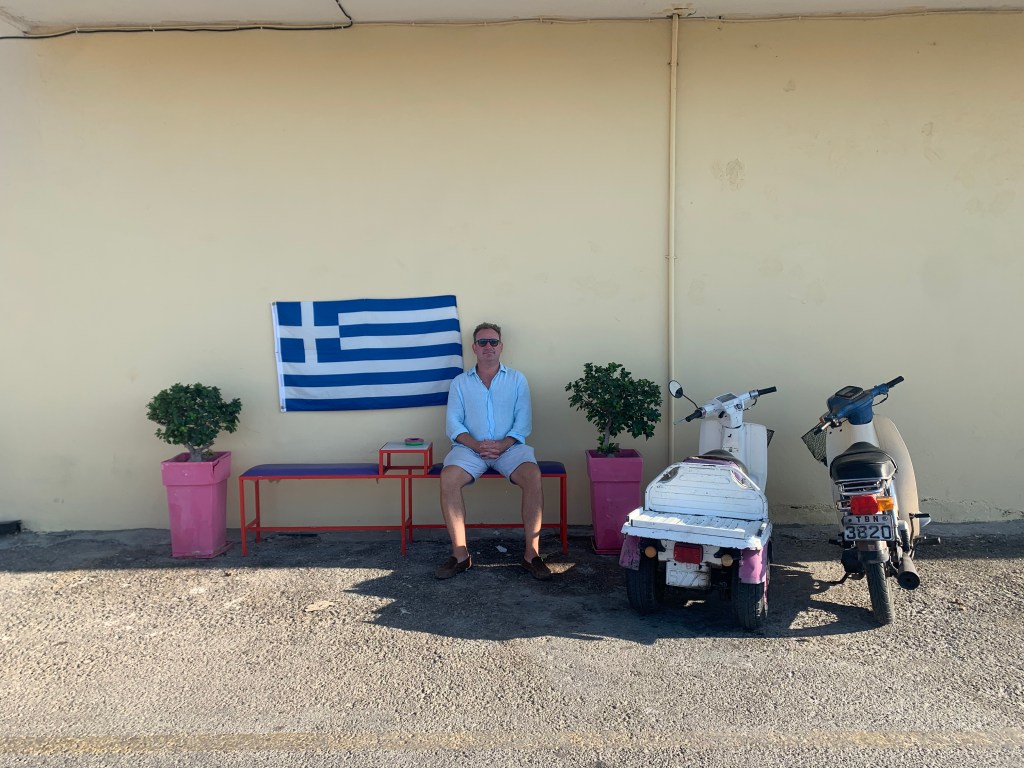
The Town Hall’s view (top left), various local means of transport – yes, there are two fully-grown men in that little three-wheeler, the Trotteros brothers (sorry) – and me on shady benches.
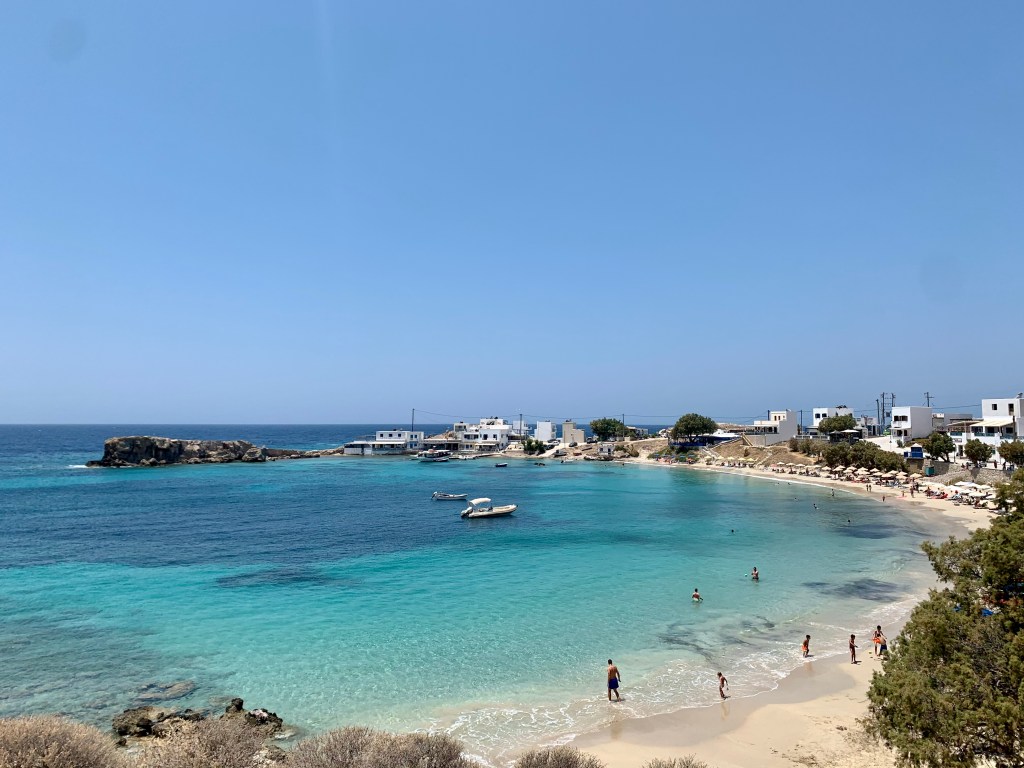
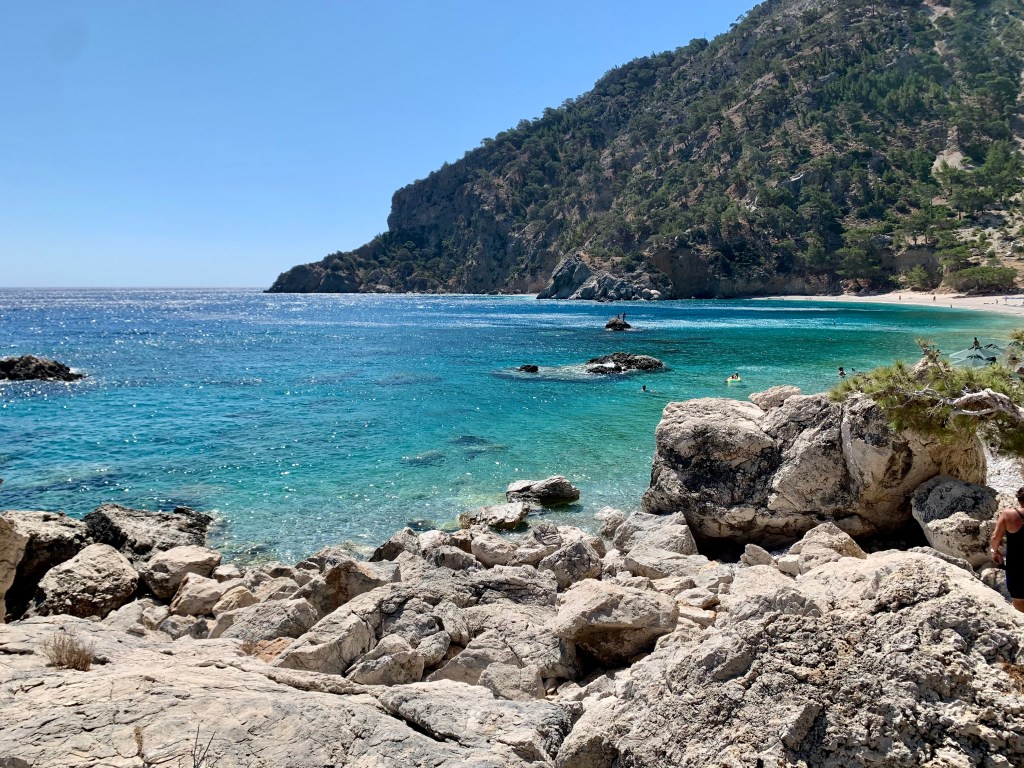
Like many other Greek islands, Karpathos – we found out – is famed for its beaches (and hiking trails, although it was a little hot for walks over large mountains). However, unlike some other islands, they were further apart and treacherous to get to as the island is long and thin – c. 30 miles in length – with peaks reaching some 3,600 feet in the middle which makes for some spectacular scenery and some equally terrifying driving escapades. The layout is not dissimilar to Great Britain: much of the action is in the south east, the best beaches are on the west or south west coasts and the north is more sparsely populated but with some outstanding photo-fodder. The roads, whilst being newly paved (at least relative to other island roads we have driven along in Greece), were partially single-track, while being two-way, littered with fallen rock on the inside of the mountain and with a sheer, unbroken drop of varying heights, but certainly several hundred feet at a minimum on the other side.

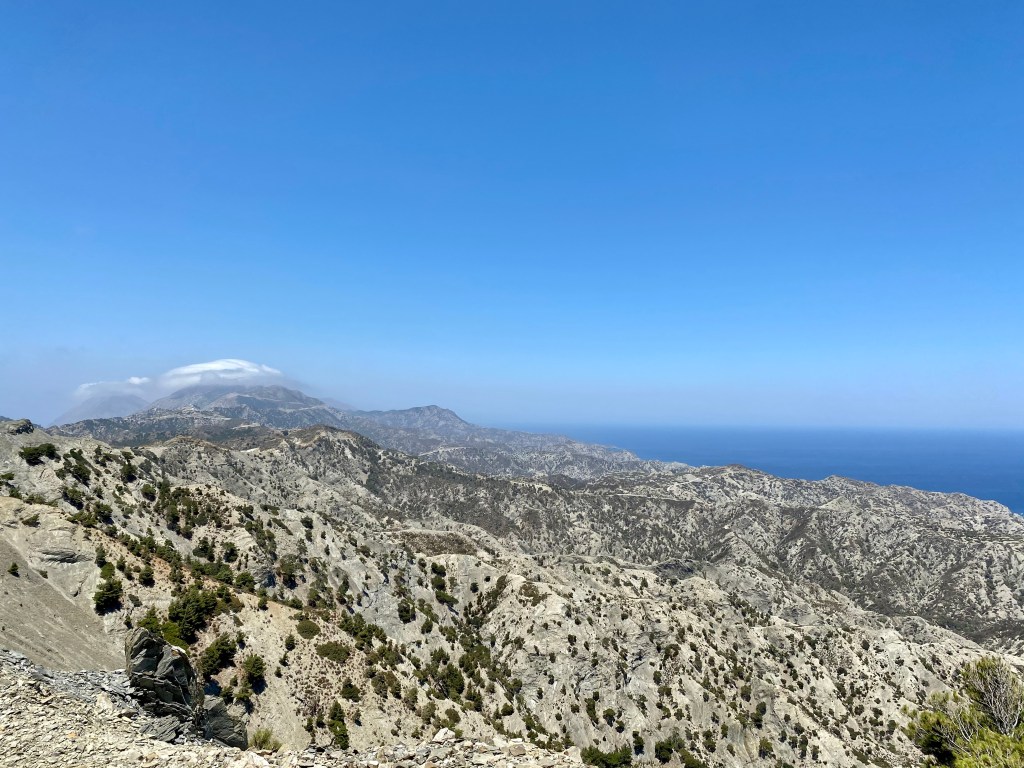
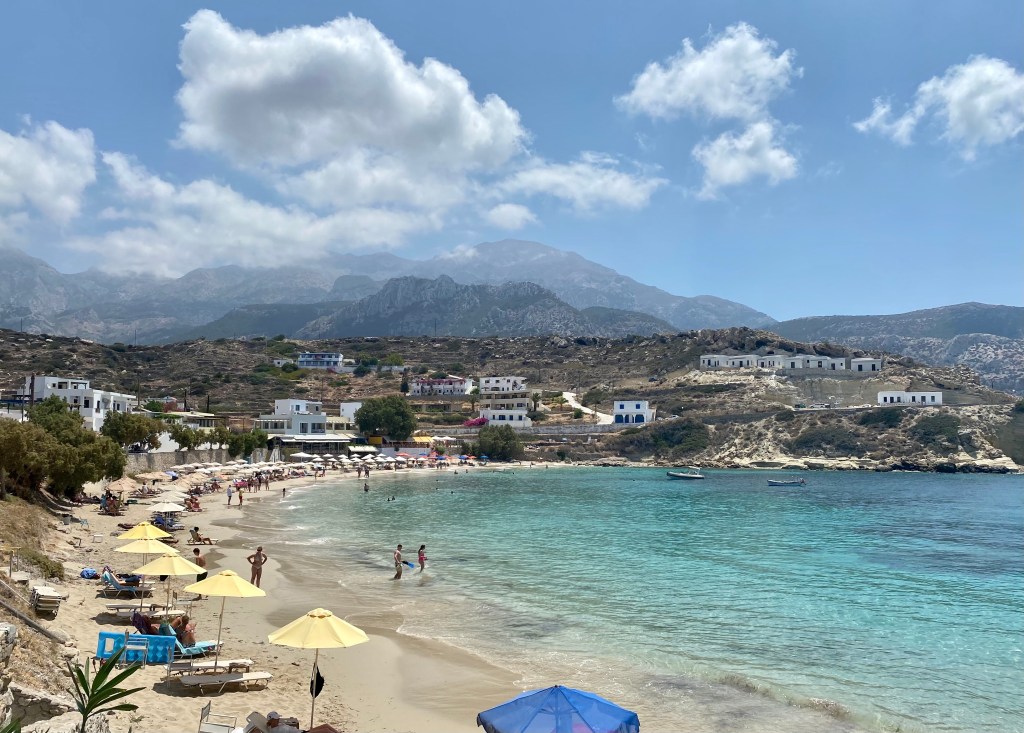
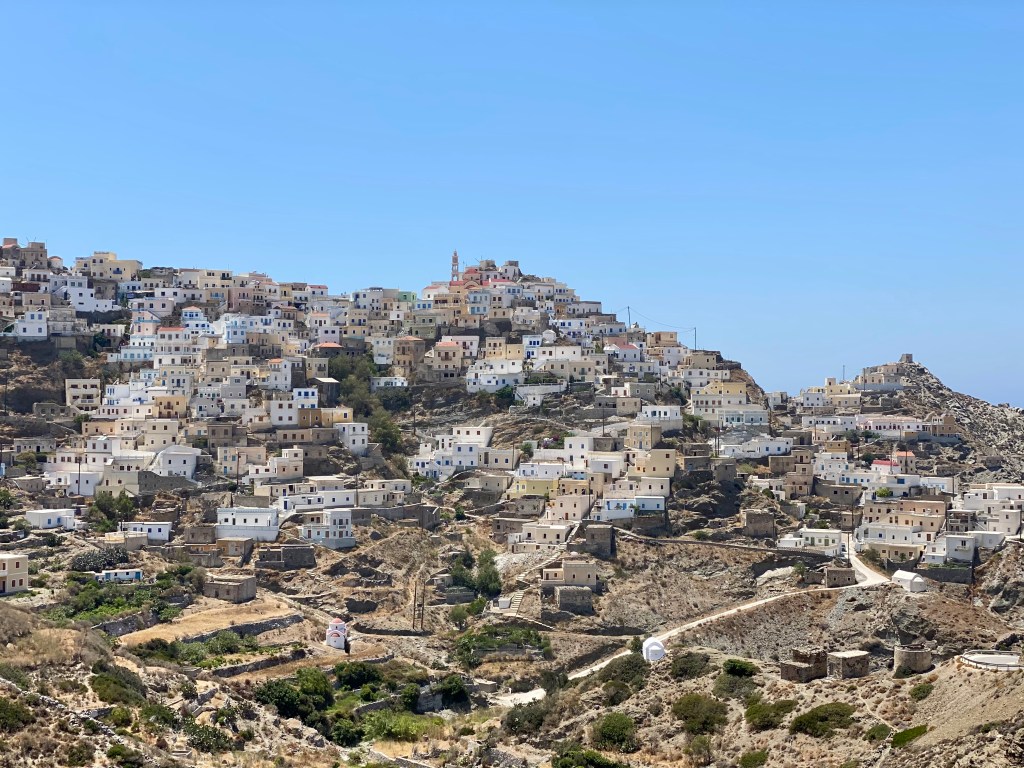
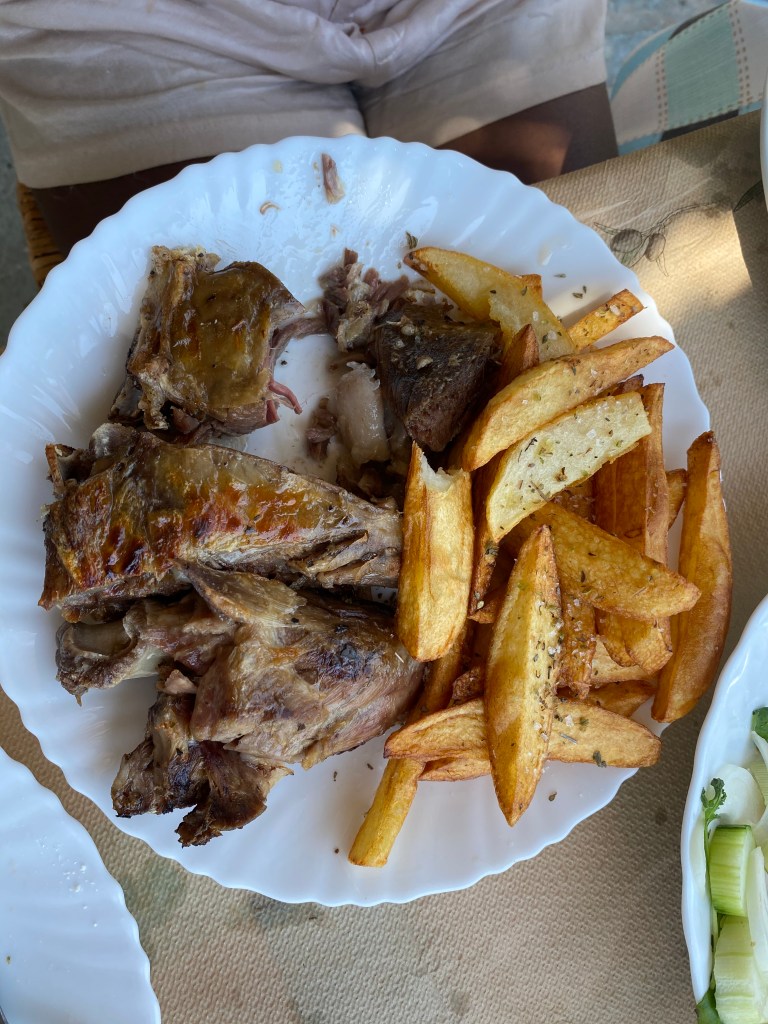
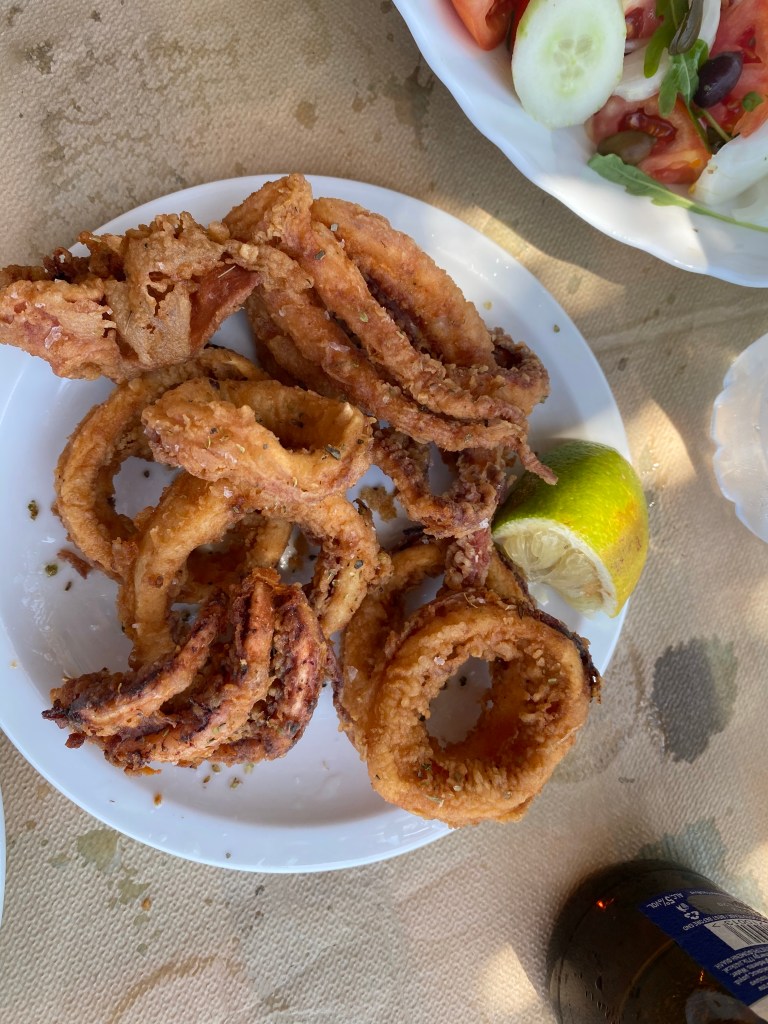
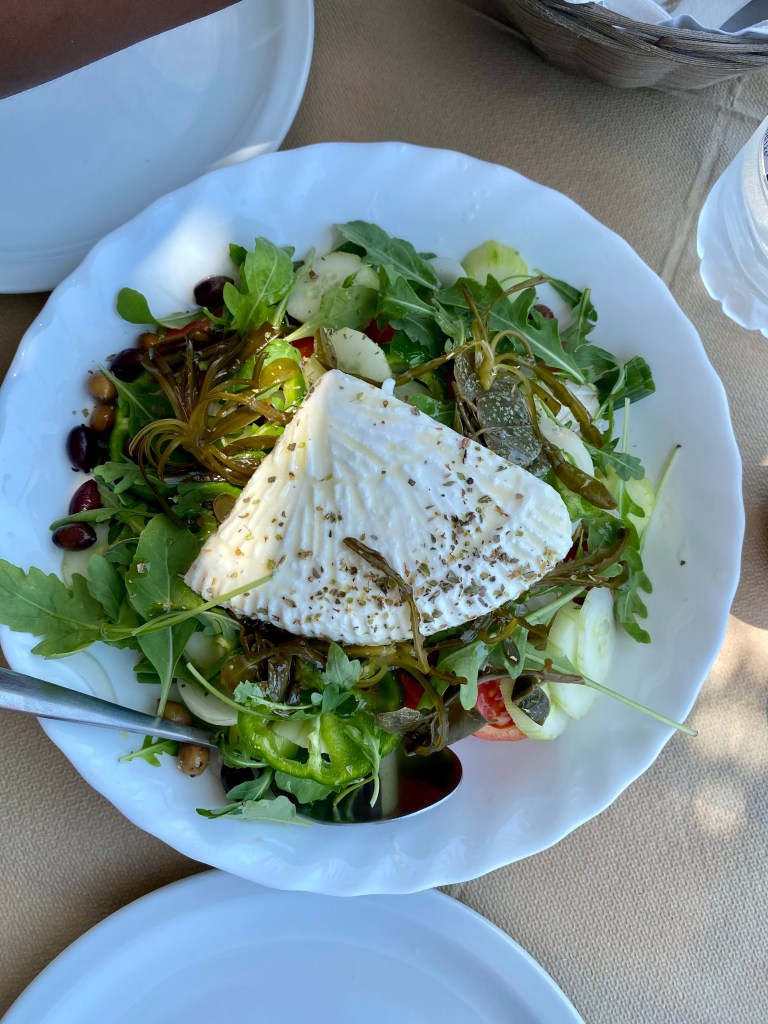
Driving (carefully) around Karpathos we visited Olympos, a lovely hilltop town, Diafani, this time knowingly and by road, and Lefkos, a tiny but bustling seaside village, which mightn’t stay a village for long as it becomes better known. We also stopped at a tavena where we had one of our best – or certainly most authentic – and windiest meals in Greece at Taverna Evdoxias (I promised myself I would try and avoid the ubiquitous internet ‘food porn’ but this meal is a notable exception) where we enjoyed genuinely fresh calamari, makarounes (a boiled pasta with fried onion – not very photogenic, but tasty), Greek salad with seaweed, and stewed mountain goat. This meal was tied with that we had on our last night on Karpathos at Taverna Anixi in Diafani for our finest meals on Karpathos (and both would feature in our top five in Greece as a whole).
For the first time since Christmas Day, 2015, I did some scuba diving. I had been told the visibility in the Mediterranean was amongst the best in the world and didn’t want to miss my chance. The first couple of dives were fairly easy-going: no deeper than 50 feet, leisurely and basically reacquainting myself with being underwater for 40 minutes at a time. The following day, Greece’s answer to GI Joe turned up (ex-Greek Special Forces), was nominated as my dive partner and consequently the dives were significantly less easy-going. We dived to 100 feet on the first dive and, whilst the dive was wonderful, it was also pretty challenging and psyching myself up to go back in the water for the second dive was a struggle – but all worth it with the benefit of hindsight. I did wonder whether Covid might scupper the scuba industry, but mercifully it all seemed to go without a hiccup (or persistent cough).
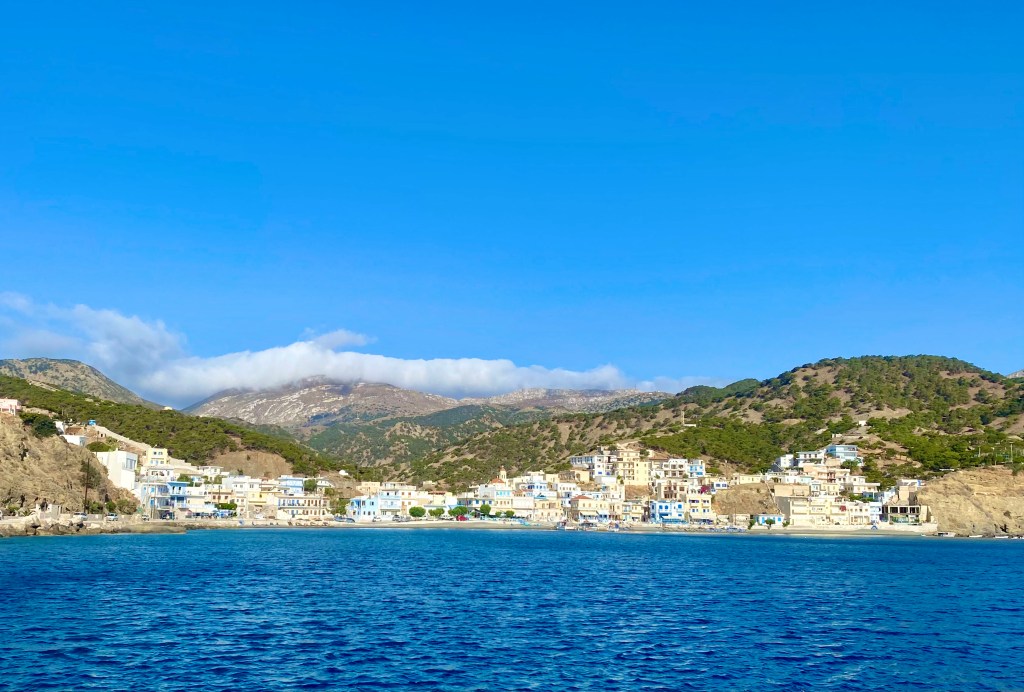
Crete: 18th July to 29th July
Breaking up the journey to Crete from Rhodes turned out to be an inspired idea. Not only did we visit Karpathos, probably our (joint) favourite island so far, but we also avoided another tortuously long ferry journey. The first hour of the journey also afforded us the opportunity to take some pictures of Karpathos from the ferry. Seeing distant cars driving along the road we have traversed a few days before instilled an appreciation of the engineering brilliance that building and maintaining such a road entailed.
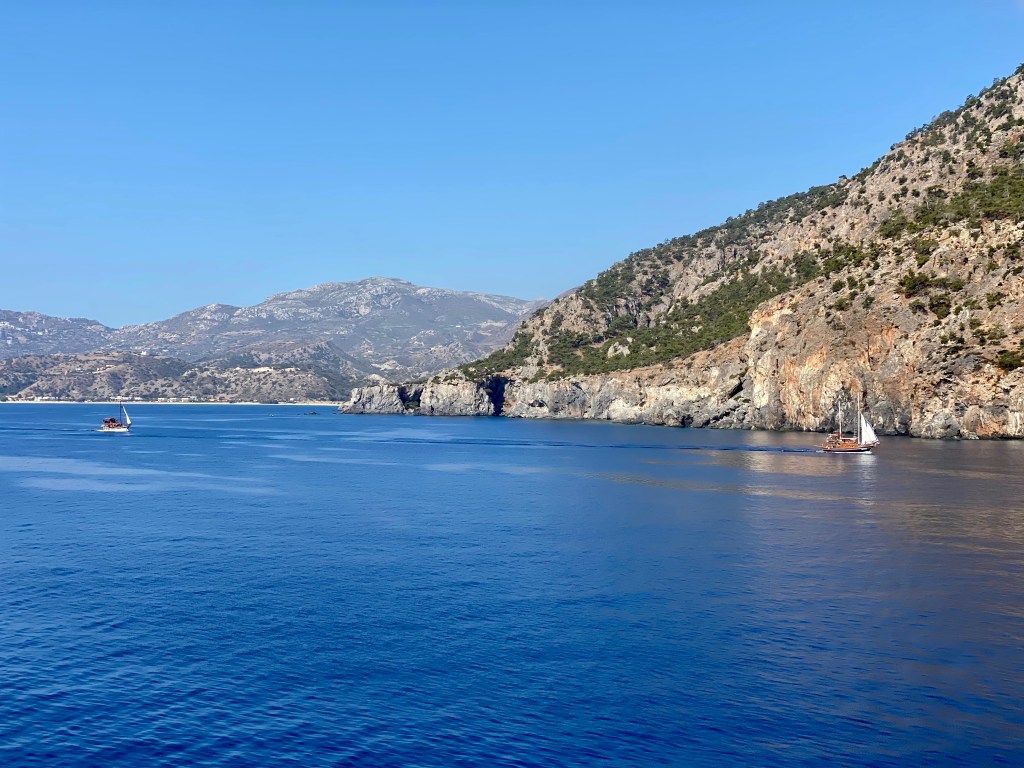
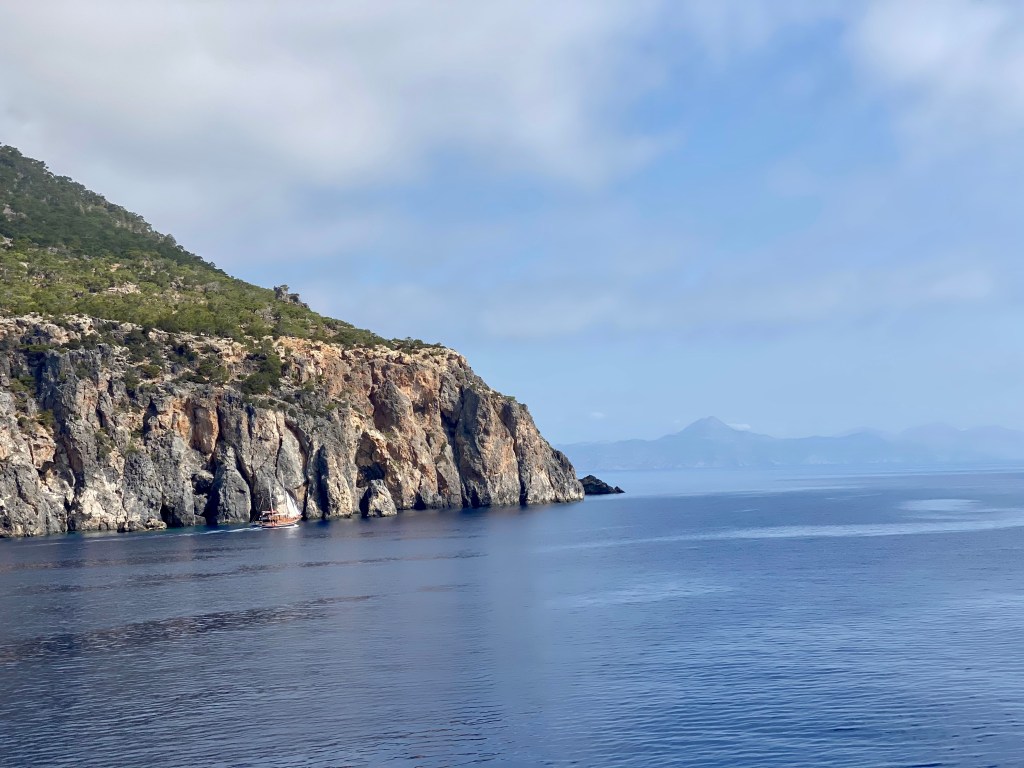
The welcome to Crete was an interesting one: as we sailed around the headland in to Sitia, a huge frigate sat in the middle of the bay. We wondered whether it was a Greek vessel or if this was the latest chapter in the ever more draconian measures HM Government were employing to stop people holidaying in countries with a far lower Covid count than that of the UK. Fortunately for us, it turned out to be the former and we docked without any real hassle.
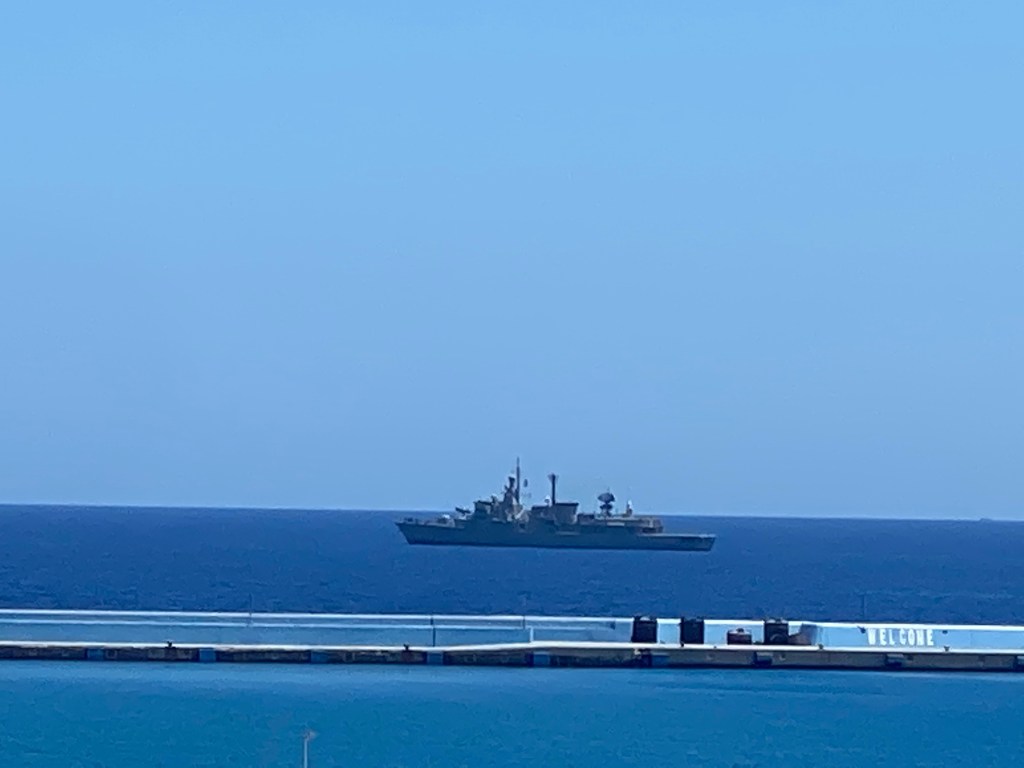
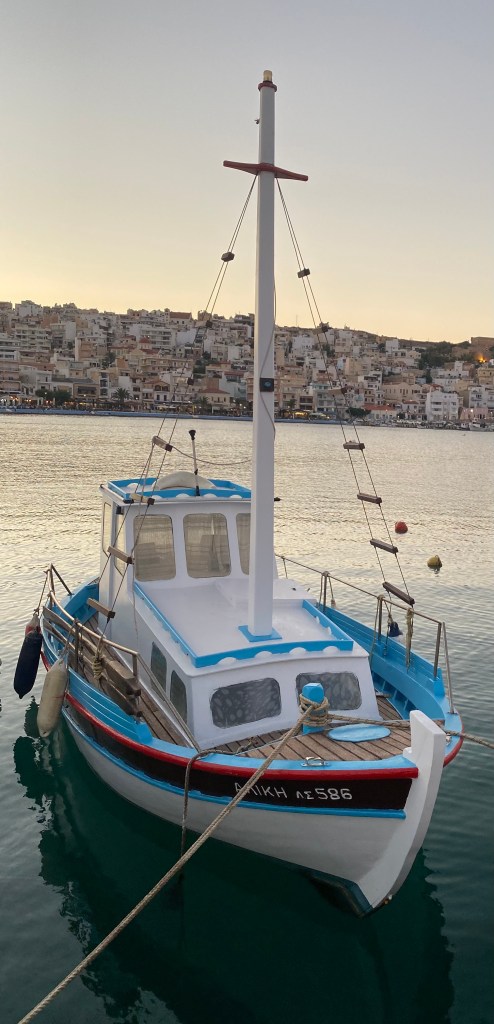
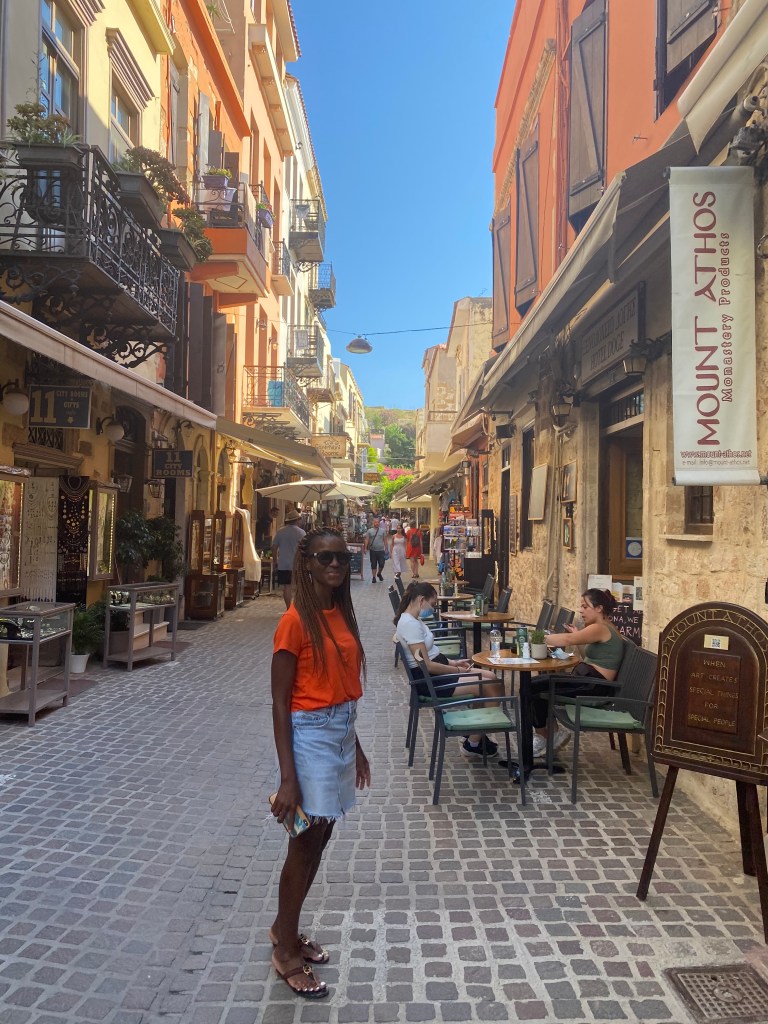
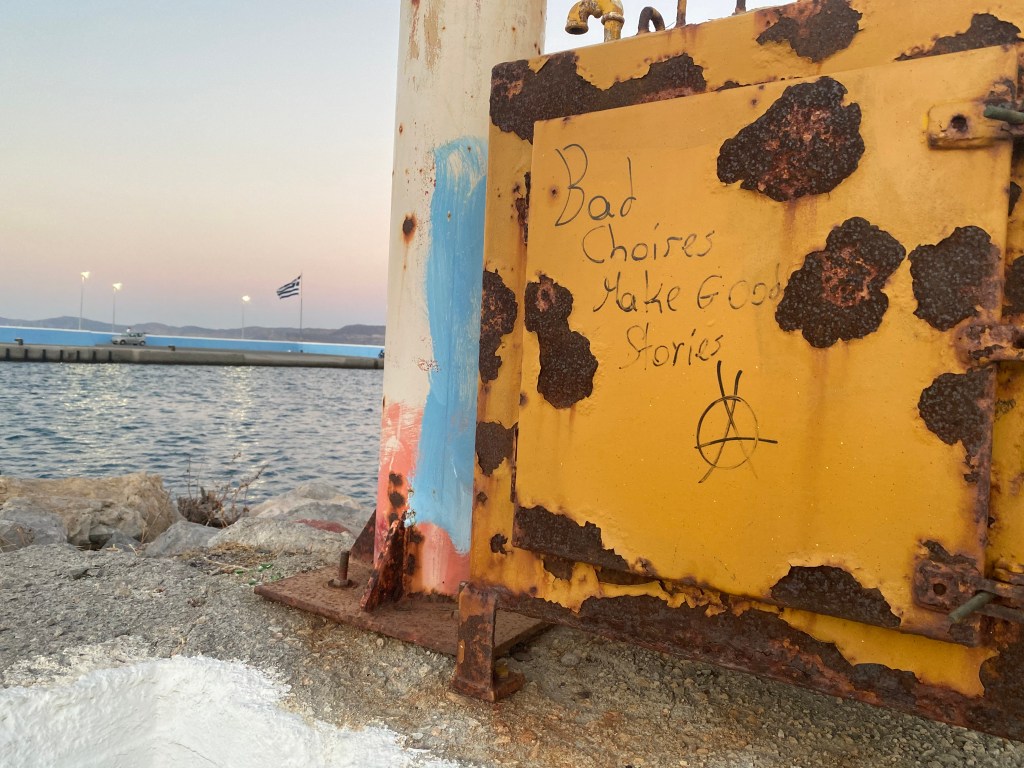
We had a couple of days in Sitia to find our feet before moving on to Chania. Sitia was quite a small port town with a lovely beach adjacent to the port with the usual bars and restaurants along the promenade – and the frigate which remained in the middle of the bay for the duration of our stay. The drive to Chania was our longest yet in Greece, c. 200 miles, and aside from the quite dramatic landscape of Crete – valleys, gorges and mountains – was most memorable because of the lunch we had at a remote taverna on the south coast (we decided to take the scenic route rather than the motorway which joins the main northern cities) which was ambushed by some local sheep farmers who were insistent we joined them for salted chopped cucumber and raki – we adjudged they had finished work for the day by the amount of raki they were sloshing back. Given we were only a third of the way in to the five-hour drive, and had only had a light breakfast, this was something of a baptism of fire for our guts and also meant my usual beer with lunch had to be abandoned – my superego took over – so the next hour of the journey was spent with burning chests which was pretty unrelaxing given, for the first time, we had a geared car – not automatic – on the most mountainous island we were to visit.
As the drive moved inland, the roads became more enjoyable again and as the burning sensation in our chests abated we hit a never-ending olive grove which went on for well over an hour and, apart from mountains and the odd town or village, it was olive trees as far as they eyes could see in all directions. We likened it to a driving through the vineyards of Burgundy, although significantly less organised and with a significantly less valuable crop.
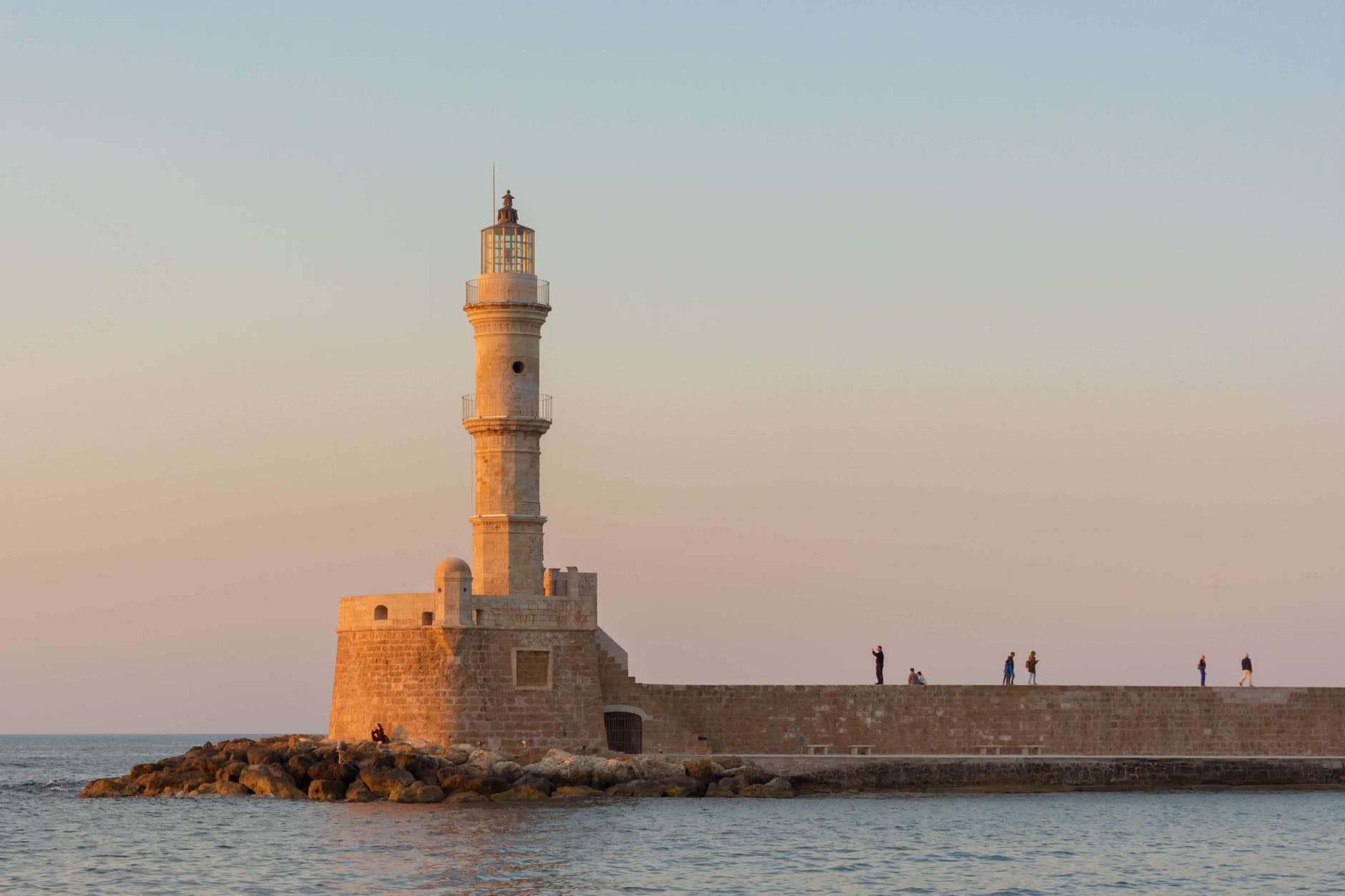
During our five-day stay in the west of Crete, we spent a couple of evenings in Chania itself. It is a lovely town with intricate and intimate roads and alleyways strewn with cafes, restaurants, art galleries and independent clothes shops – not a fridge magnet in sight. Chania has a historically Venetian influence, so the lighthouse, harbour and many of the buildings in which overlook the harbour have the characteristic tall, slim windows and small, ornate balconies where locals and tourists alike sit in the evening sun with an espresso or something a little stronger.
We managed two full-day excursions from Chania: one to Elafonisi beach, one of the most beautiful beaches we’d ever seen (and it was utterly packed, we even met some US squaddies drinking Corona from their beach chairs), and the other to Preveli beach which was at the end of Kourtaliotiko Gorge which, whilst freezing when compared to the Med, was absolutely stunning and well worth the hairy drive through the mountains.
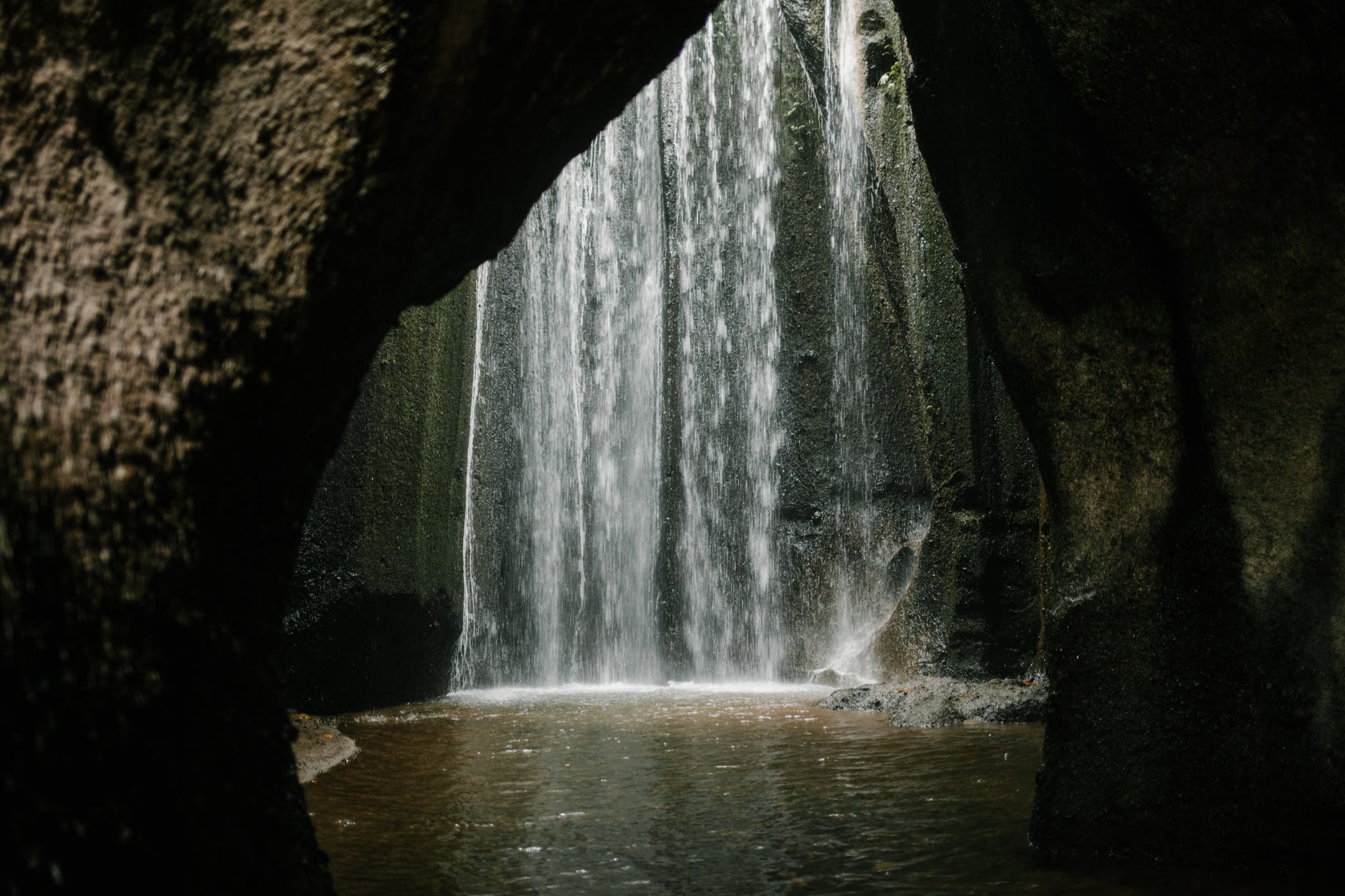
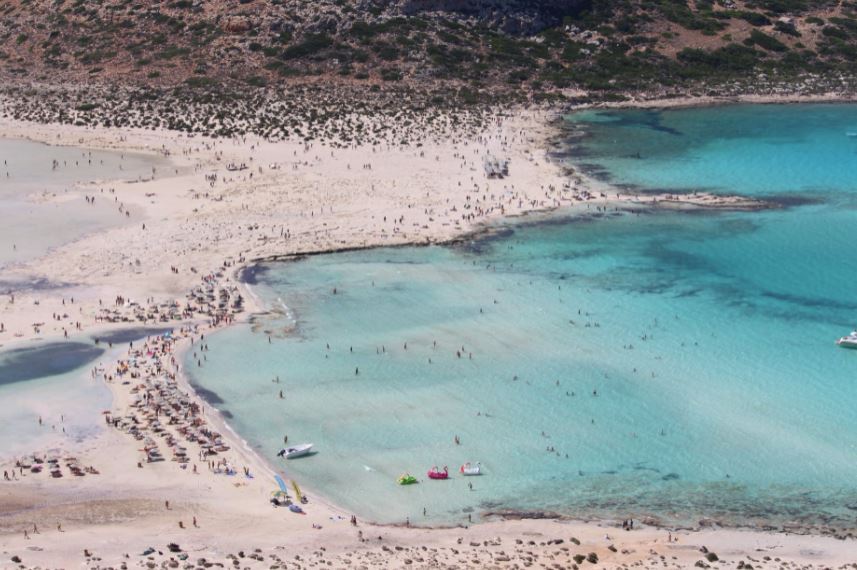
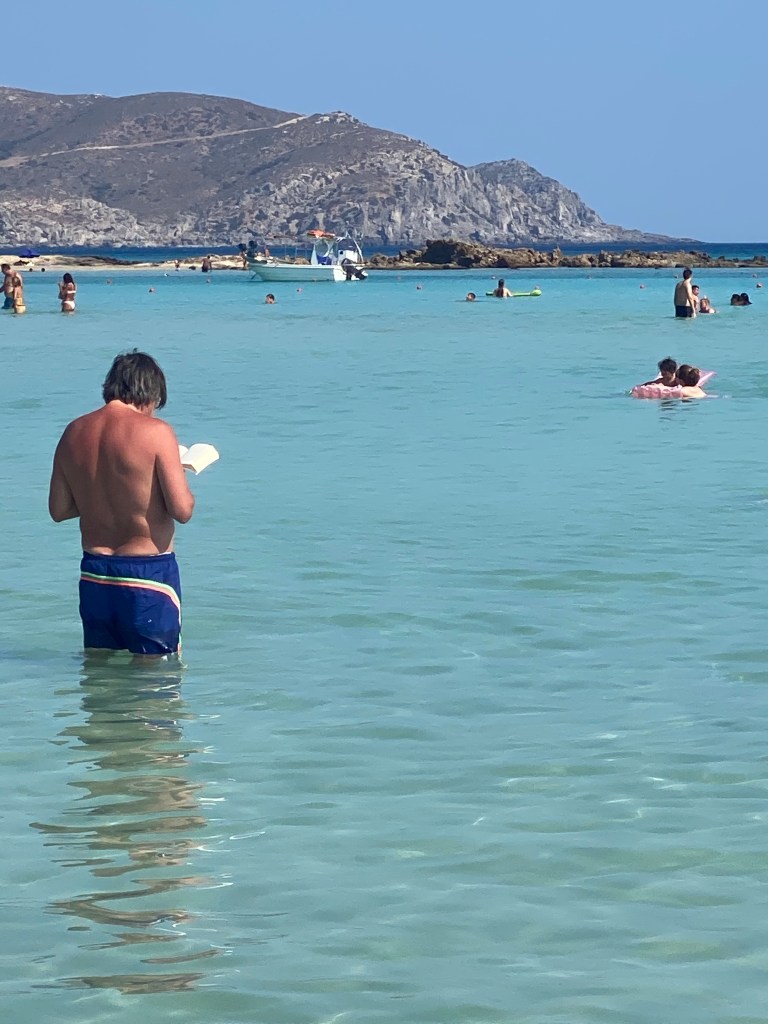
We met our first ‘Freedom Day’ English tourists in Chania who were holidaying with their daughter and appeared relaxed and relieved they were on holiday for the first time since summer 2019 after what they said had been a lousy June and July back in Blighty.
Our last few days on Crete were spent in it’s main city, Heraklion, which were fairly uneventful. We booked an exquisite apartment in the centre of the city with the intention of maximising our last few days in Greece, but we didn’t quite click with the place so enjoyed catching up on emails, blogs and generally staying Covid-free before the (fairly) chaotic trip to Catania, which I will update you on in the next chapter of the blog in the few weeks’ time.
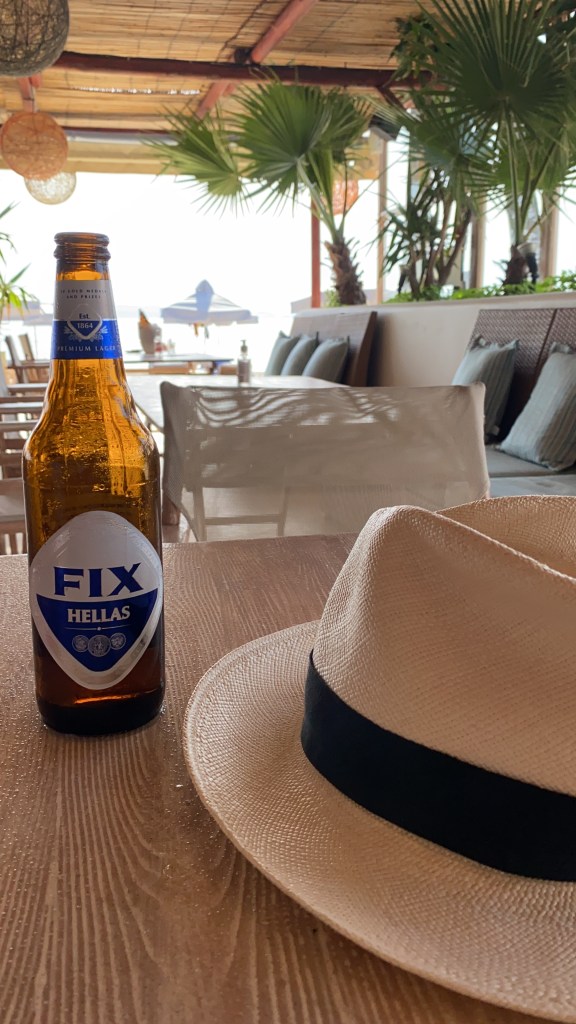
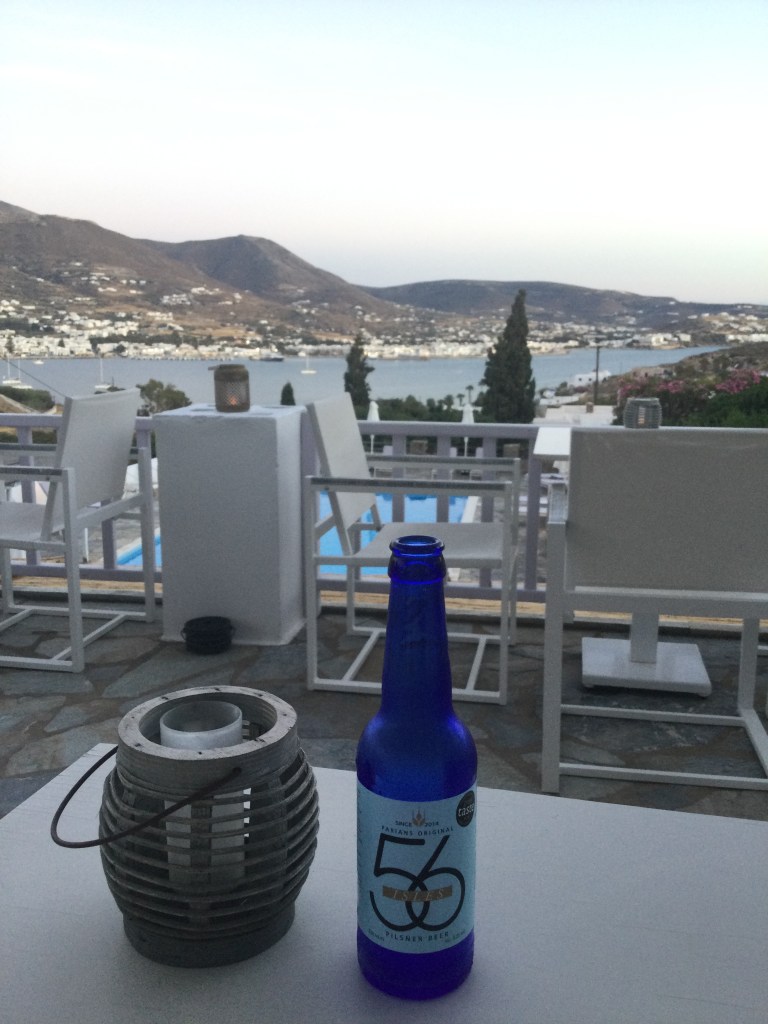
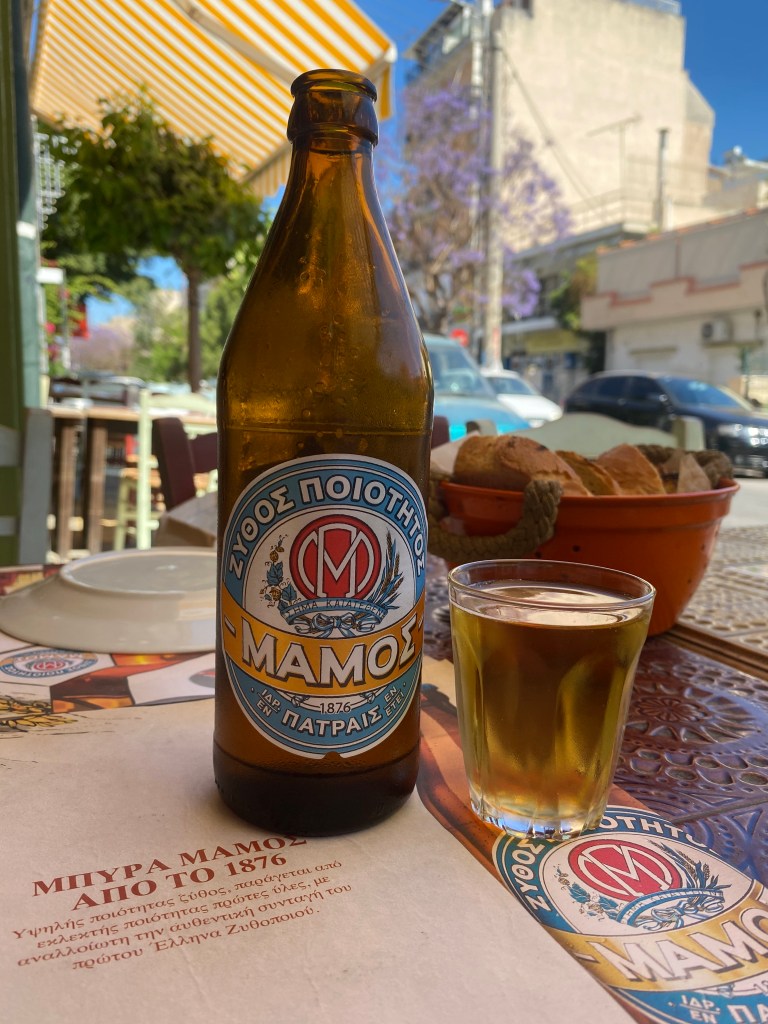
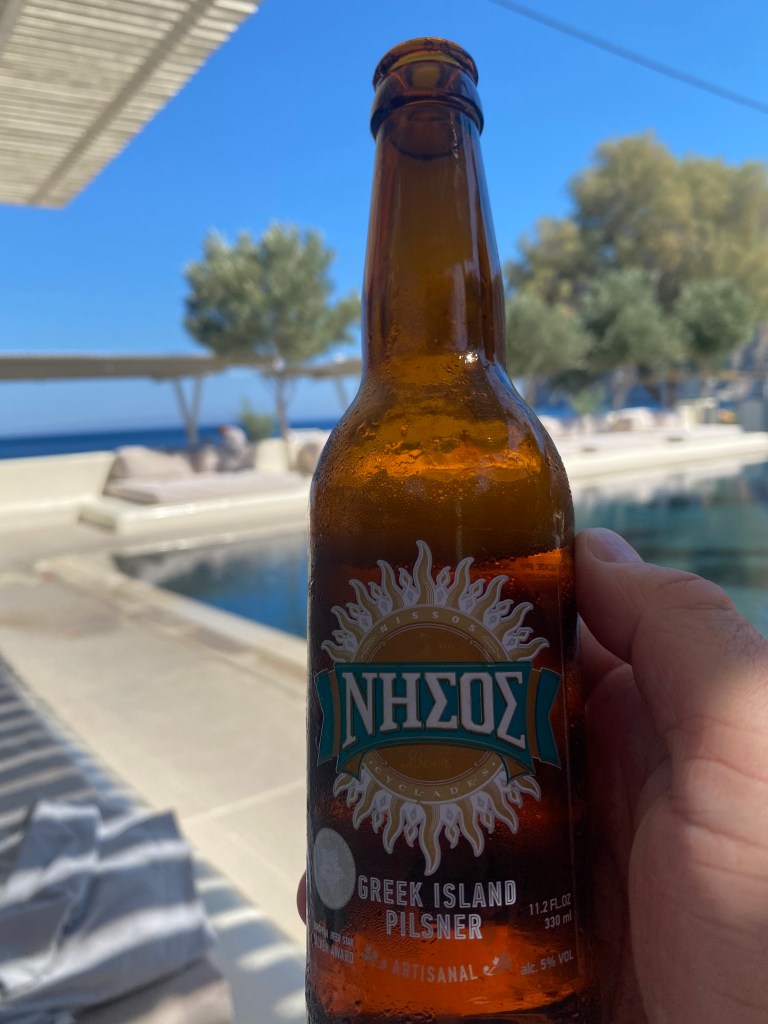
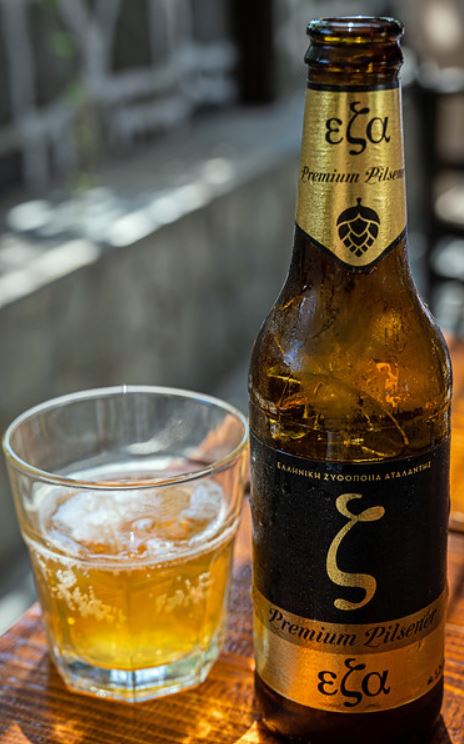
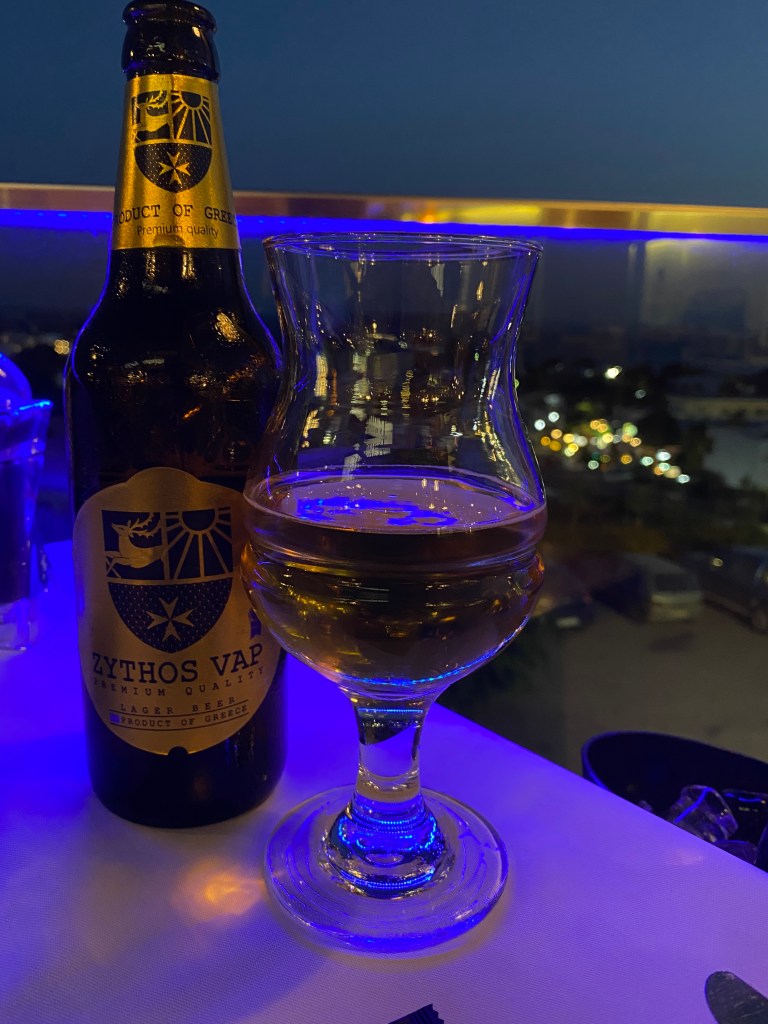
Some lesser known beers of Greece
Greek lager, or at least my knowledge of it, has always been somewhat limited. Prior to this trip I had only encountered Mythos and Alpha, either in Greece during previous visits or late-night sojourns to London kebab shops where another beer seemed like a good idea (at the time). So I was delighted to realise what an ignoramus I had been, particularly in more recent visits to Greece, as local lagers were readily available, much tastier than their more famous counterparts and all with their individual tastes, nuances and varying potencies.
Probably my favourite were the Donkey beers on Santorini, some of which were pretty punchy, and here are one or two of the others I enjoyed:
 offthegridforabit.com