

Casablanca: 18th – 21st August
We arrived in Casablanca at approximately 5am following our departure from Catania some three hours earlier. Flying is rarely stress free, but in the middle of the night and from one continent to another was an experience we thought would be best avoided again if at all possible. Disappointingly we were about half an hour too early to land at sunrise, so we touched down in the dark with little indication of what Morocco looked like from the air. I had looked at how far west we had flown from Sicily and, having been just off the coast of Turkey a few weeks prior (in Rhodes) we were now further west than we had been when we set off from London in May which almost certainly accounted for the dawn darkness on our arrival.
We had heard lots about Morocco and had two options as to how to plan an itinerary. The first was to head down the coast. The second was to spend most or all of time inland. The option to do both was too overwhelming as the distances, mostly driving across desert, just looked too much to make a three-week stay enjoyable. We had enjoyed a decent stint on Mediterranean islands, so agreed a period away from the beach might be more culturally enriching, though we had been forewarned we would have to contend with a 9pm curfew throughout the country.
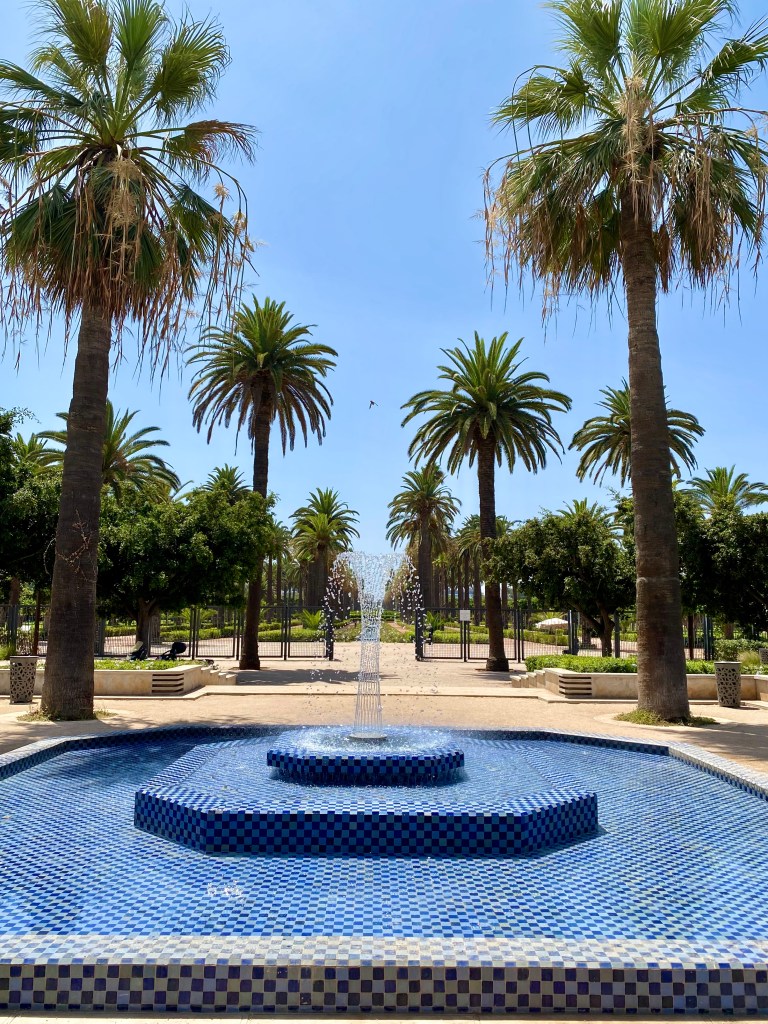
It’s always somewhat tricky to know where to start a trip around a country, and our decision to start in Casablanca was more borne out of pragmatism than a burning desire to see the city itself. In the three days there, I did not click with the place and just felt it lacked cohesion. It appeared more like a city of many suburbs – perhaps like a north African Los Angeles – than a city in and of itself. And we certainly did what we could to see it by walking upwards of ten miles a day for each of our days there.
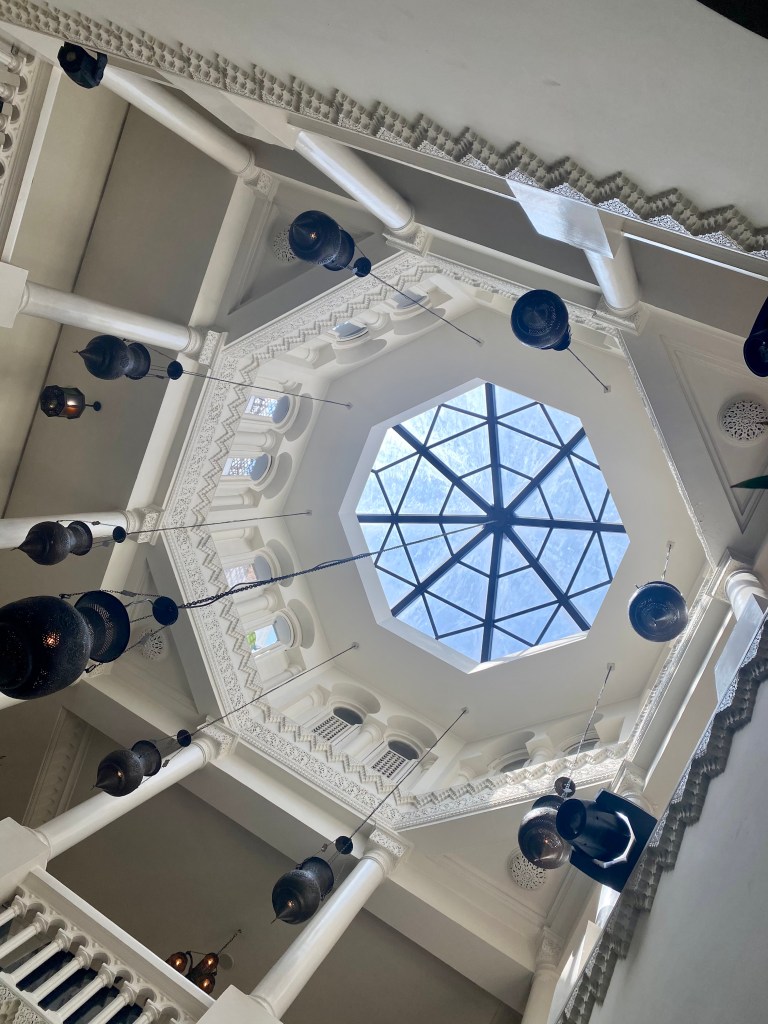
It was certainly pleasant to be somewhere which was not quite so hot and humid as it had been in Sicily which made for more pleasant conditions for long walks. It just did not feel that there was an awful lot to see and what there was to see was spread out and quite disparate. So, after having been as close to the imposing Hassan II Mosque as possible (it was closed due to Covid regulations), we looked up a few of the more touristy endeavours in Casablanca and made sure we saw the main Medina, tried our first of many tagines and had a Casablanca beer in Rick’s Café.
Marrakech: 21st – 29th August

During a conversation with a receptionist in our Casablanca hotel, we got severely spooked when he explained travelling between some of the larger cities may be embargoed. This prompted us to take evasive action and book train tickets to Marrakech as soon as we could. Only a few hours later we were disembarking the train in Marrakech which looked more like the quintessential Morocco we were expecting: terracotta buildings, ornate architecture and avenues of bristling palm trees in unadulterated sunlight.
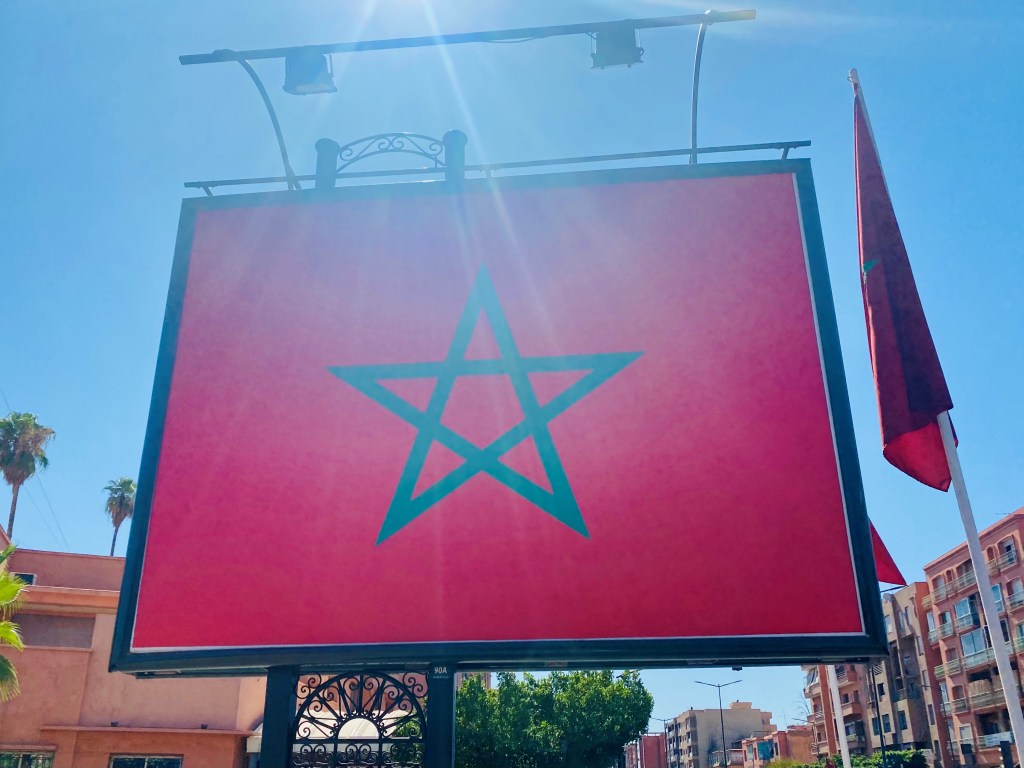
We had little idea of what to expect in Marrakech and so had booked ourselves in to a hotel nearby the train station just so we could decamp from the train, drop off our bags and head of in to town for a reconnoitre. Walking from the hotel to the Medina, the change of temperature became clear pretty quickly. It was about 2pm and c. 35c which compared to Casablanca was warm. However, compared to Italy, where we had been only a few days prior, it was not only cooler but far less humid which made for a warm but pleasant stroll. One of our initial observations of of Marrakech was the number of Moroccan flags! We had never seen so many national flags. On the ringroad around the outside of the Medina there were at least a dozen flags on any of the roundabouts and they lined most of the main feeder roads as they do The Mall in London on ceremonial occasions.
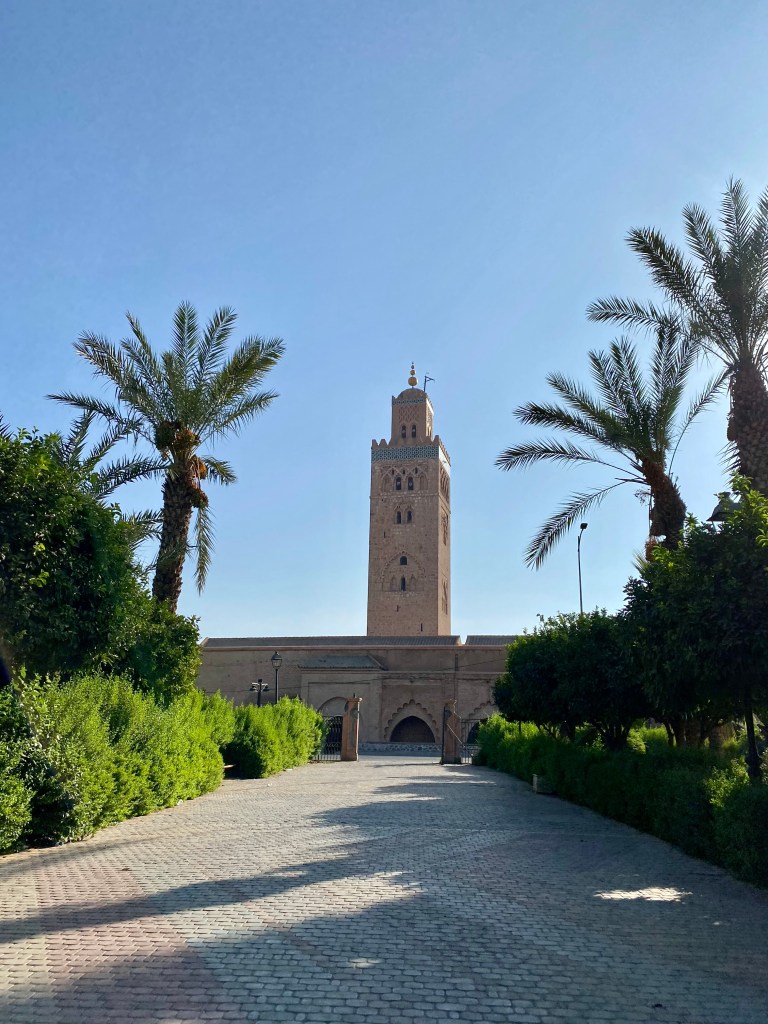
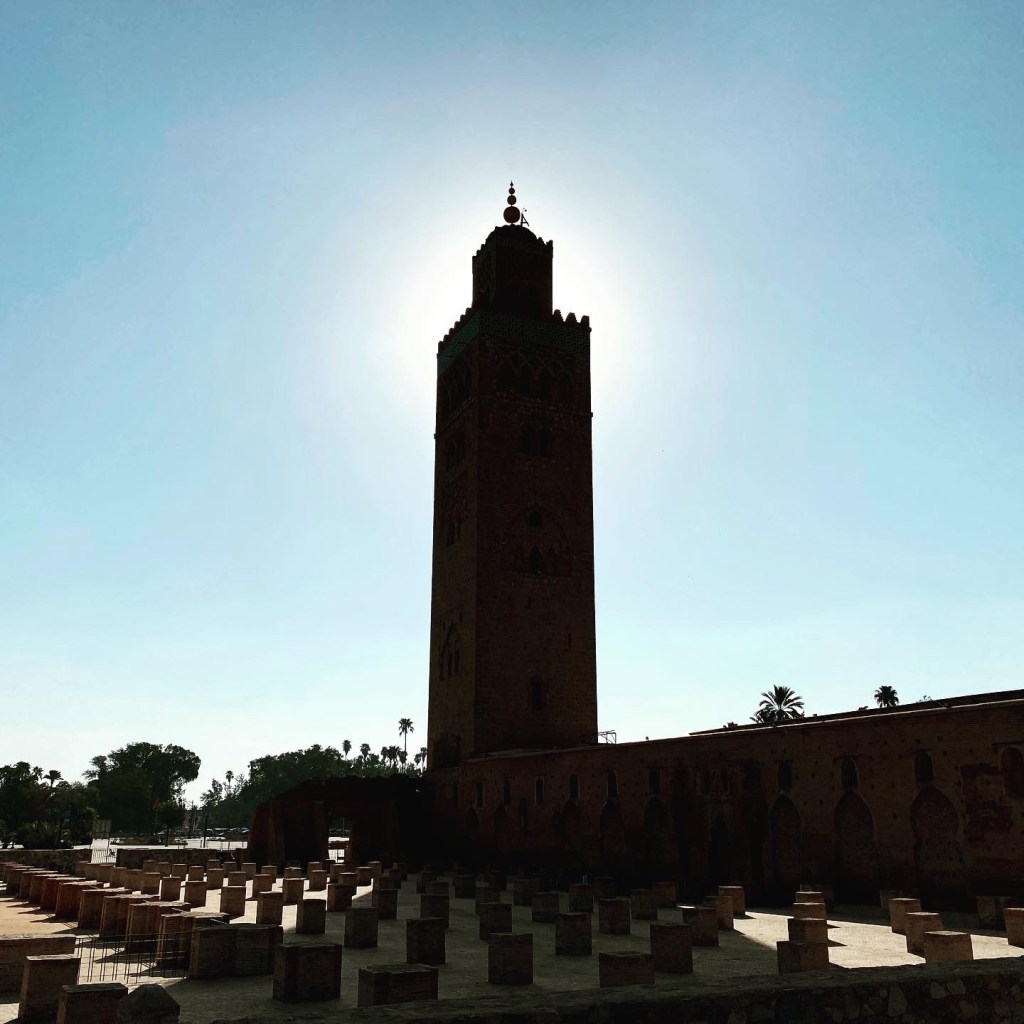

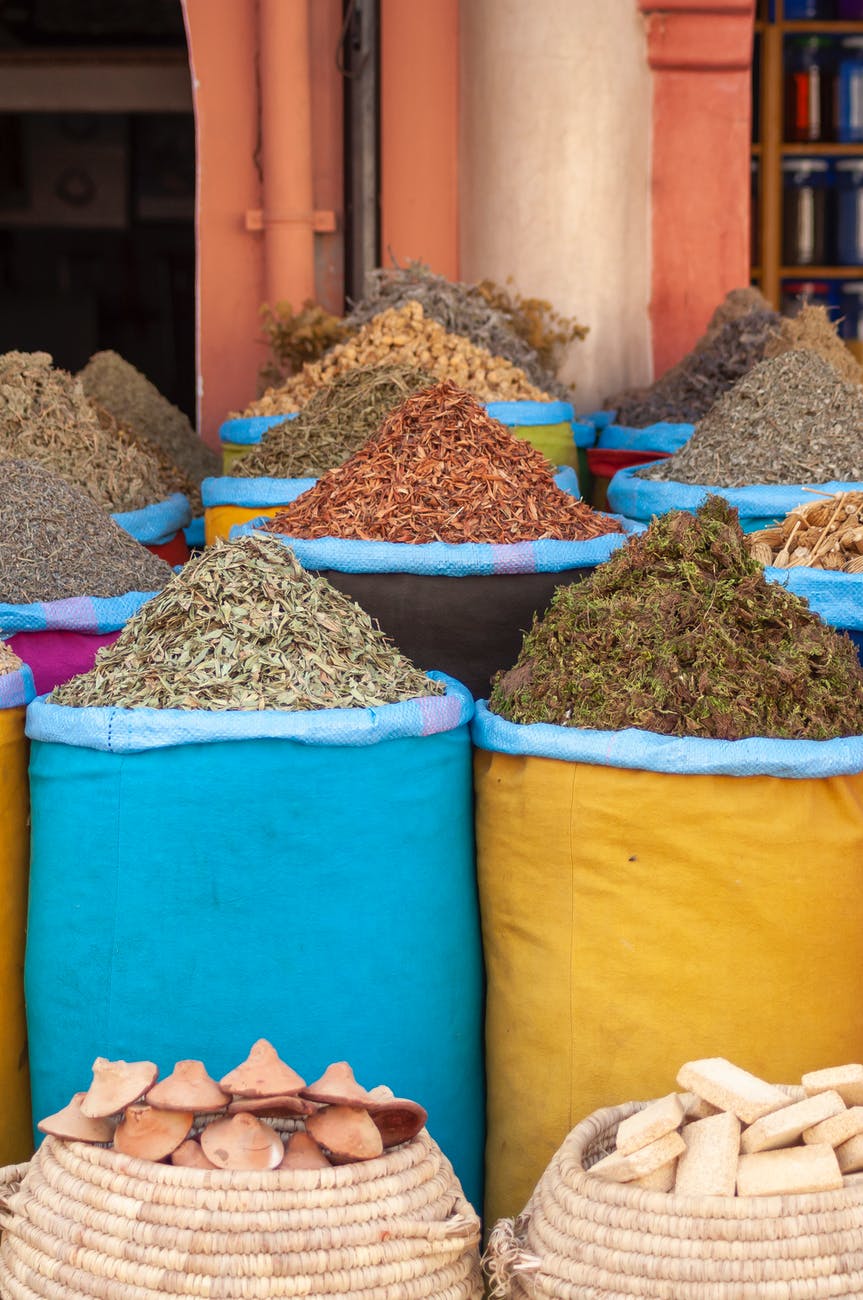
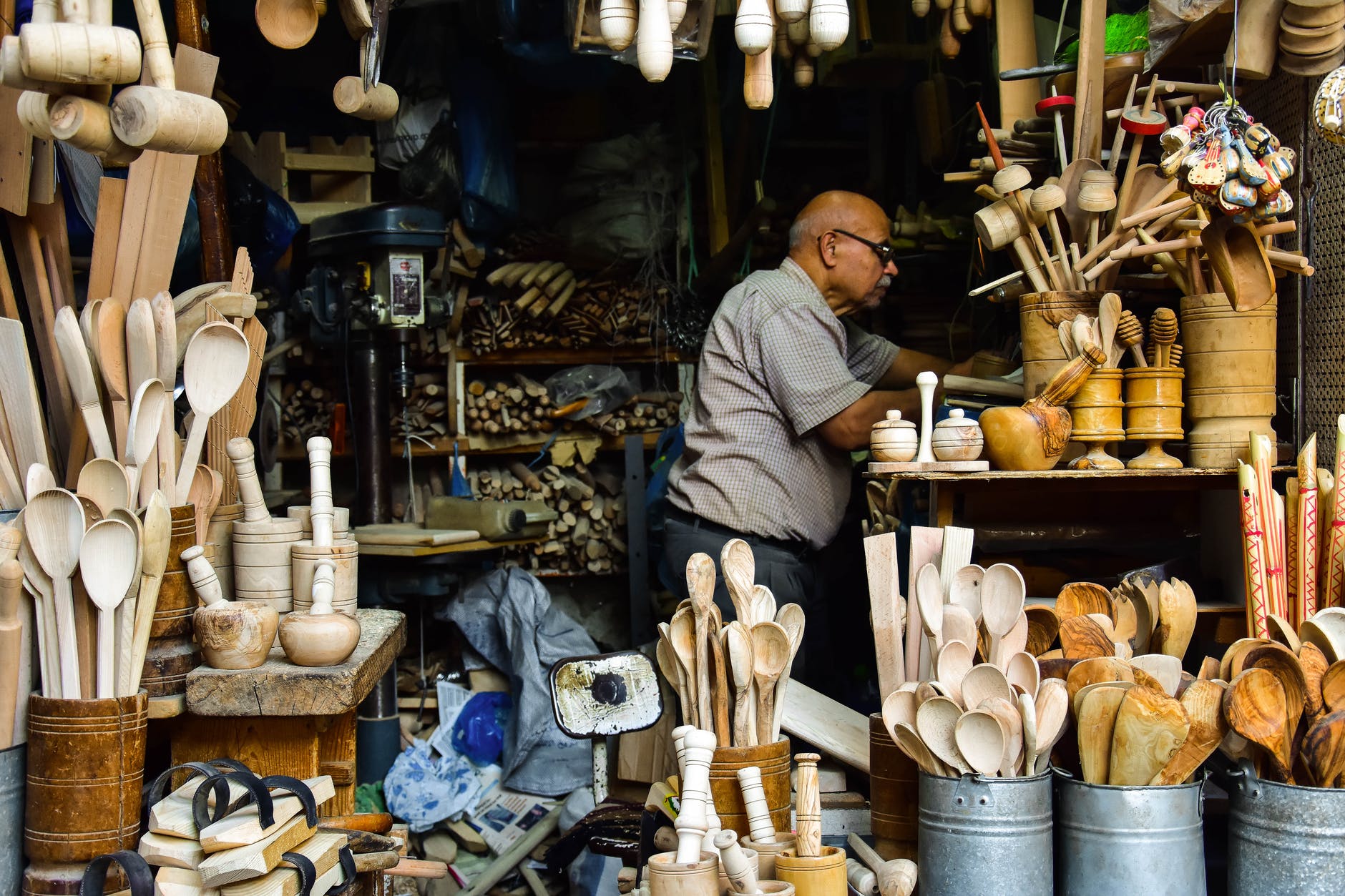
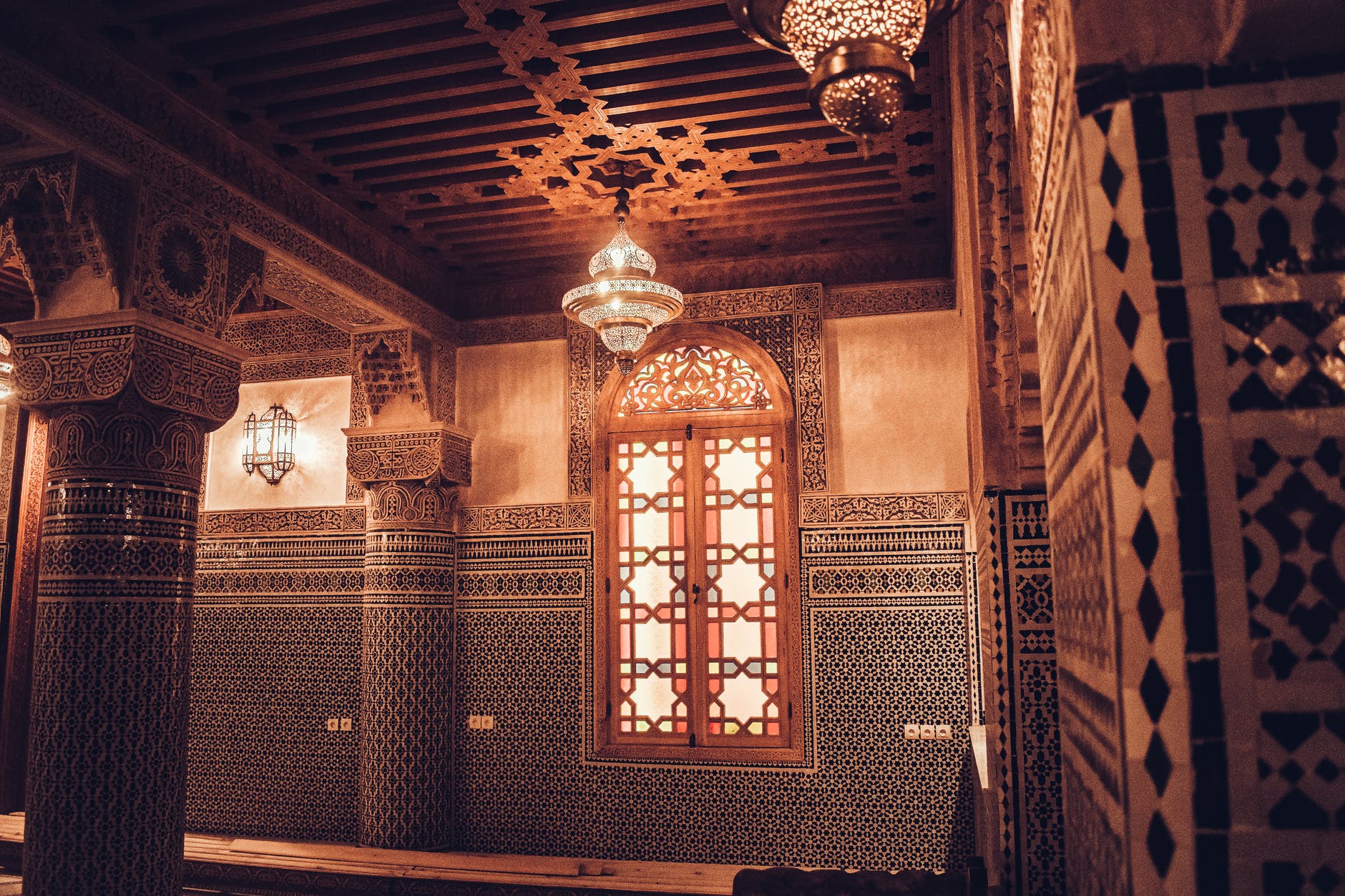

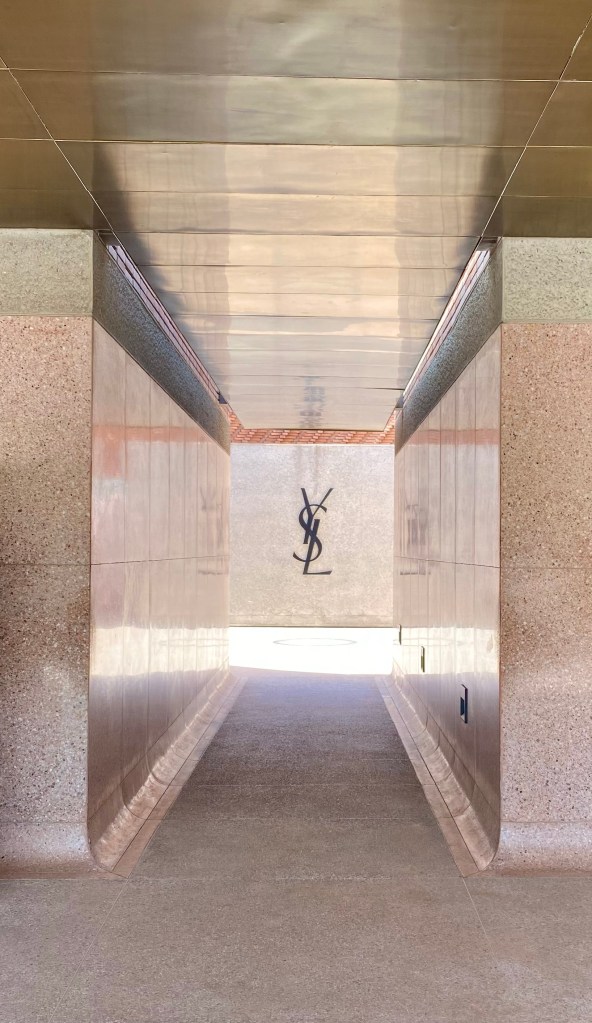
A motif I loosely recognised from my late-teens 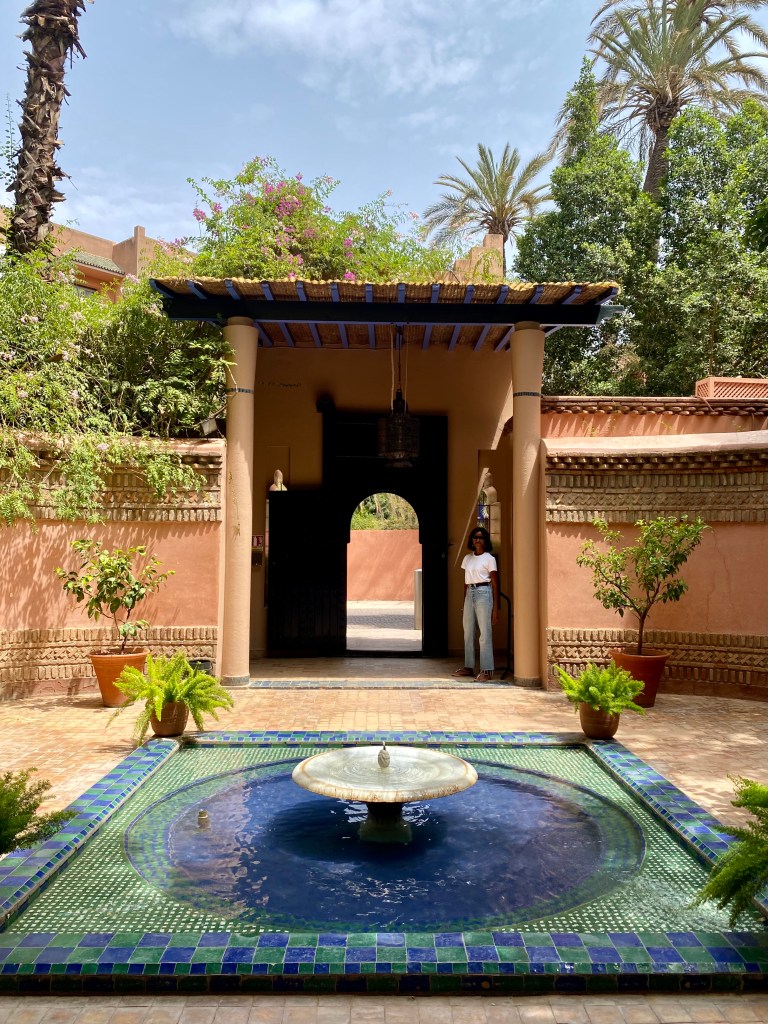
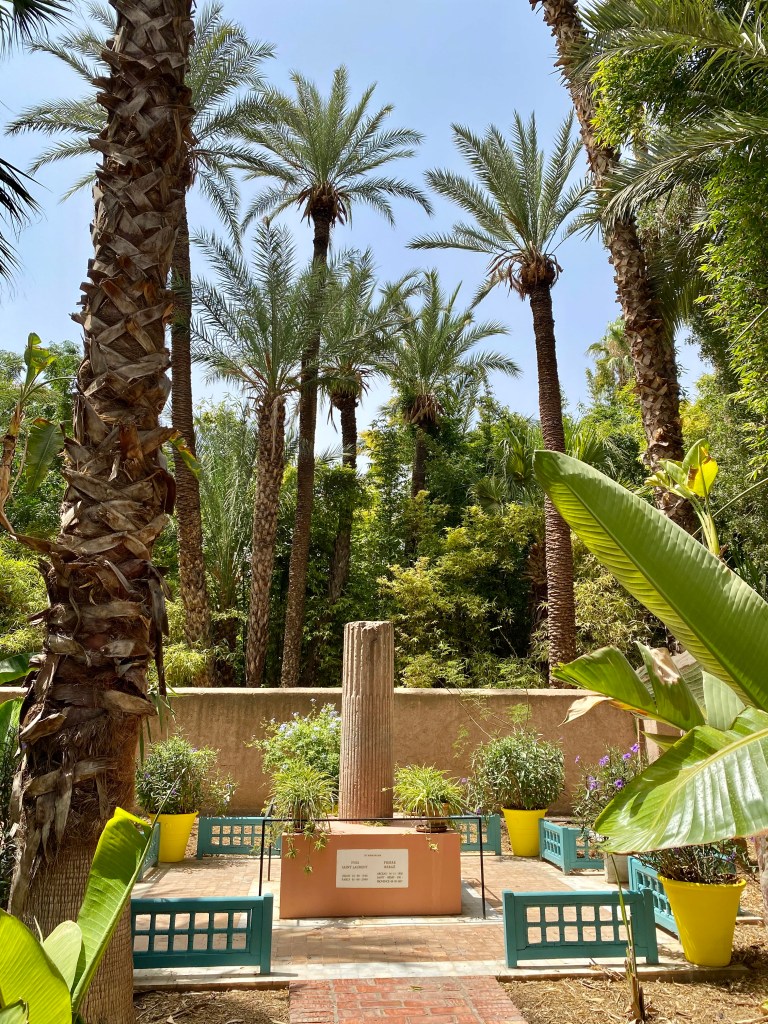
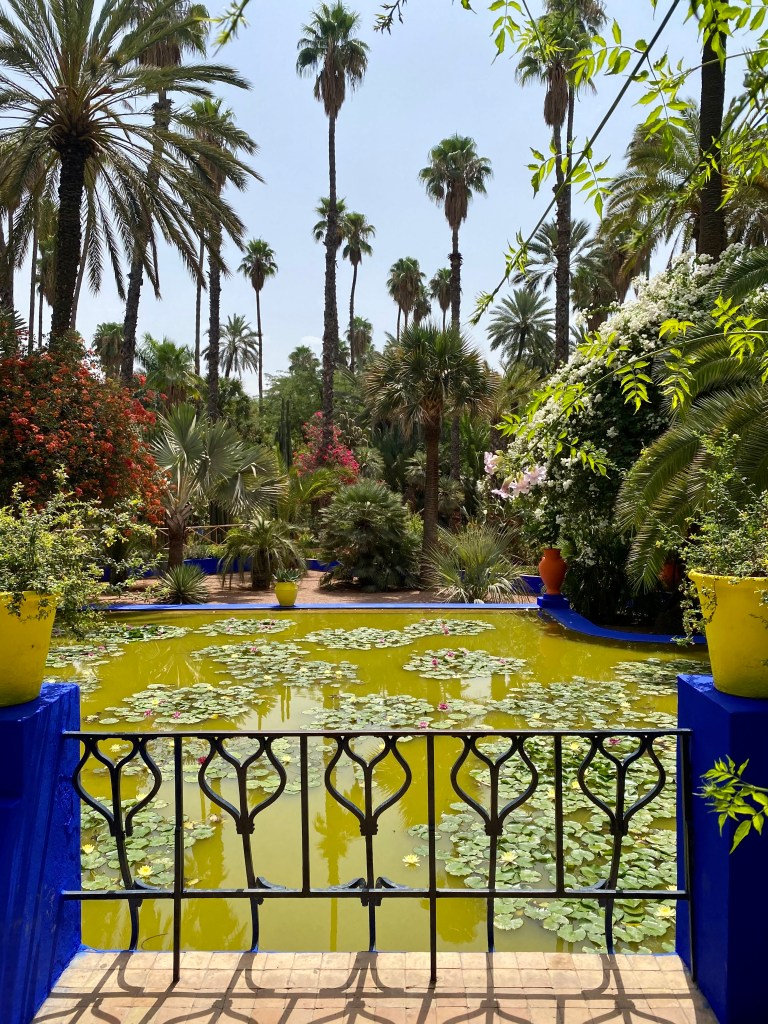
Such a picturesque garden
Ouarzazate: 29th August – 1st September

Driving in Morocco was a broadly pleasant experience and it certainly was a country which lent itself to enjoying the open road. The country seemed to be going through an infrastructure upgrade as the main roads appeared to be relatively freshly laid, straight (where possible) and smooth. This contrasted with the B-roads which were much less comfortable to traverse, particularly for lengthy periods. However, there was clearly much construction and resurfacing going on as about half of most of the B-road drives took place on the dirt either side of the road which made for slow, bumpy and dusty progress in our Fiat Punto. The thing that appeared to have been overlooked during this infrastructure upgrade was the inclusion of speed limit signs which saw me caught me out three times in the first two days by the traffic police who were extremely canny and good at hiding.
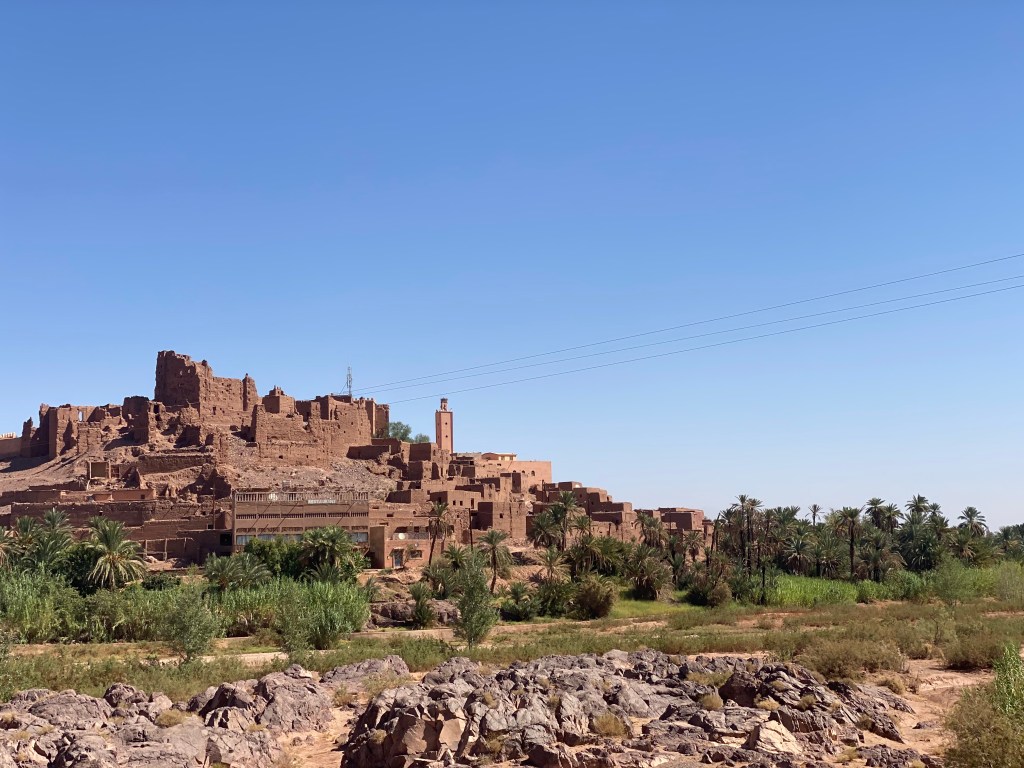
The Kasbah which included our lodgings: Riad Chay 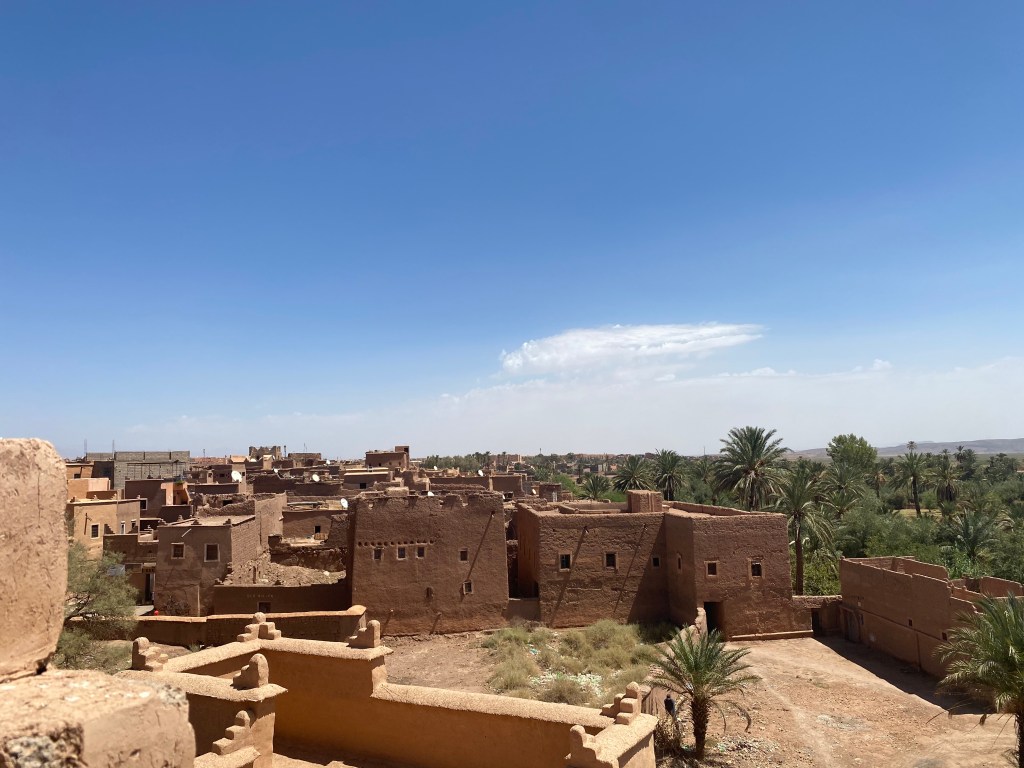
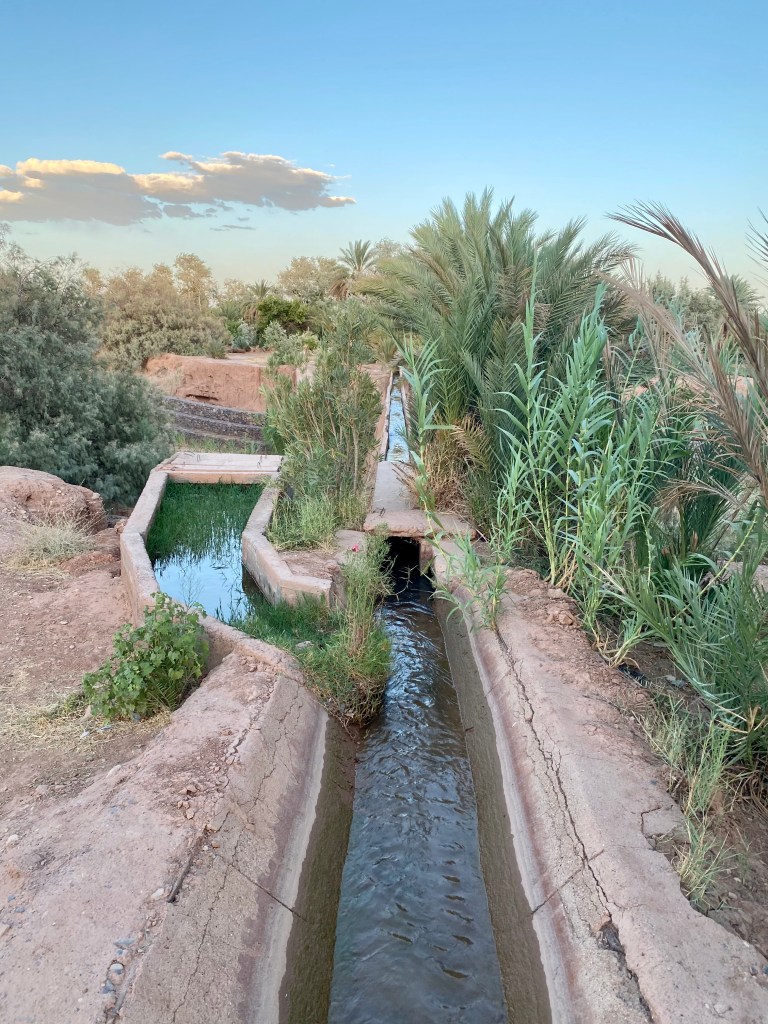
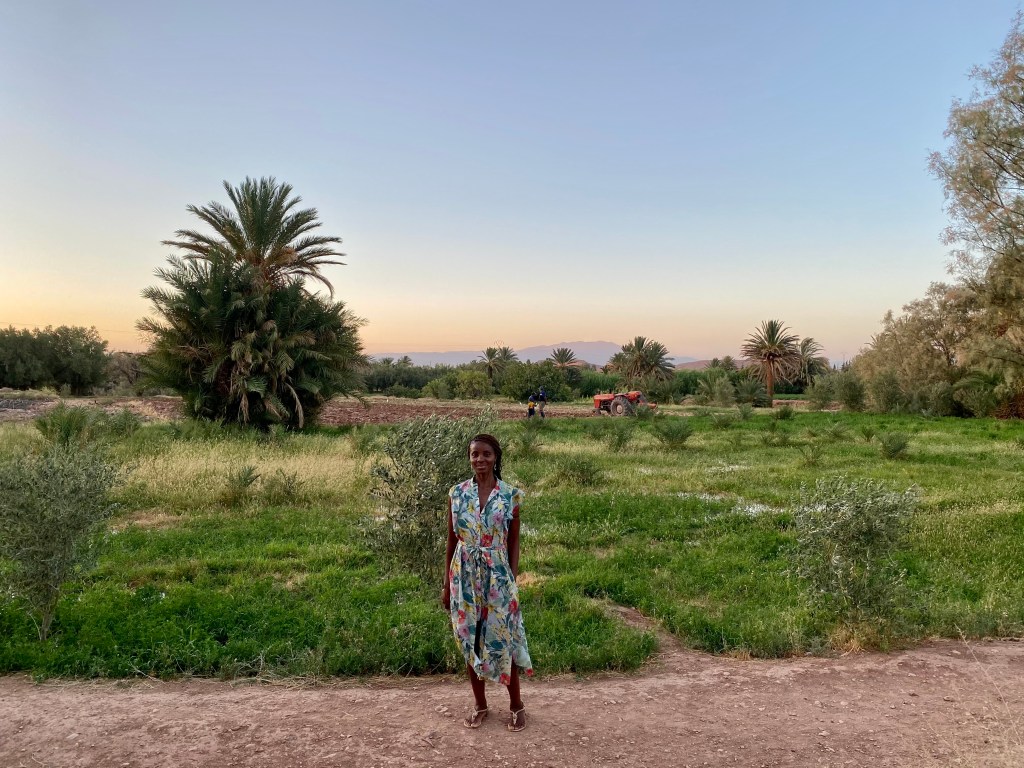
The Kasbah had its own ingenious irrigation system

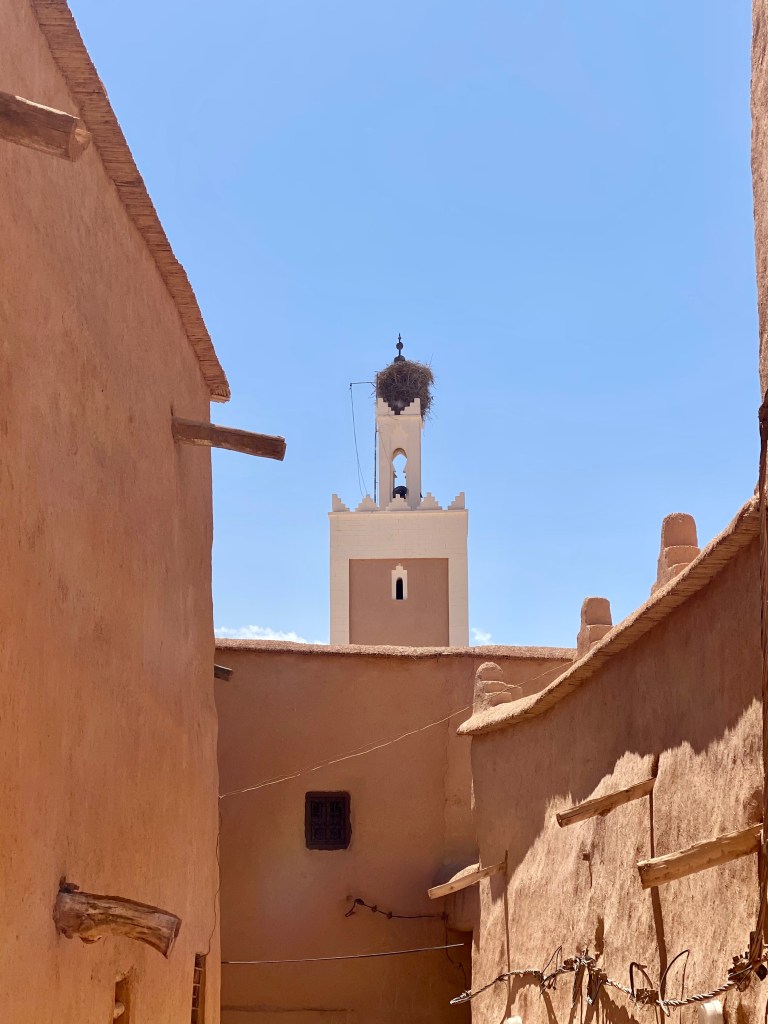
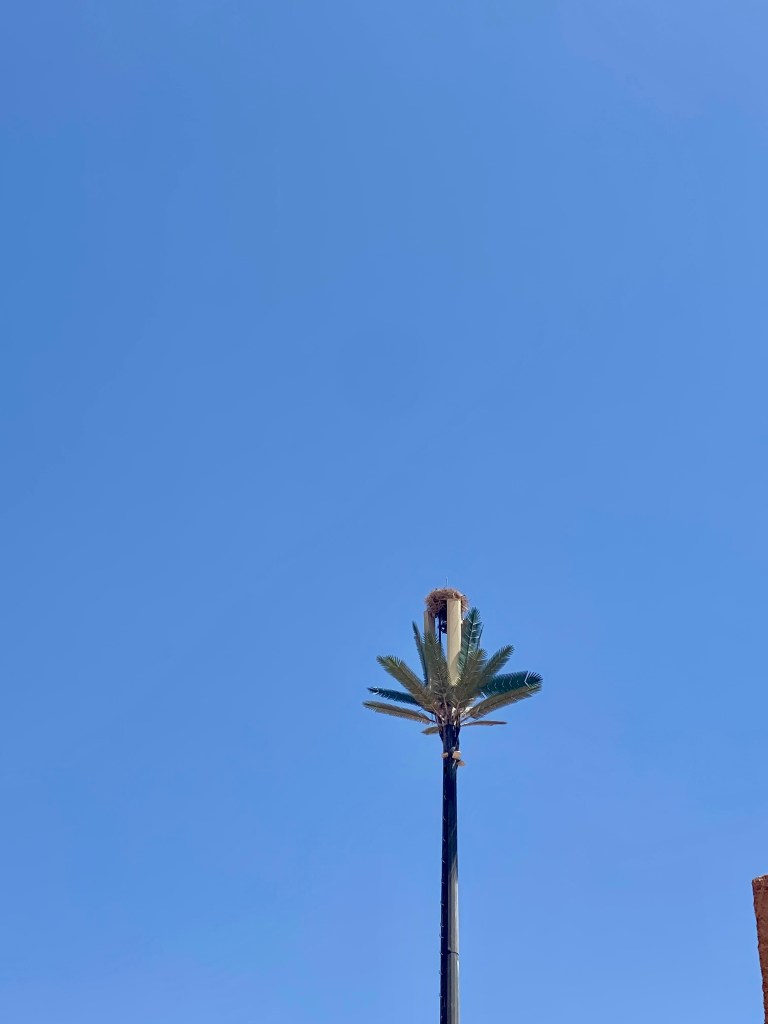
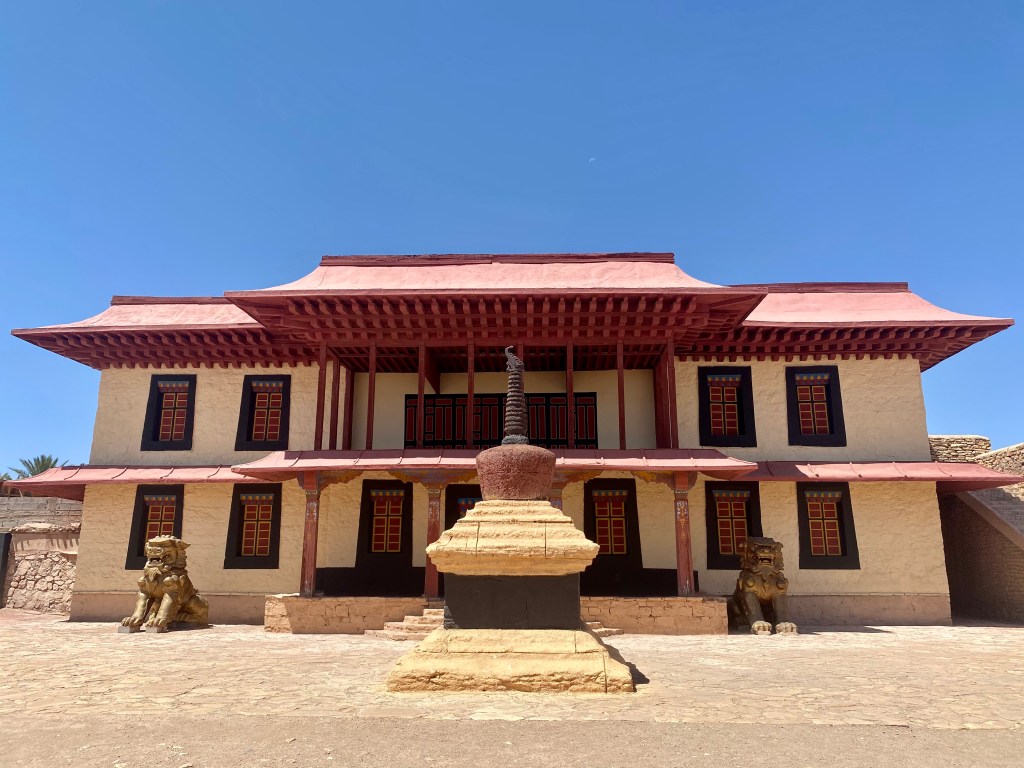
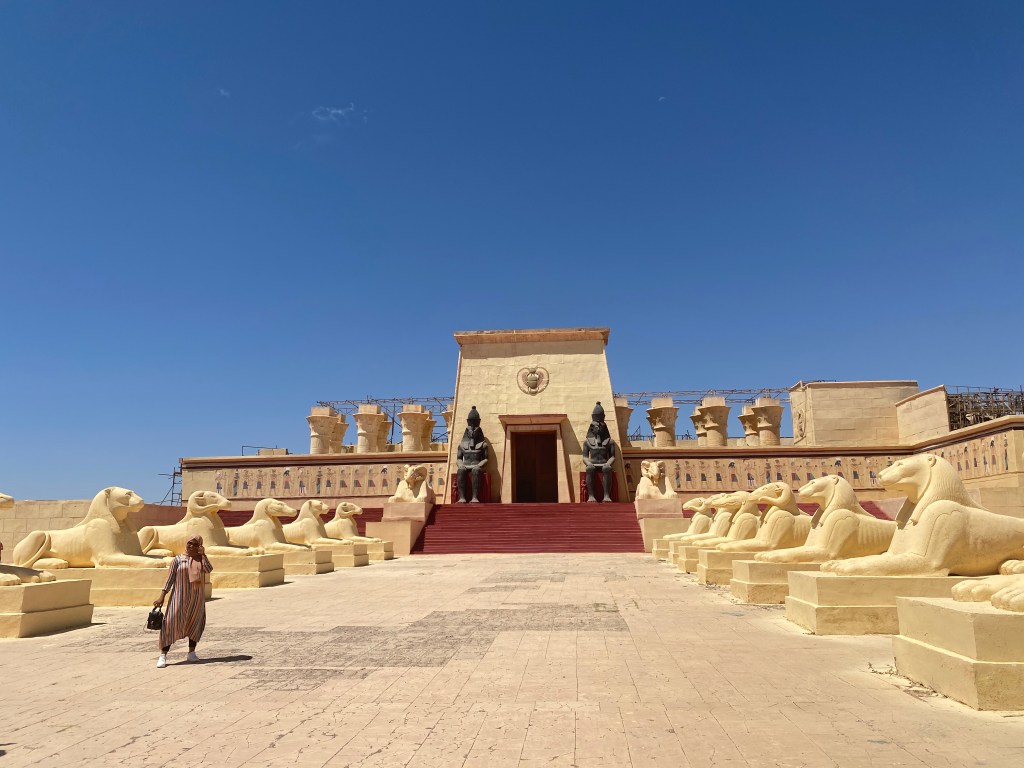
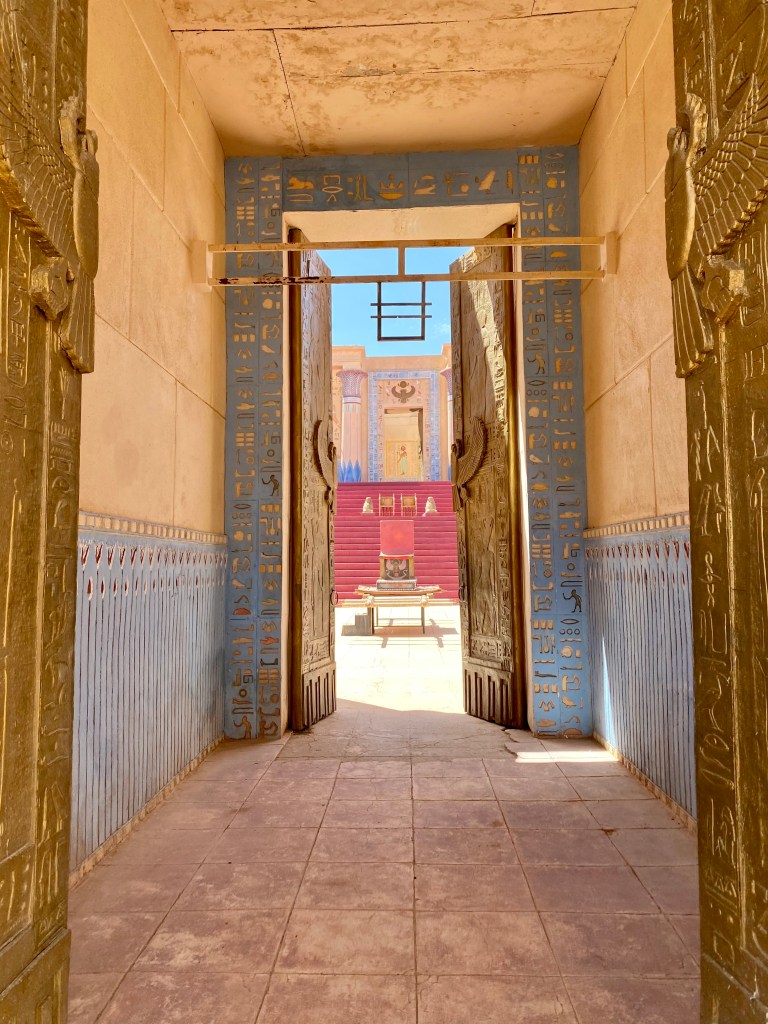
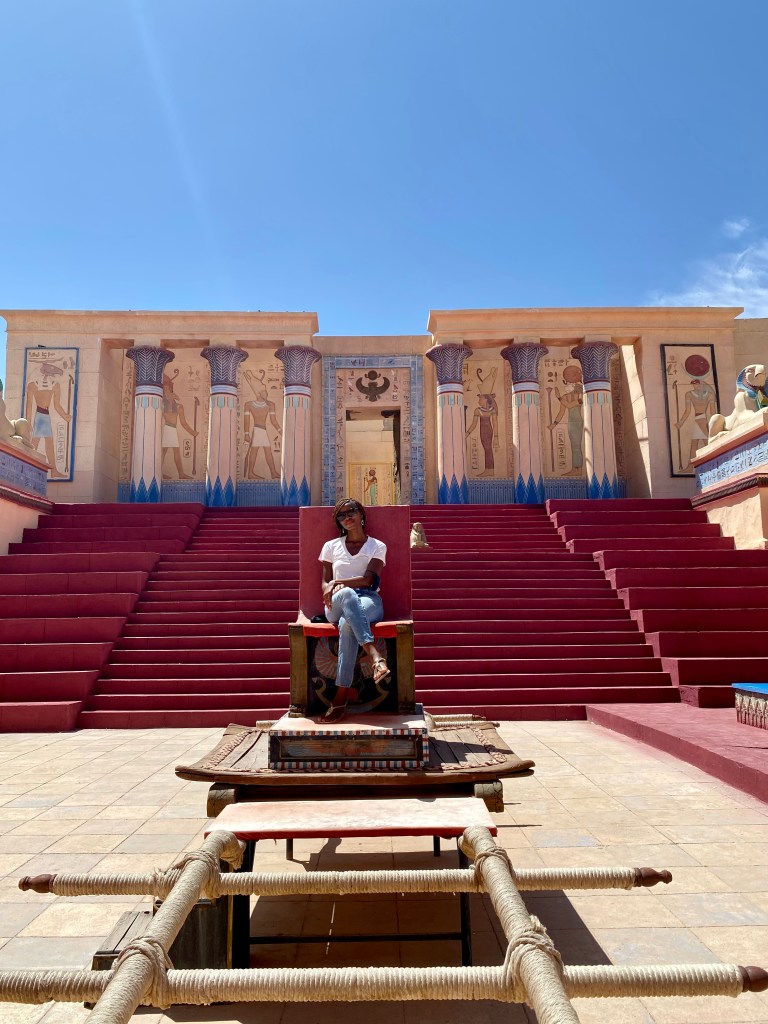
One thing we were really not expecting to find in Ouarzazate was a Hollywood film studio. We learned on the tour – which we were not expecting much from when we saw a decaying papier mâché fighter jet used in Jewel of the Nile in the first few minutes – that the desert scape and fabulous natural light were the two primary factors for having chosen to shoot some blockbusters there (as well as some not such wonderful movies).
You might expect me to start the list with Lawrence of Arabia. There was also Gladiator, The Living Daylights, Hanna, The Mummy, Kundun, The Man Who Would Be King and The Last Temptation of Christ to name but a few. There were some series shot there too: parts of Game of Thrones and Prison Break Series 5

Boulmane Dades: 1st – 3rd September
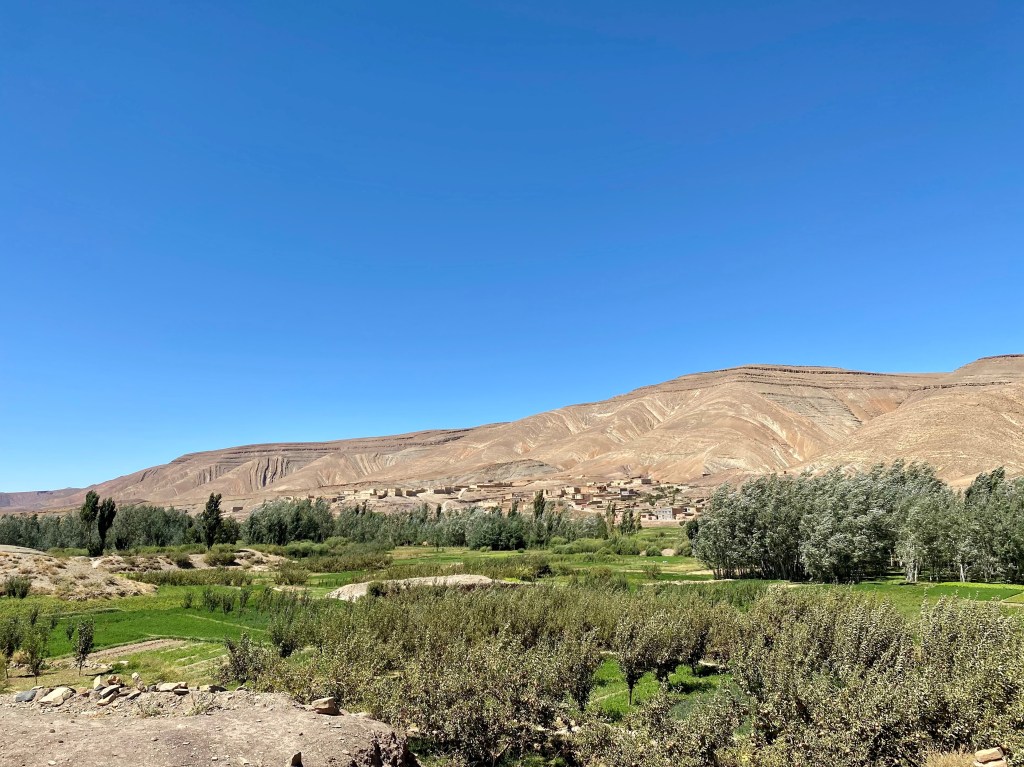
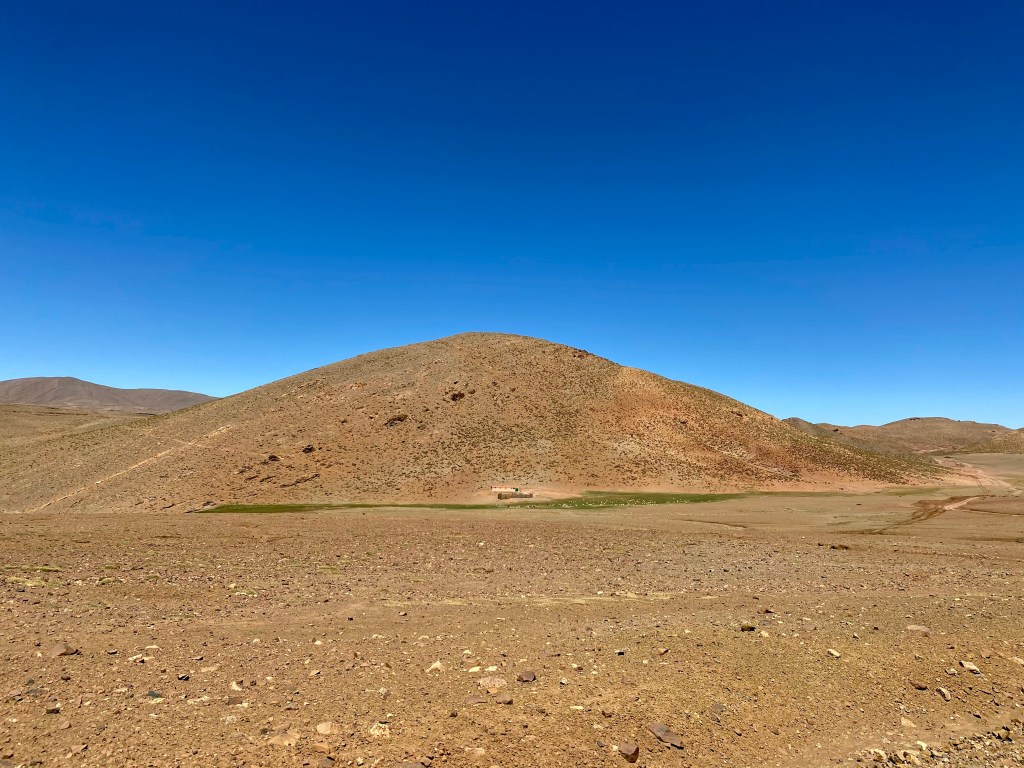
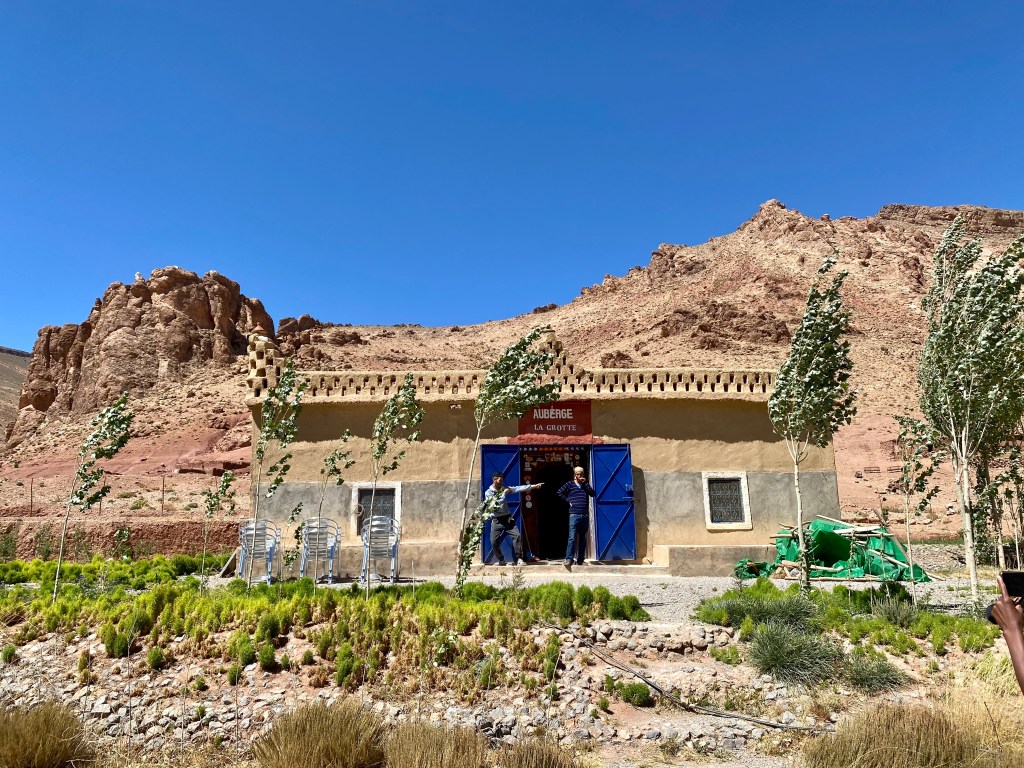
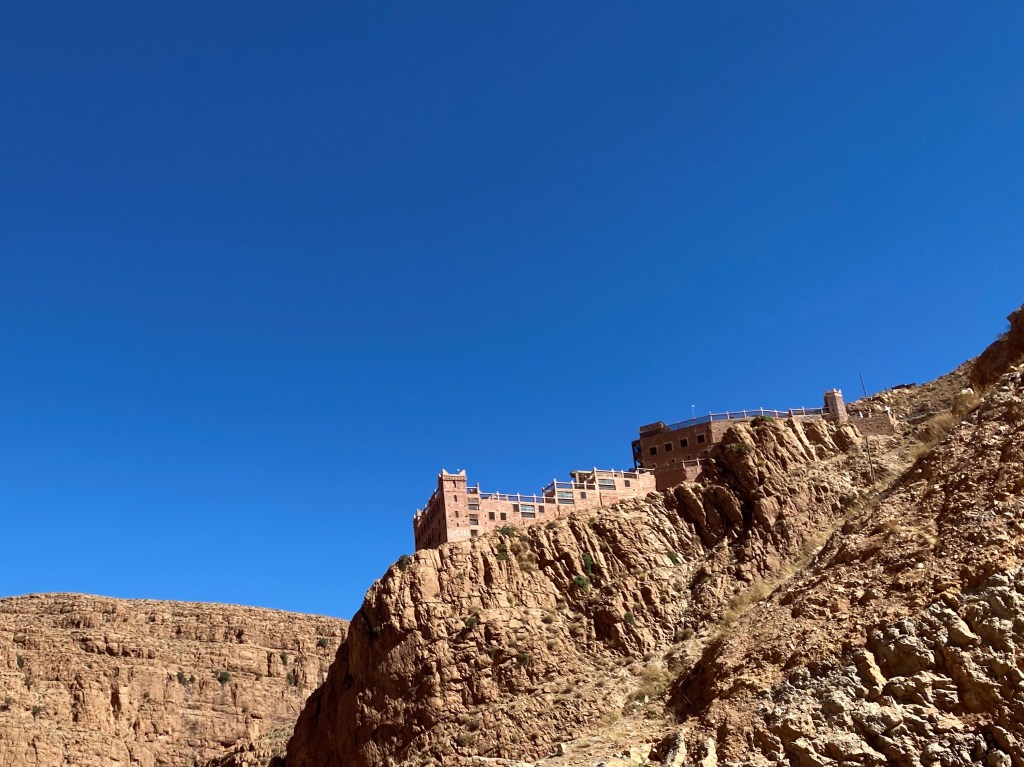
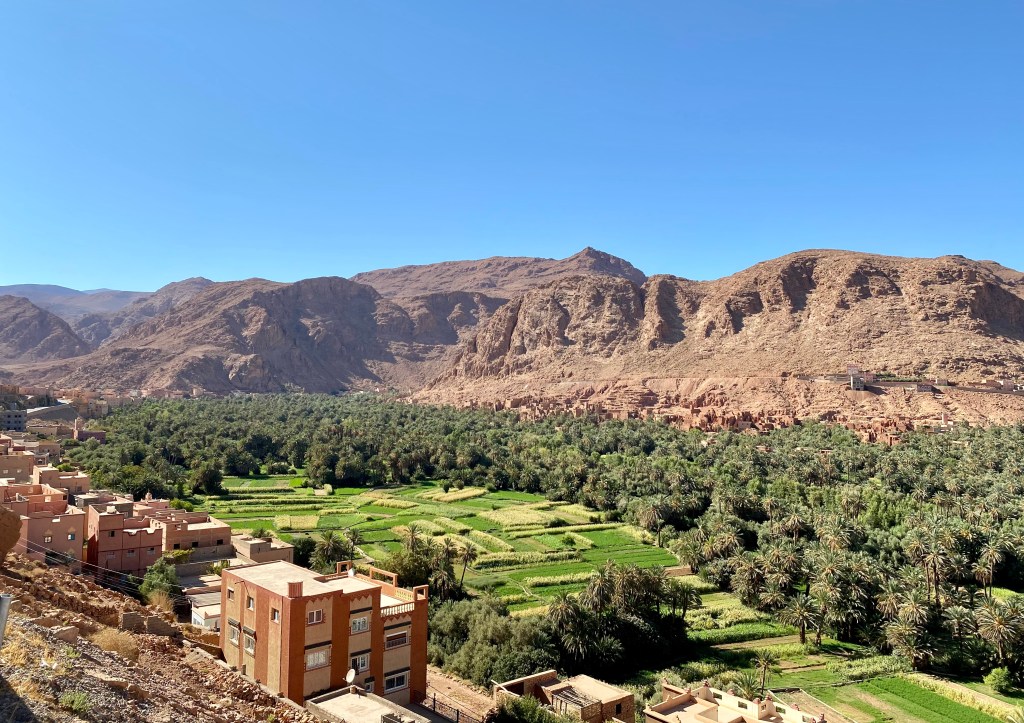
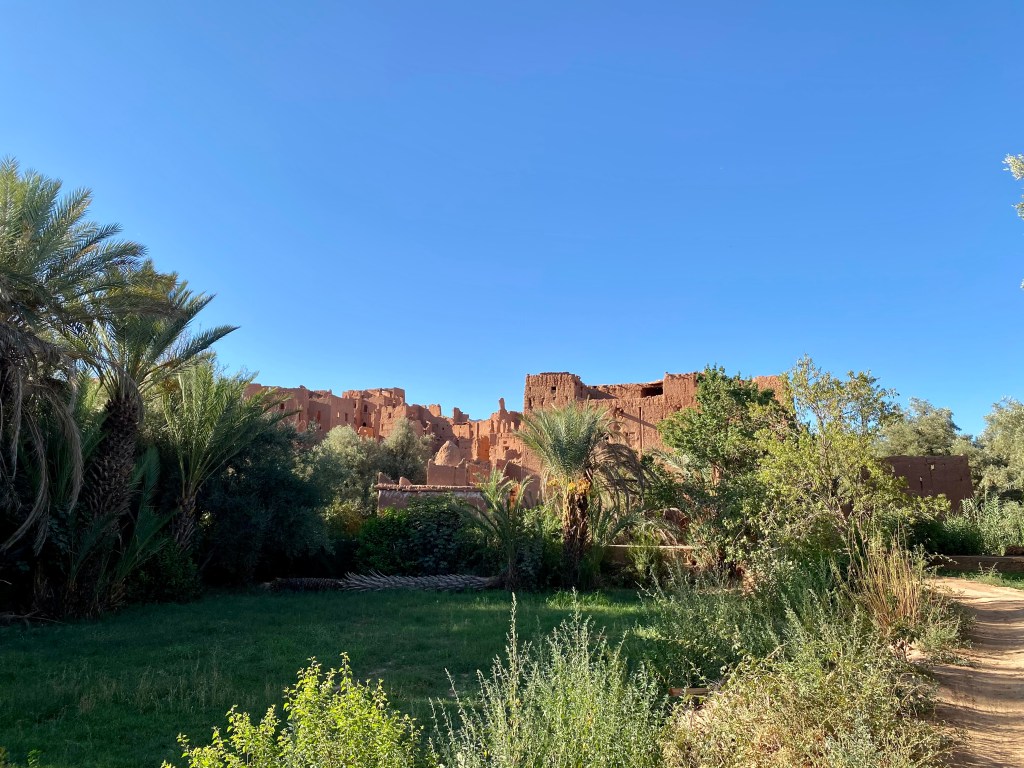
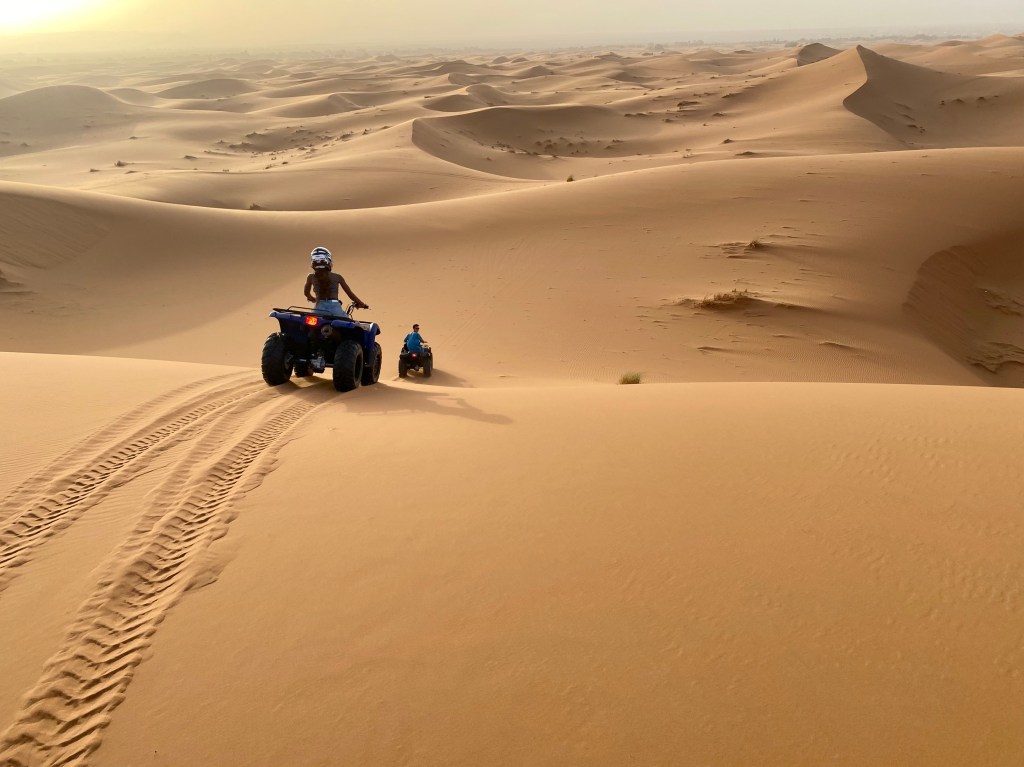
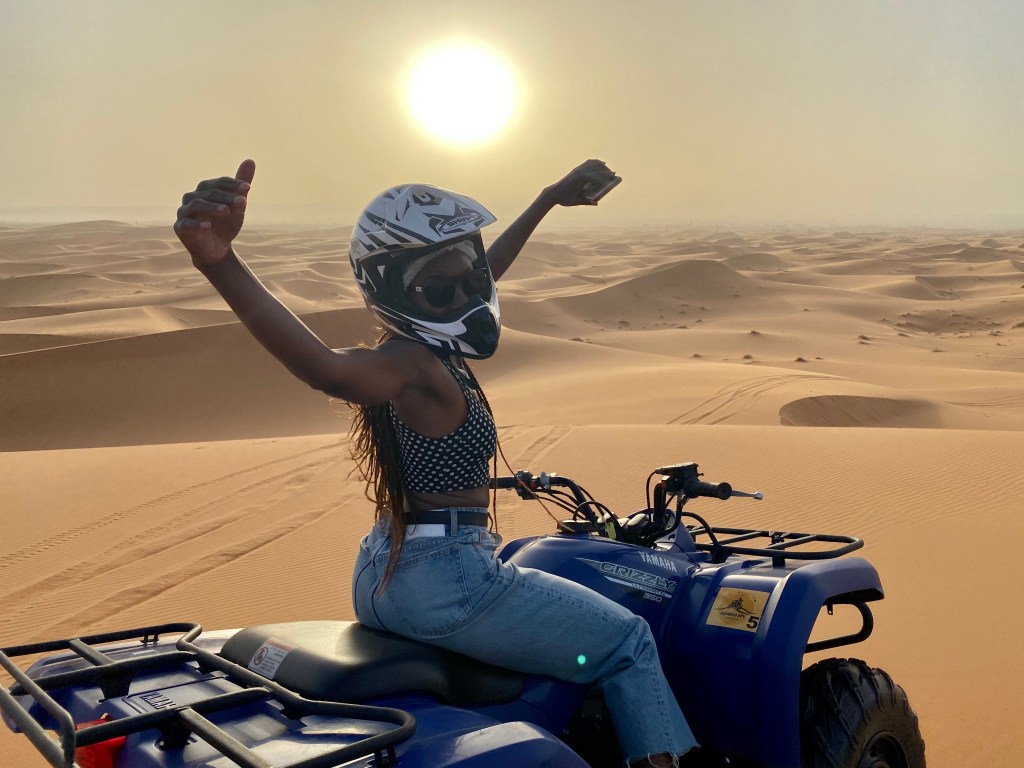
Merzouga: 3rd – 6th September
The drive to Merzouga, while not the longest we would embark on (that would be the next stretch to Fes), was probably one of the most challenging. It came directly in the wake of our ‘wrong turn’ off-road experience over the Atlas Mountains, and was similarly unexpected. The first hour was pretty uneventful: more small towns, more desert, more dramatic rock formations. Thereafter, as the wind picked up and visibility started to reduce quite significantly, it began to get quite a bit more hairy. Where we were previously finding the scenery a little repetitive, we now longed for towns, desert and rocks. The storm lasted most of the next three hours and varied from ‘windy, partially sighted and a bit unrelaxing’ to ‘very windy, unsighted in all directions and genuinely terrifying’. At times I was tempted to stop the car where we were until the storm subsided a little but, given none of the local traffic would have done the same, that would have left us sitting ducks waiting to be shunted, so we just ploughed on slowly in to the storm.
With about an hour to go we drove through a town called Rissani (population c. 20,000) which, we presume because of the storm, was almost completely deserted. Apart from the odd pair of eyes glaring from behind a headscarf in a doorway, there was nothing but sand, empty streets and what look to be abandoned market stalls. Had we thought the walk in Palermo to be harrowing, this took things to a completely different level – we knew how far we had driven from the nearest Western comfort which added to the anguish. However, as we left Rissani the storm began to ease and during the drive to Merzouga the storm stopped almost as quickly as it had started.

After two exhausting drives, pulling through the gates to Riad Azawad remains one of my most joyful recent memories. The welcome was warm and the room was ready. My only regret is there was no cold beer – by now, we were firmly in to no booze territory.

Mustafa leading us on to the dunes before sunrise 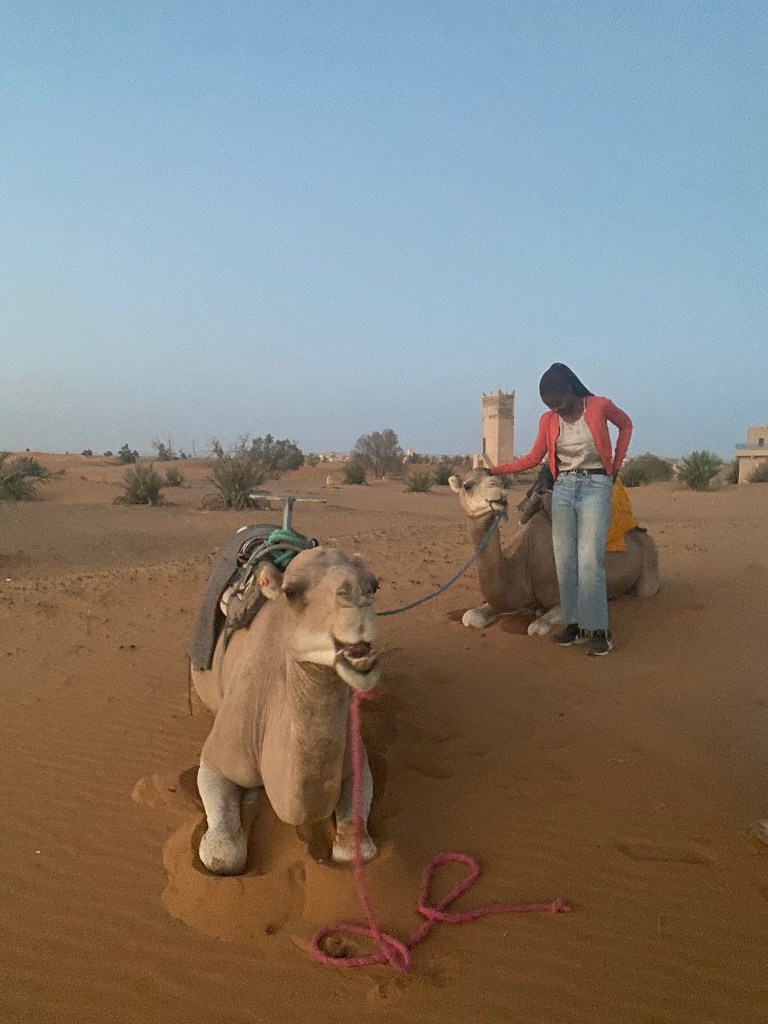
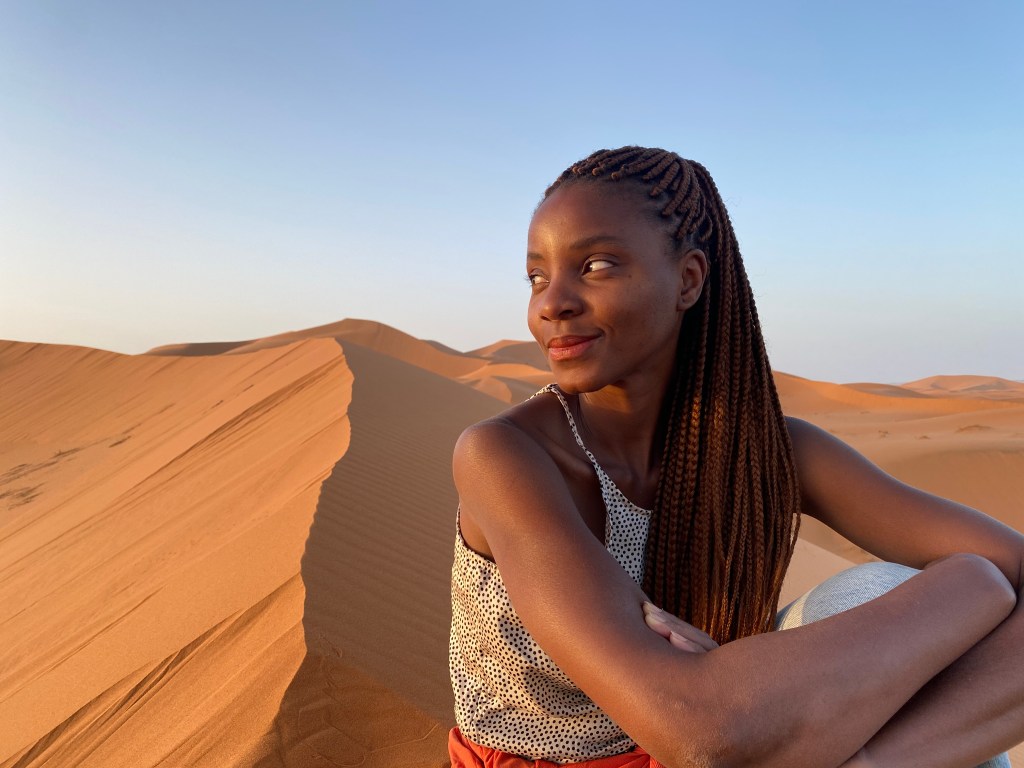
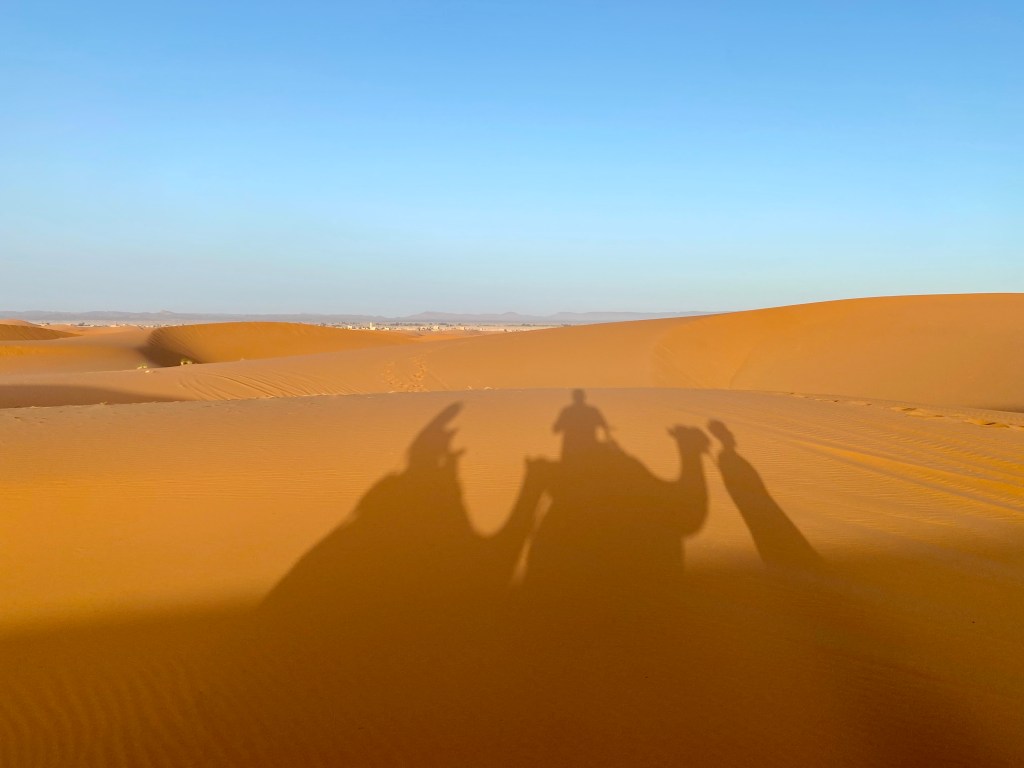
Long shadows in the early morning sun

Fes: 6th – 10th September
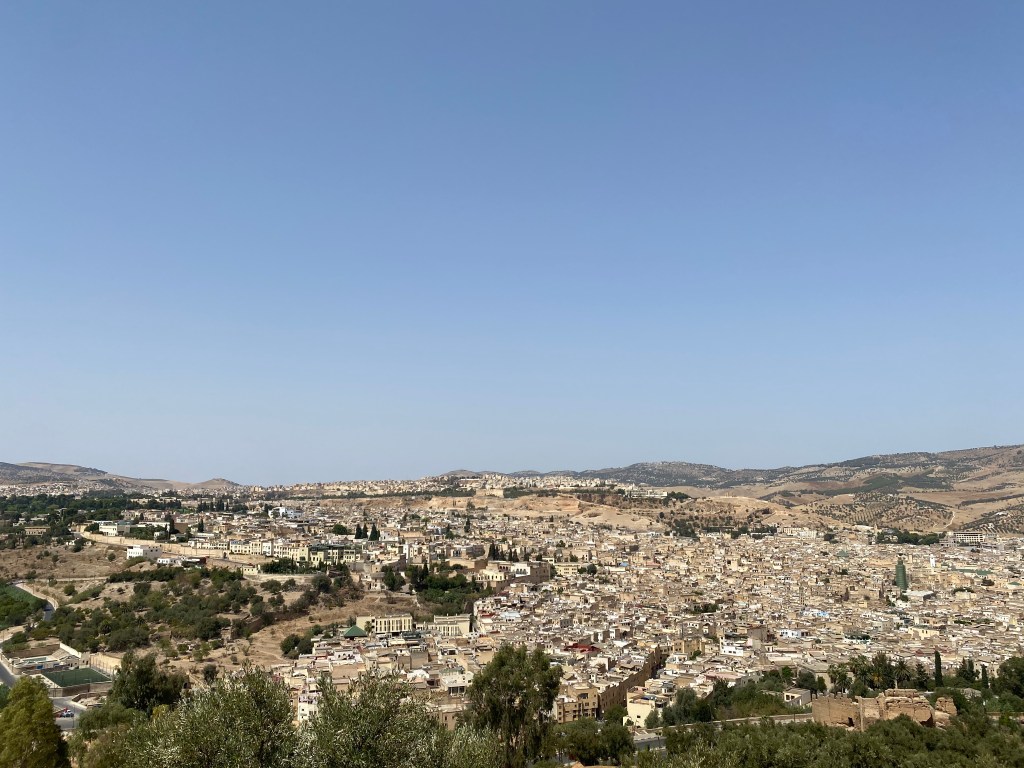
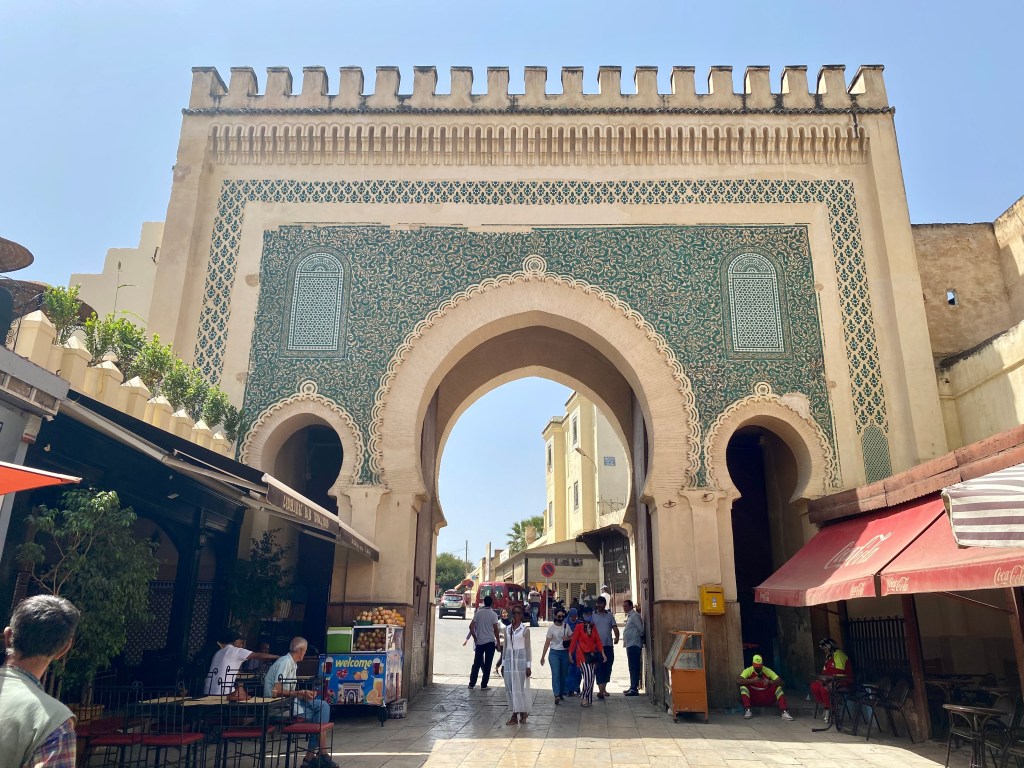
The Gateway to Fes Medina 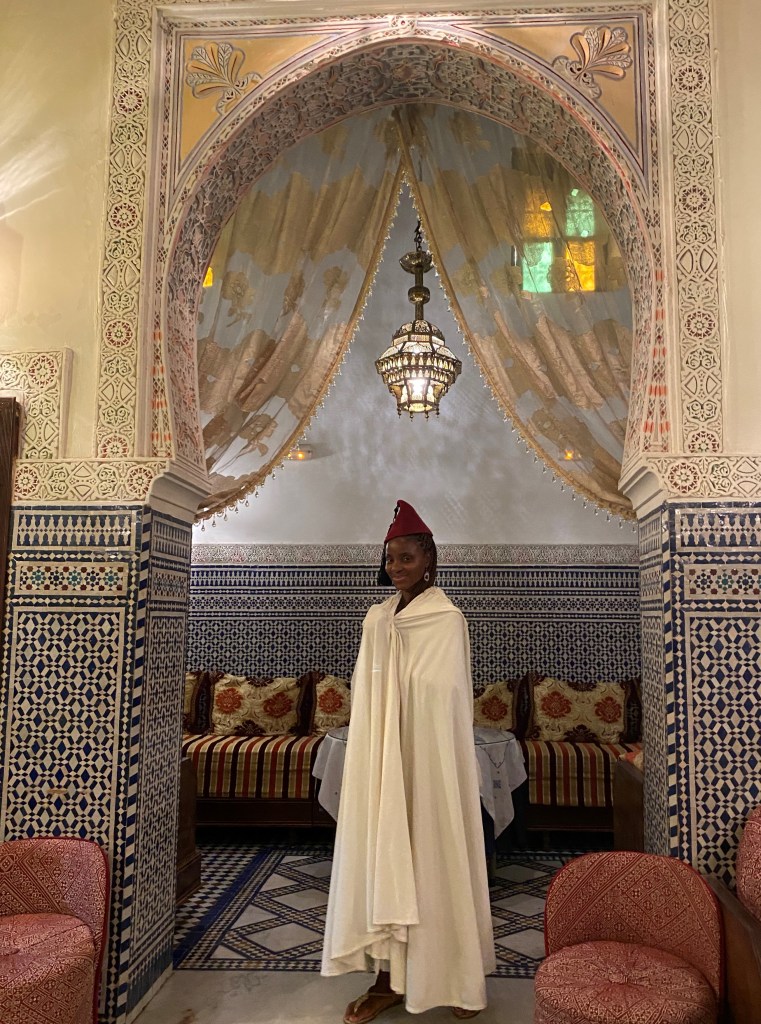
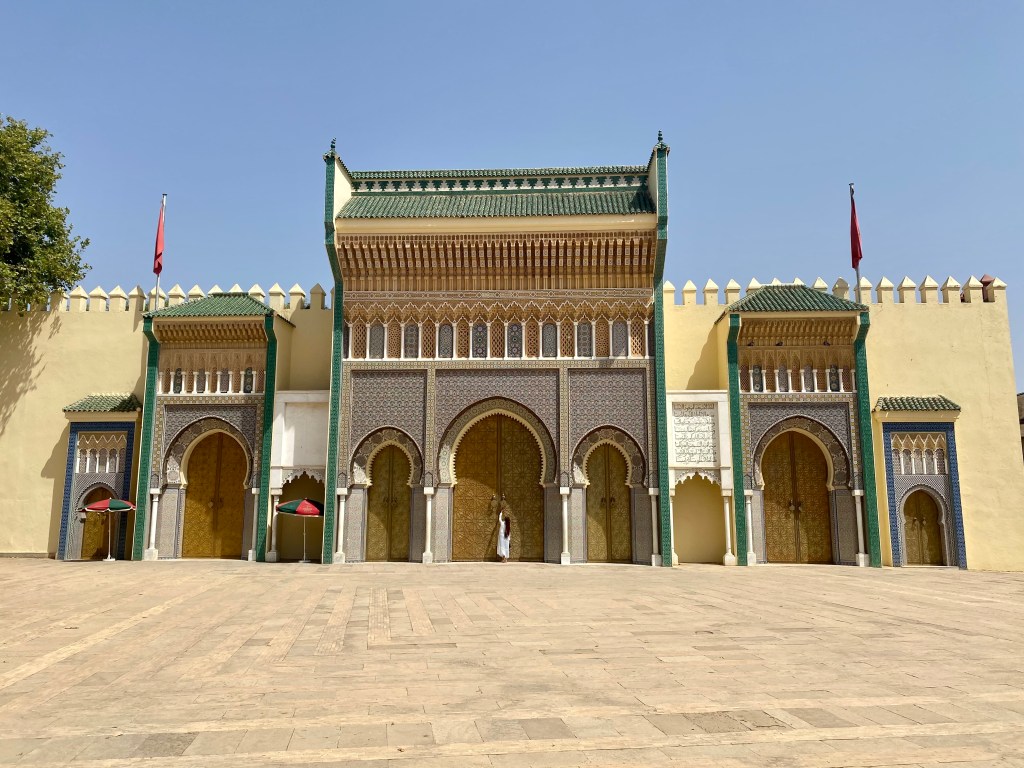
The Royal Palace
 offthegridforabit.com