
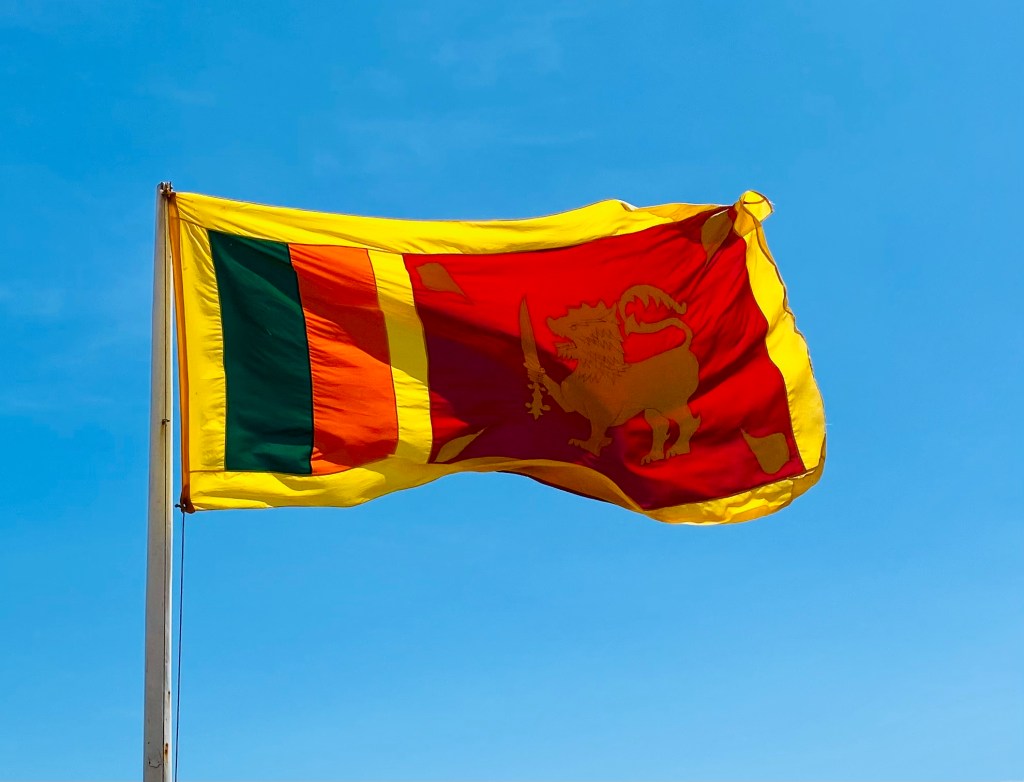
For anyone who has not been to Sri Lanka, it is an emerald island idyll; a place like time’s forgotten about.
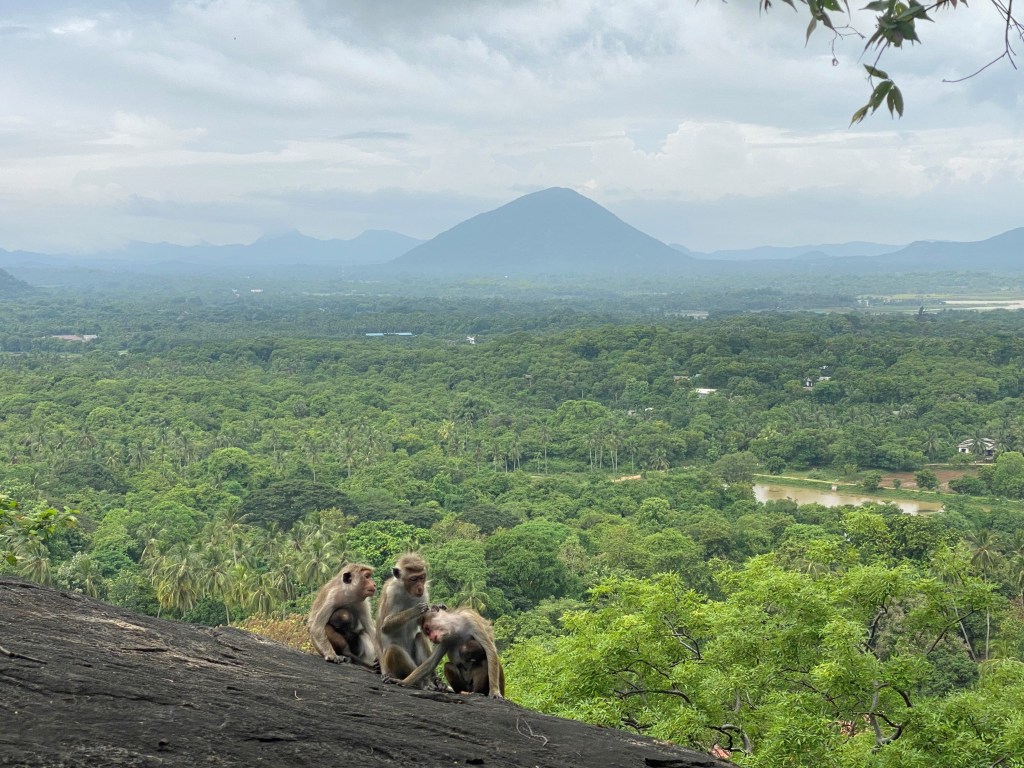
After landing and getting our bearings we awoke to the most lush, bountiful land I had ever seen. Anything that wasn’t built on (or otherwise set aside by humans), or beach, was bursting with flora and fauna of some description – you’ll get some idea from the photographs. If one was to imagine a tropical paradise, Sri Lanka is probably not too far from the mark from what they would envisage. At times, particularly ‘upcountry’, I found myself half expecting King Kong to come bounding over the hills.
Bentota: 2nd – 17th October
We landed in Colombo in the middle of the night and within two hours of landing, we were checked in the hotel in Bentota and in bed which, given all of the added bureaucracy the Sri Lankan government had added to the immigration process, was pretty impressive. Then straight to bed at 4am. We had two weeks’ quarantine to look forward to, so getting some quality rest and a long sleep seemed like a sensible way to get things started.
We had chosen to stay at the Taj Hotel in Bentota. It was one of their government’s Tier 1 hotels for tourists – it was a fairly limited list – but of all the hotels it had the most spacious grounds. We thought this may be an important factor if we were going to have to spend two weeks somewhere without leaving the premises (we tried several times to walk down an empty beach, but were accosted each time by a gang of security guards, some of whom were hidden in the bushes by the hotel perimeter).
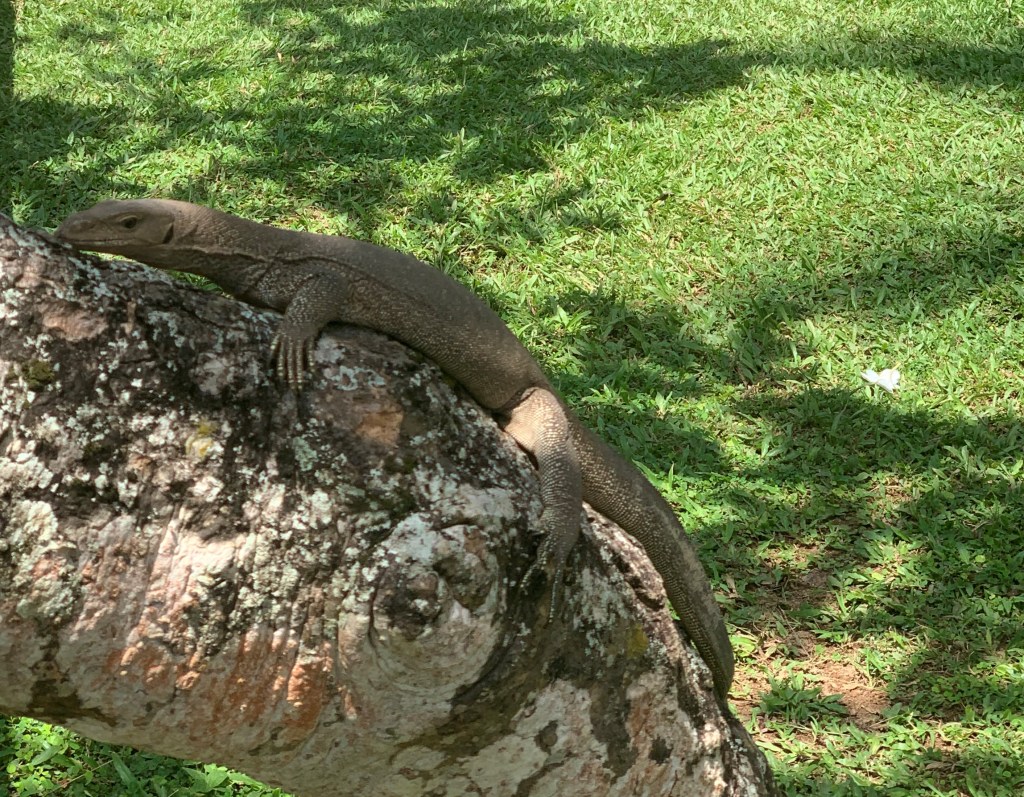
We had to quickly become accustomed to the wildlife in the hotel’s grounds. There were snakes, monitor lizards and bats to contend with as well as the usual predatory mosquitos which would arrive on the scene quite early, c. 5pm as dusk quickly slipped in to sundown at 5:45pm and by 6pm it was night. The hotel’s largest monitor lizard was about four feet long and, thankfully, was pretty shy and only seemed interested in digging up their lawn.
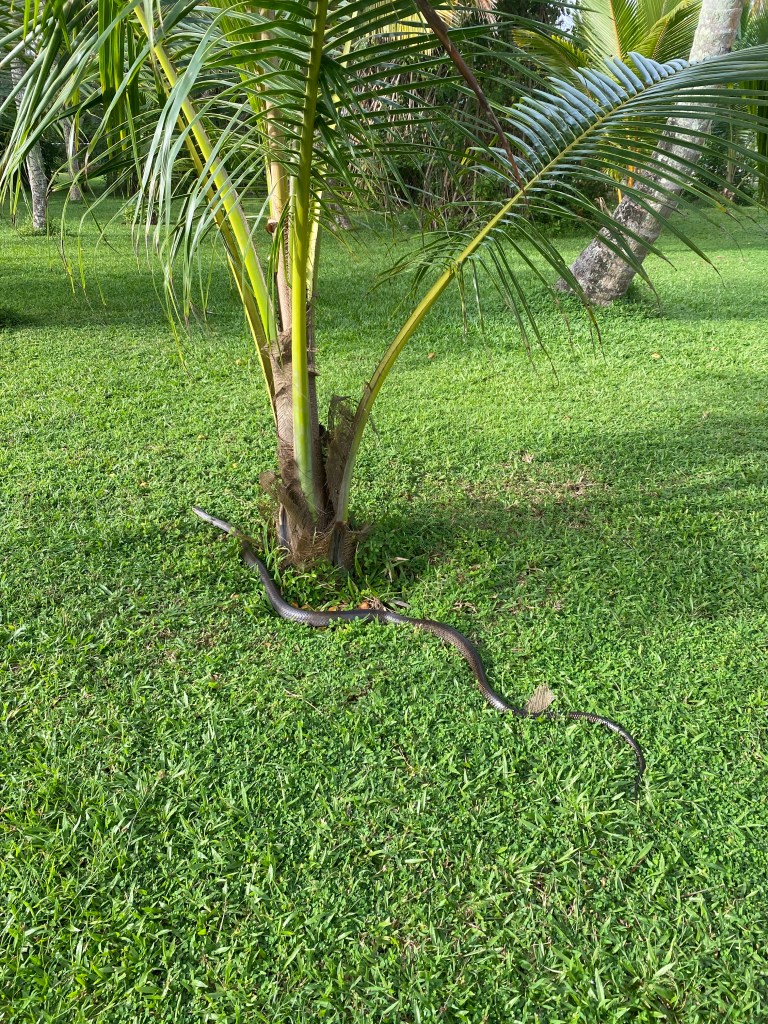
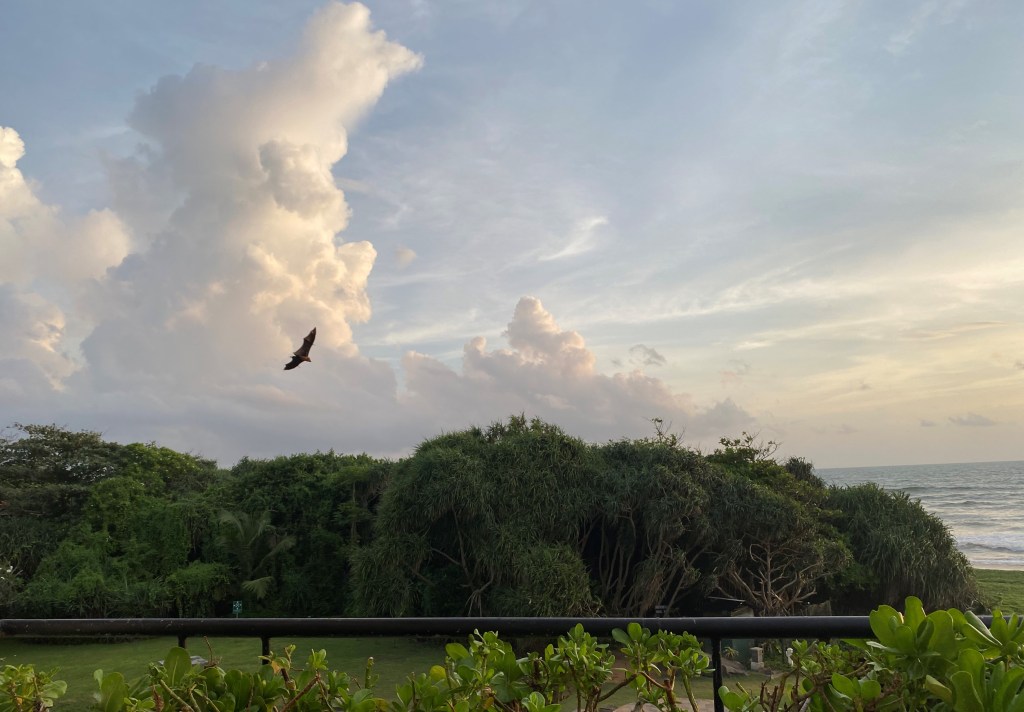
As one might expect, we got in to something of a routine during quarantine. Breakfast, gym, lunch, tennis (the hotel had an excellent coach), movie, sunset walk, supper, evening libation, bed; was how most days went. The tennis was subject to amenable weather which we had for seven of our fifteen days in Bentota. We got a bit spooked when, after having had wonderful sun on the first couple of days, on days three and four we were hit with 24-hour monsoons (winds which bent some of the smaller palm trees to 45 degrees and rain which came down in stair rods). I know we had arrived during the off season, but seriously?
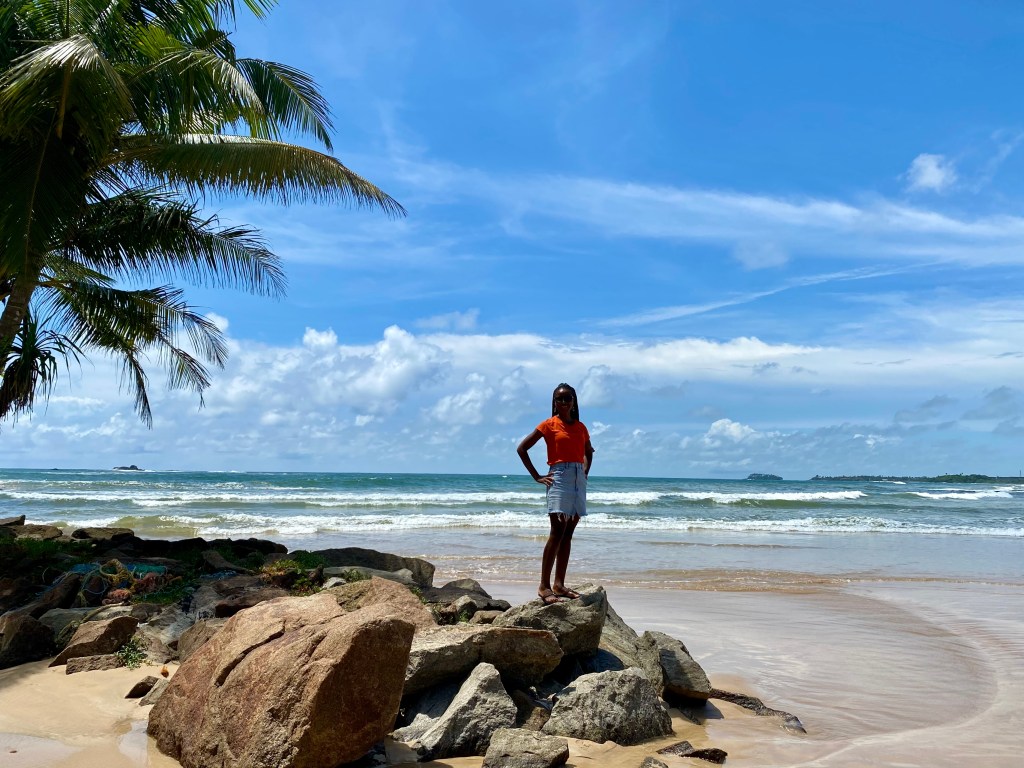
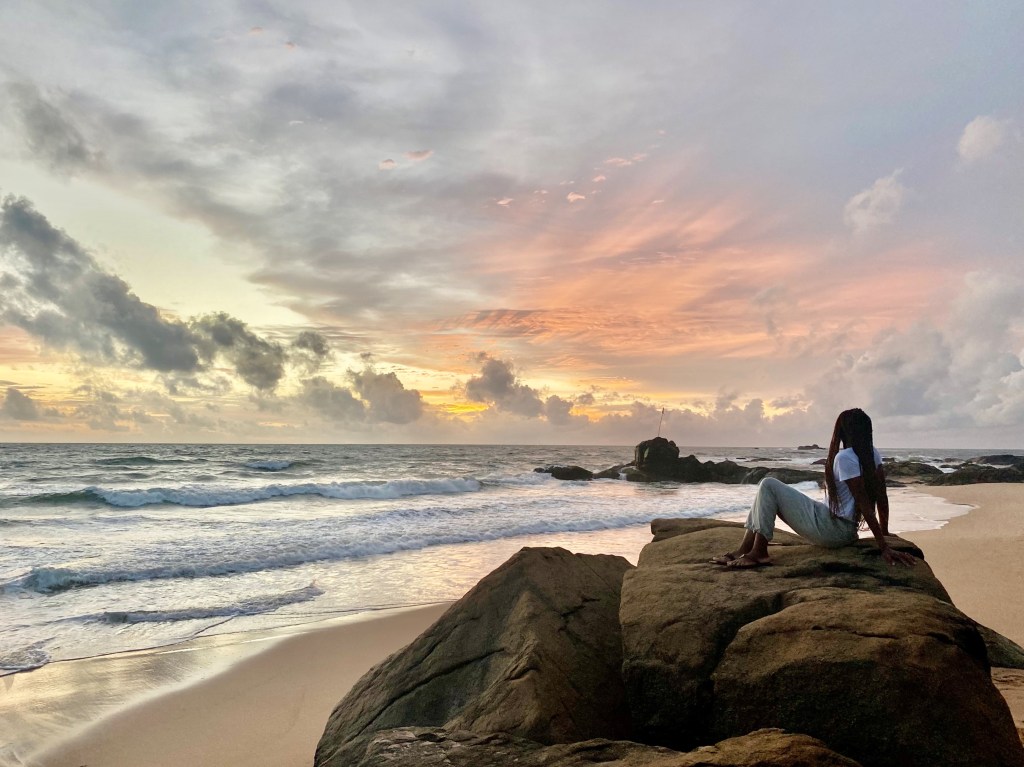
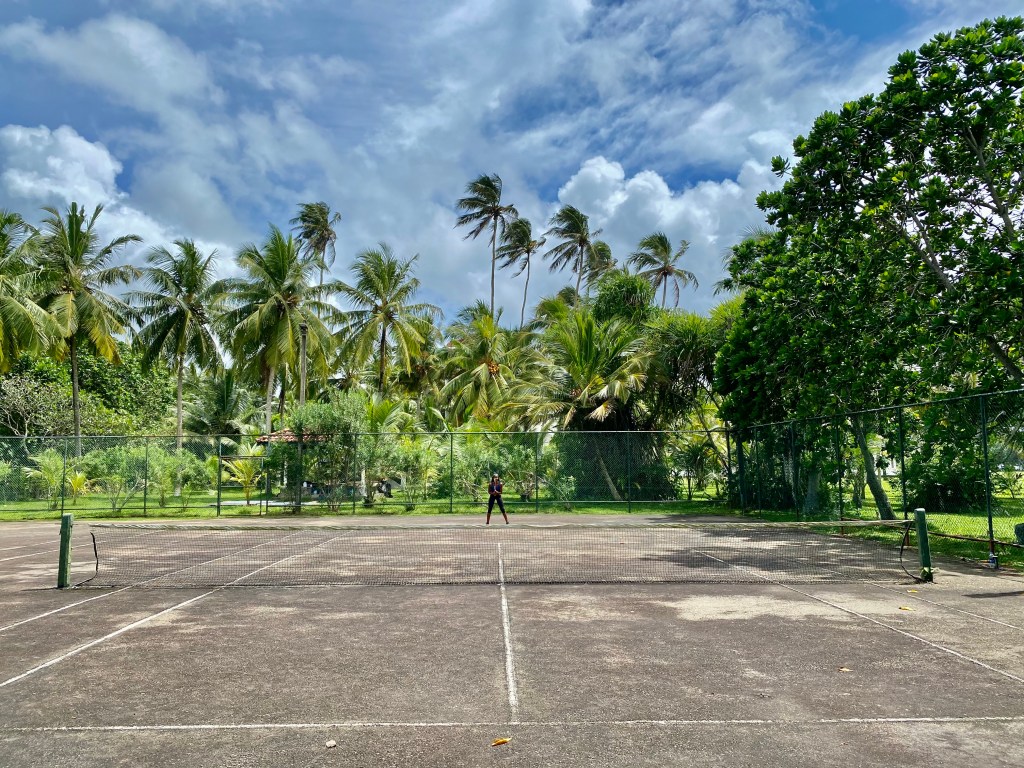
Towards the end of the quarantine, I felt a bit like a caged lion. I was absolutely itching to get out and broaden our Sri Lankan horizons. When the day finally came it was quite surreal. We bade our farewells to the bats and monitor lizards (and staff who had looked after us so attentively) and made our escape.
Weligama: 17th – 31st October
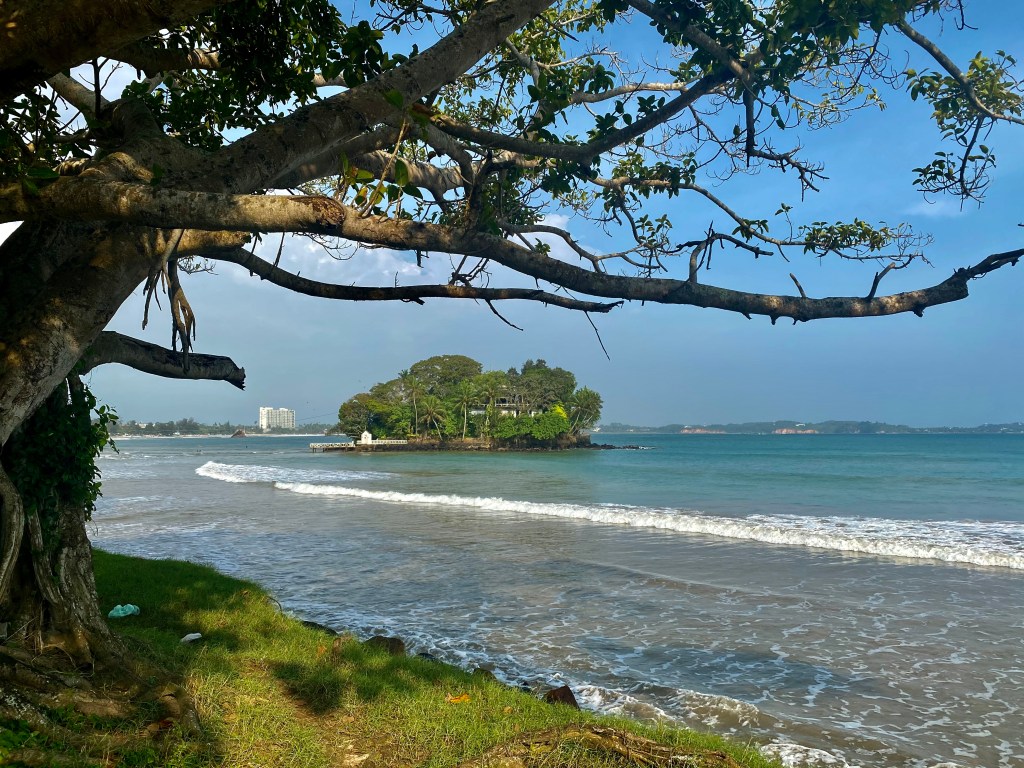
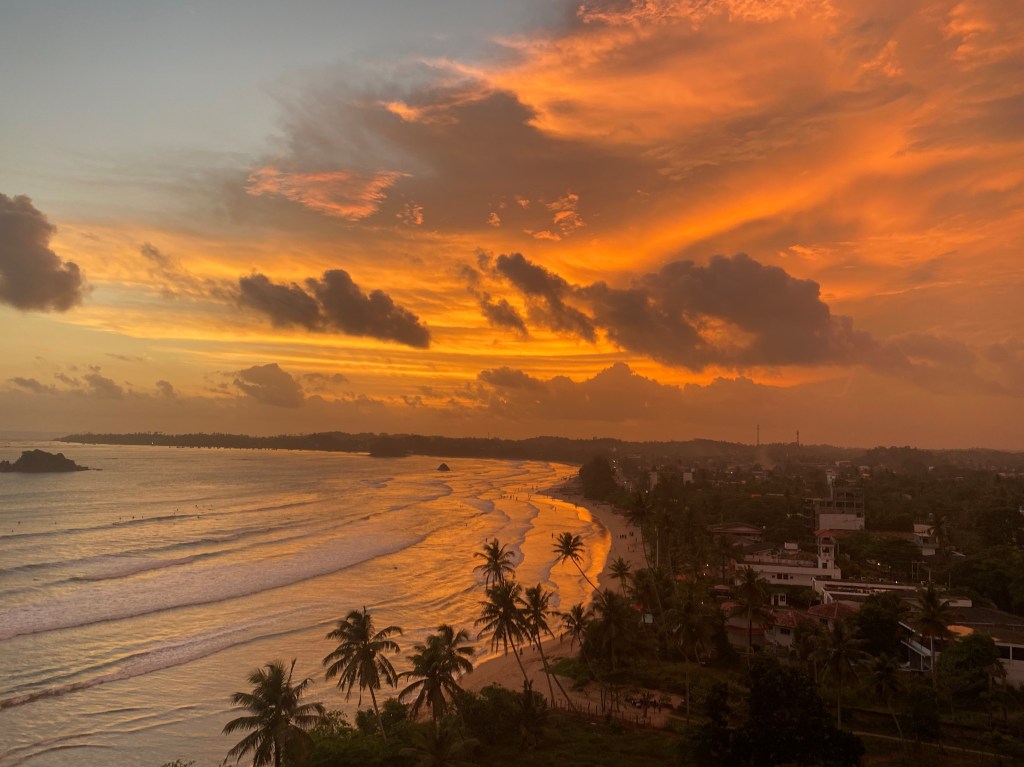
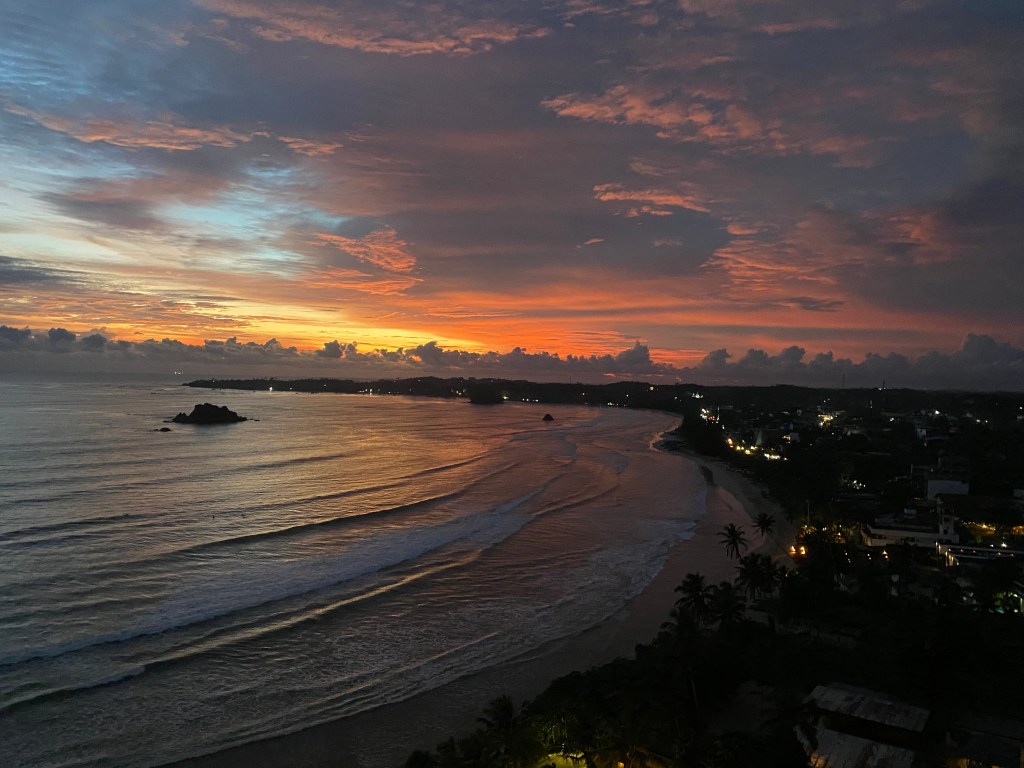
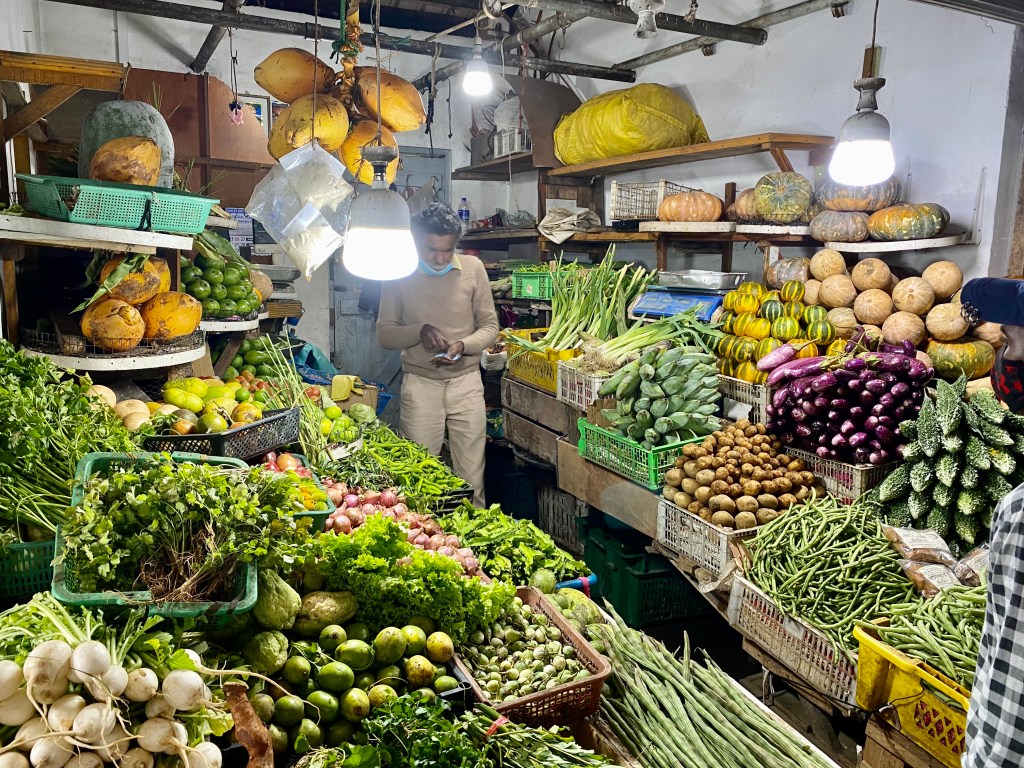
After our quarantine, we were so desperate to get out and see Sri Lanka we didn’t hang around to check out Bentota even for a day. On our ‘release date’, we organised a taxi to take us down to Weligama, a beach town which had been recommended to us. It was really quite liberating to leave the grounds of the Taj for the hour’s drive down the south west coast and, as soon as we left, we realised it wasn’t just the Taj’s gardens that were bursting with wildlife. One of the most striking things about Sri Lanka, right from the outset, was how lush and green it was. To reiterate, anything that wasn’t a building, road or beach was overflowing with an abundance of plant life, be it tropical flowers and palms or, where cultivated, an incredible array of fruit and vegetables.
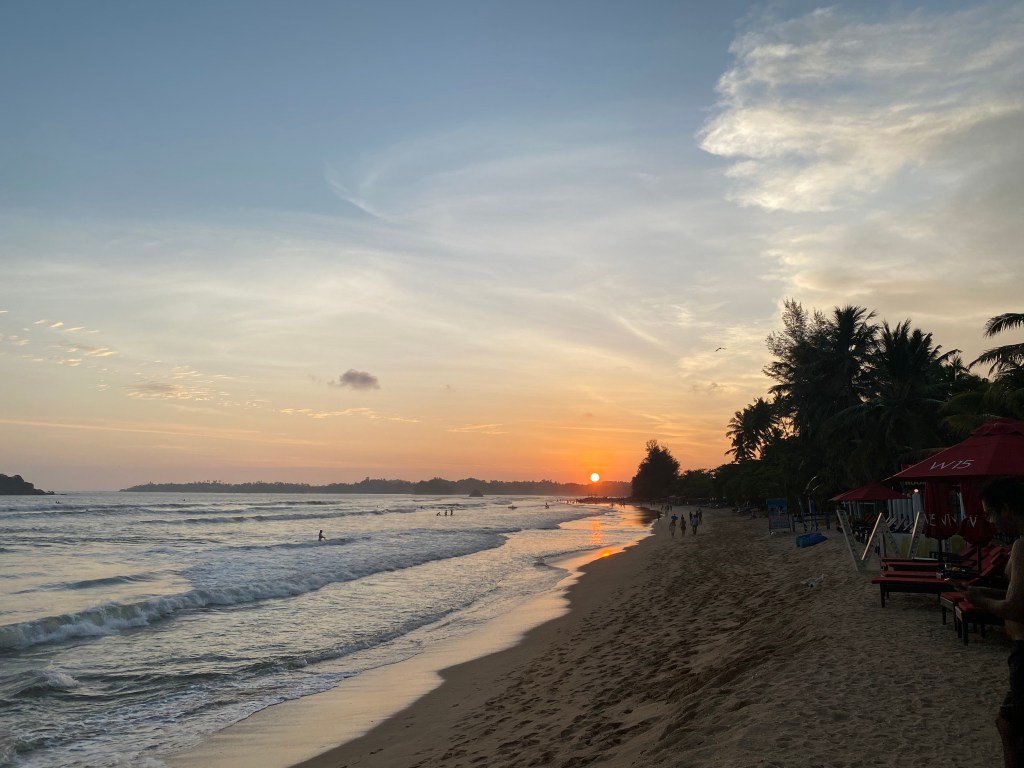
We thought we might be nearing Weligama when guesthouses and bars started popping up either side of the coastal road and we started seeing the odd surfer paddling out over the waves.
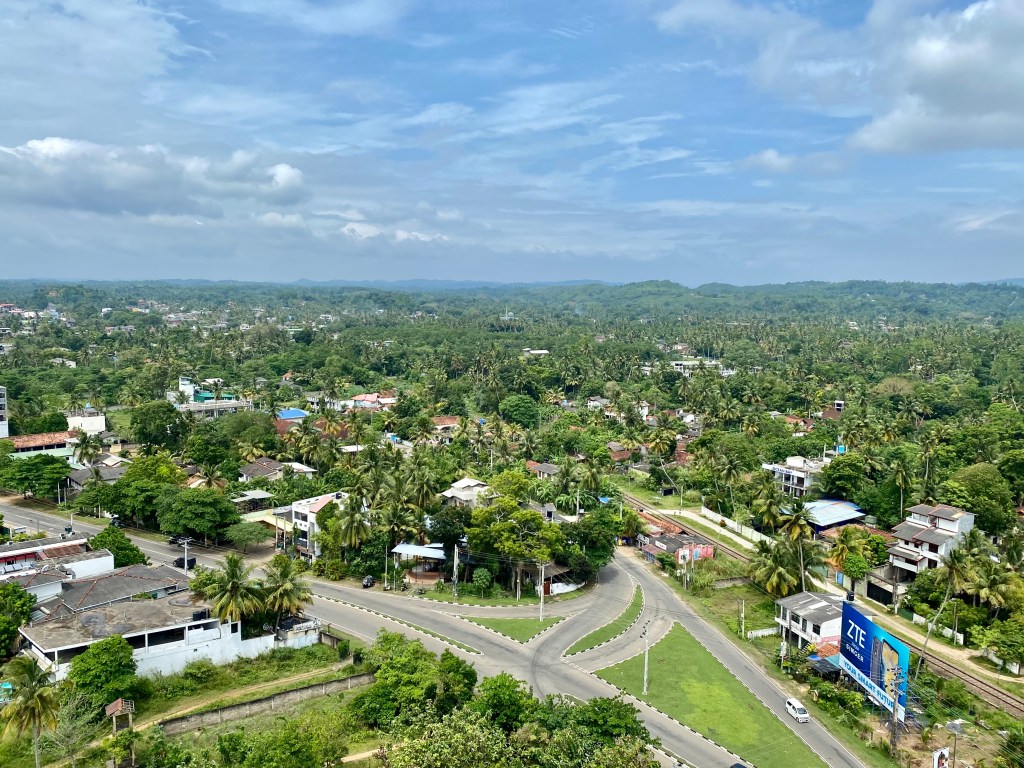
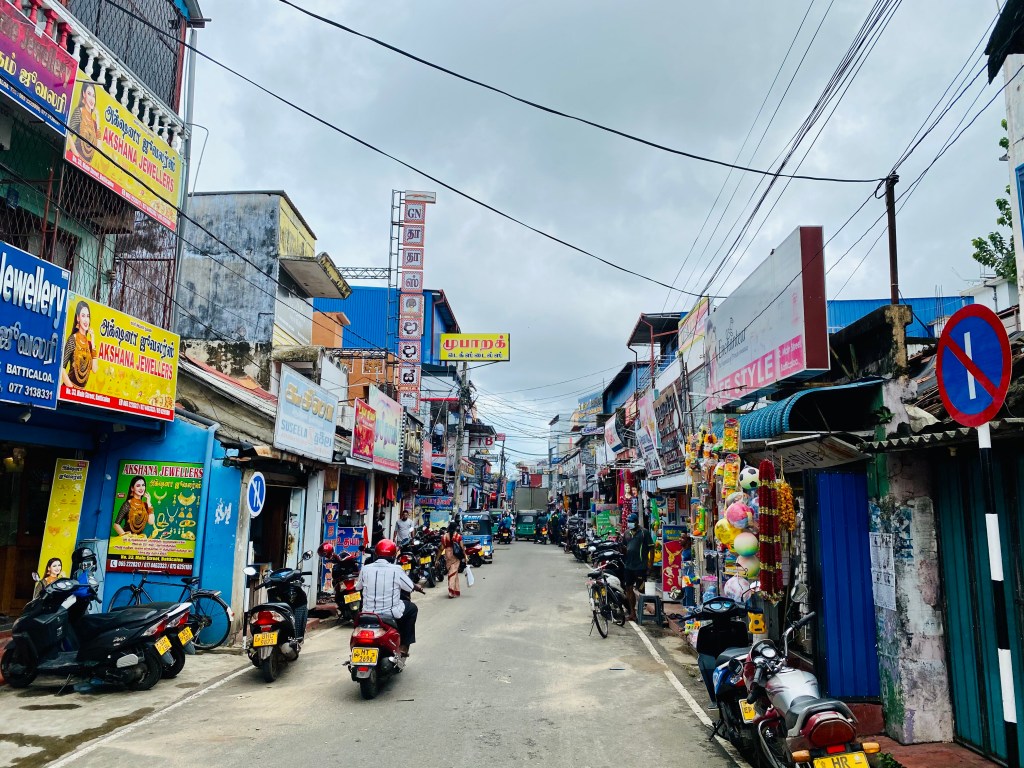
As well as a beautiful long beach which spans the entire cove we also enjoyed numerous visits to Weligama town, sometimes out of necessity but often just to break up the day, to have a look around. The main part of the town is squeezed between the seafront and the meandering river. Weligama has a shop for virtually everything. The Sri Lankans seem to have a talent for illusion – making things look a lot smaller than they actually are.
It was in Weligama we got properly acquainted with the king coconut: an orange-coloured coconut which sat in bunches outside of most small shops. Some roadside stalls exclusively sold king coconuts. After we ordered one, the shop owner would come outside with a foot-long machete and hack the top of the coconut, pass it to you and wait while we drank the tasty water. We then passed it back to the shopkeeper who then chopped it in half and cut a little ‘spoon’ from the outside edge of the coconut to scoop out the flesh inside.
After two weeks in Bentota, the last thing we expected to do was spend two weeks in the first place we landed after we left, but we found little reason to leave Weligama – or at least leave quickly. It was pleasant to have settled somewhere where we had the option to leave whenever we pleased or at least to go out for dinner. Having had our first taste of freedom, it also gave us time to plan a route around Sri Lanka which incorporated all of the things we wanted to see.



Roadtrip: 31st October – 23rd November
After two weeks in quarantine and two weeks in Weligama, it was time to explore. As much as we tried to hire a car to have a look around ourselves, it seemed to be actively discouraged by anyone and everyone we spoke with. One company even offered us a car with a tour guide / driver for substantially less than it cost to drive the car ourselves. So that was that and two days after speaking with the rental company, Ravi turned up in our tour car! After piling everything in to the car and getting acquainted, we all jumped in and were off, first stop Nuwara Eliya.
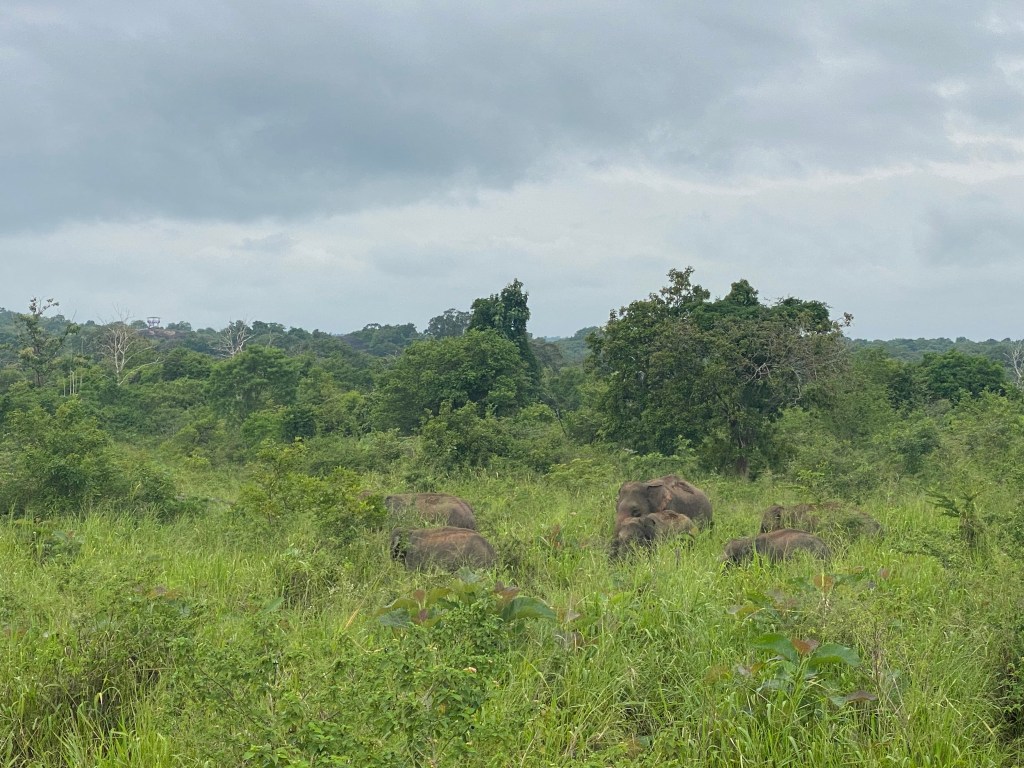
It was actually quite pleasant to be driven, particularly given the Sri Lankan roads have their own set of fairly idiosyncratic rules (see Roads section). We drove east along the south coast for at least an hour, with unbroken beautiful beach the whole way, before heading inland for the first time since we arrived four weeks prior. The first hour or so driving north was fairly unspectacular. Clearly we had lost the beach as a focal point and the road inland was mainly straight through the jungle. After this first hour, jungle gave way to paddy fields and a profusion of wildlife, mainly exotic birds but also water buffalo and elephants! After a fairly monotonous hour of seemingly endless palm trees, we were ready for some excitement, and Sri Lanka did not disappoint.
As this was our first taste of Sri Lanka’s incredibly diverse wildlife, we were tempted to stop and take stock but Ravi wanted to plough on as we were only half way through the six-hour drive to Nuwara Eliya and rain was forecast.
Another two hours later, there were very few palms around. They had given way to a preponderance of deciduous trees. Ravi explained their autumn took place in April and by May the trees would have no leaves on them – this was quite difficult to get our heads around.
Nuwara Eliya
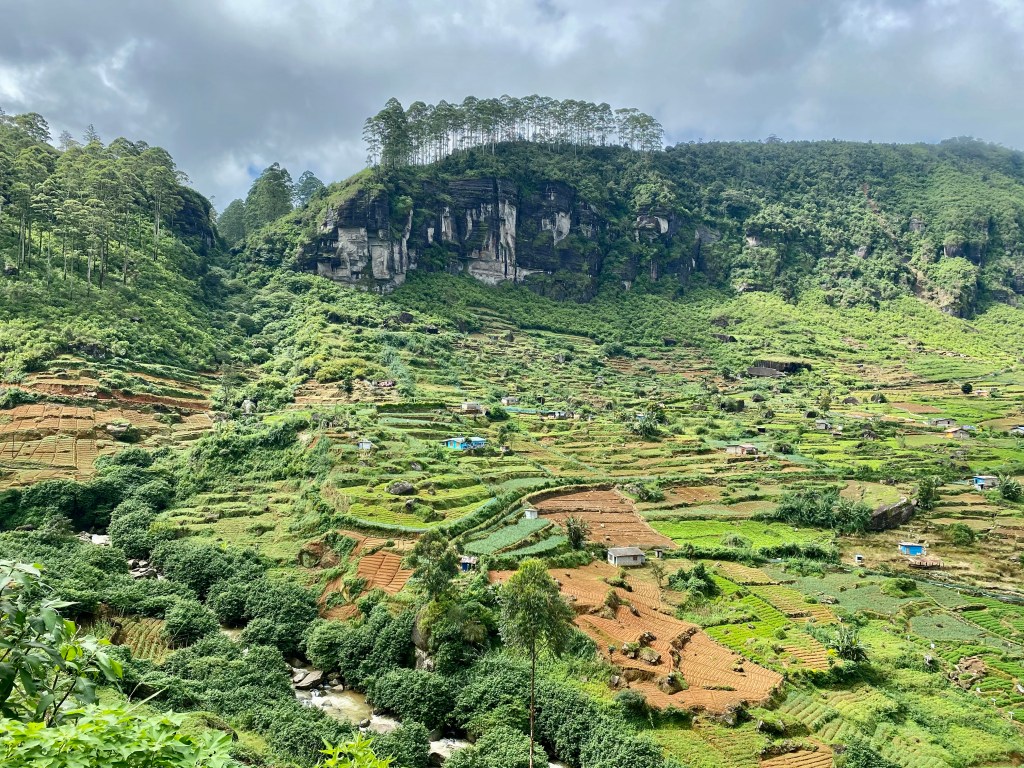
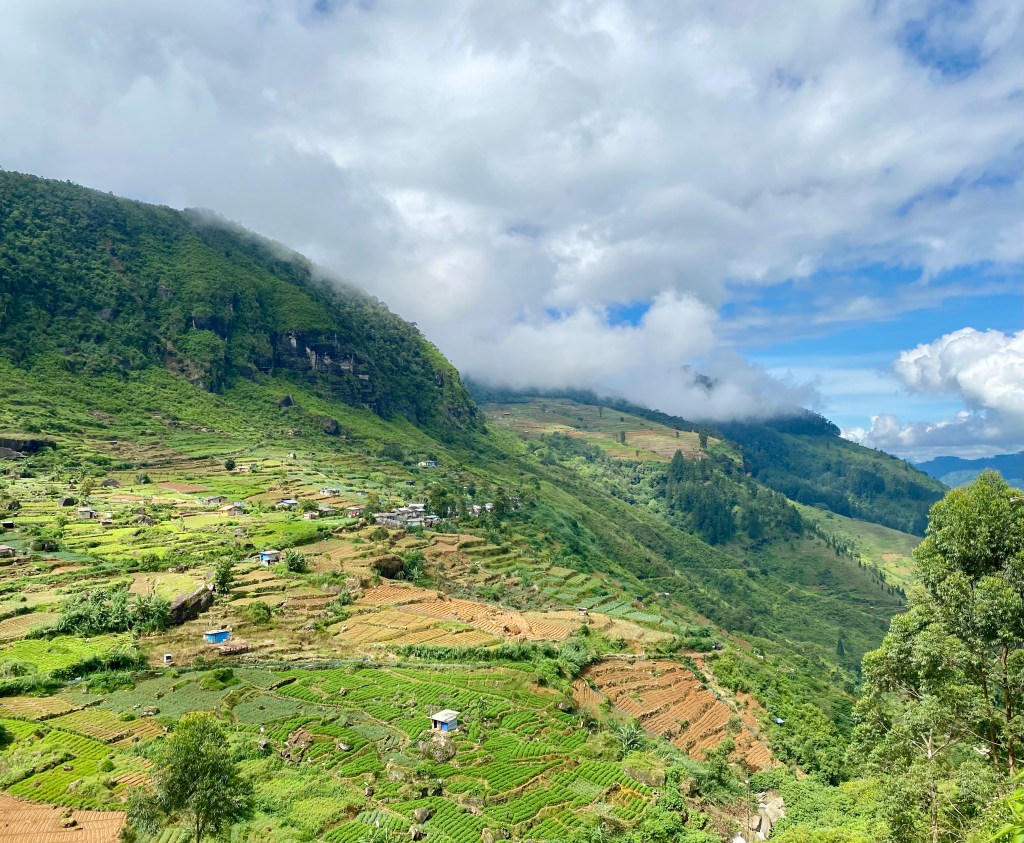
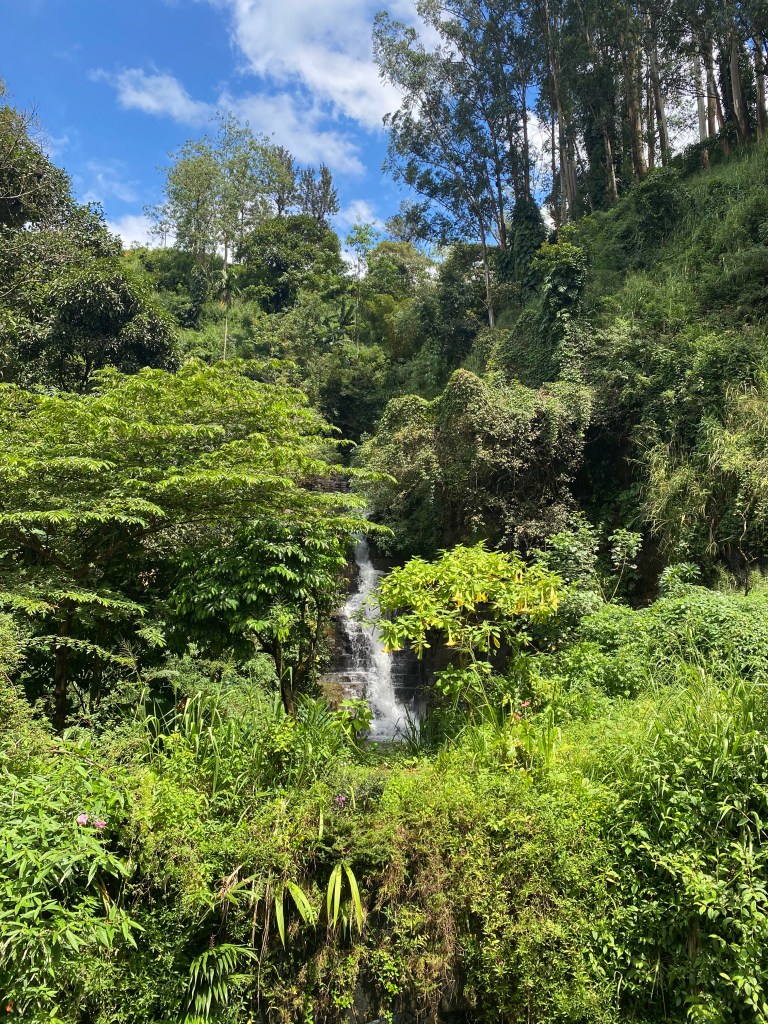
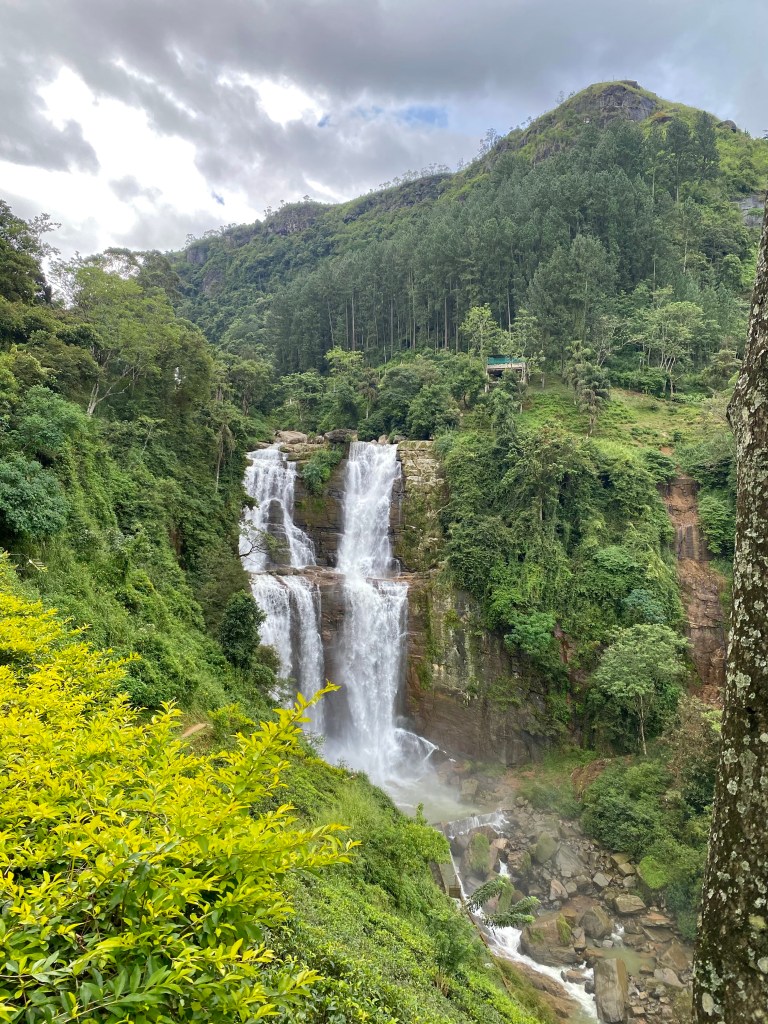
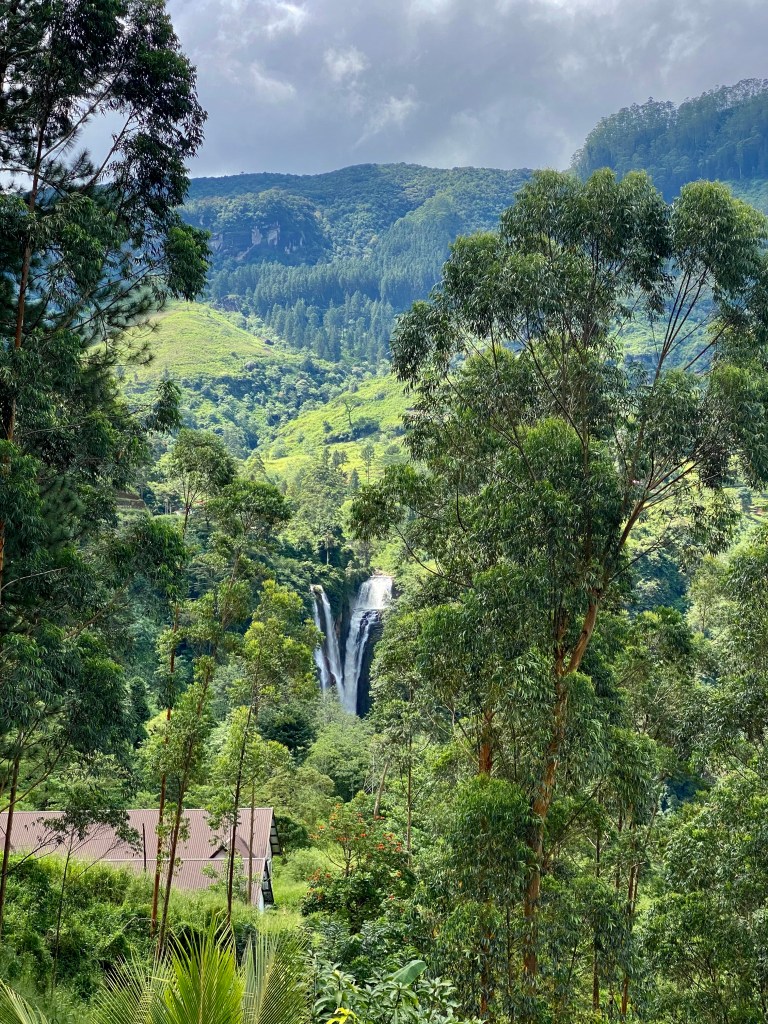
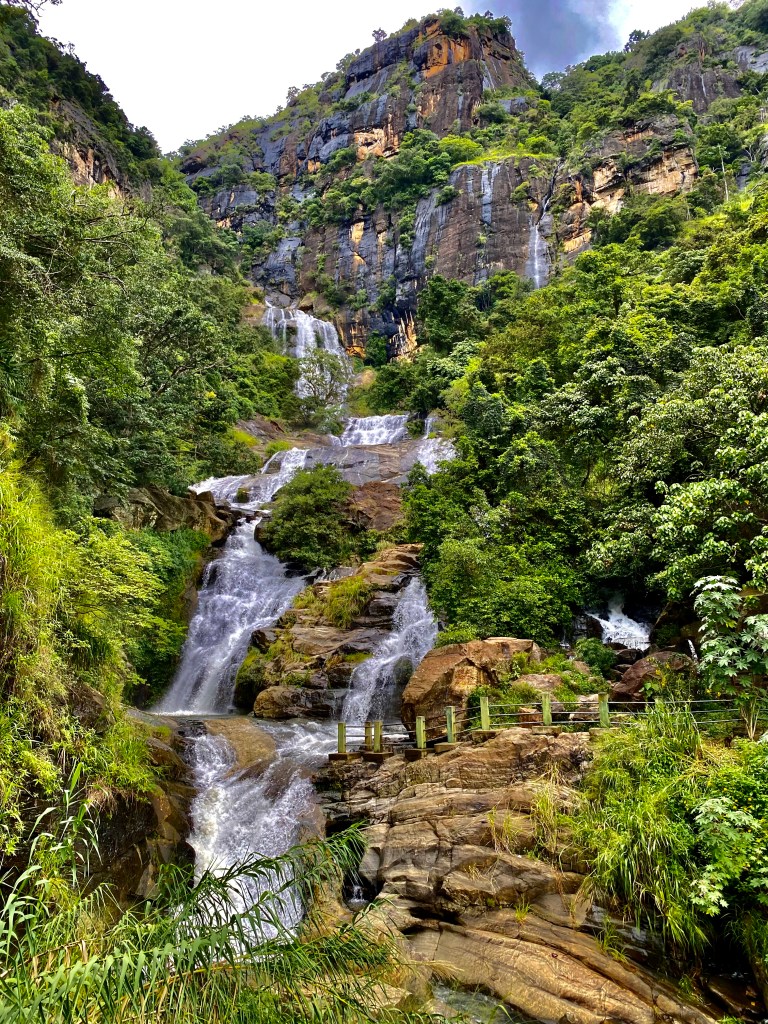
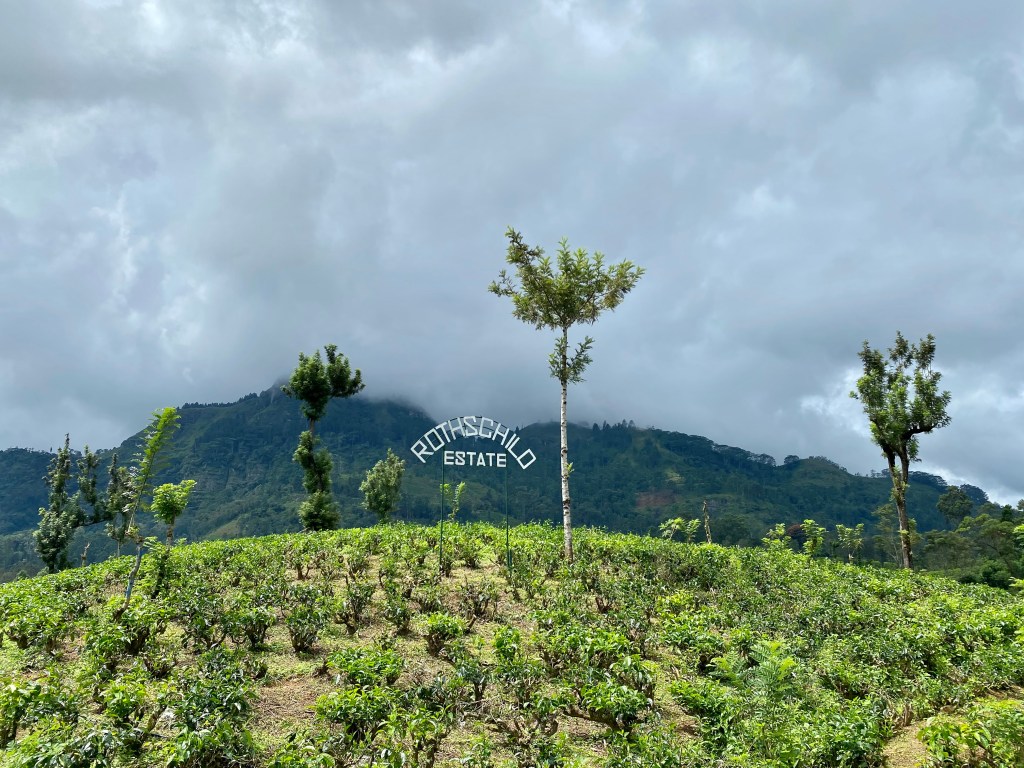
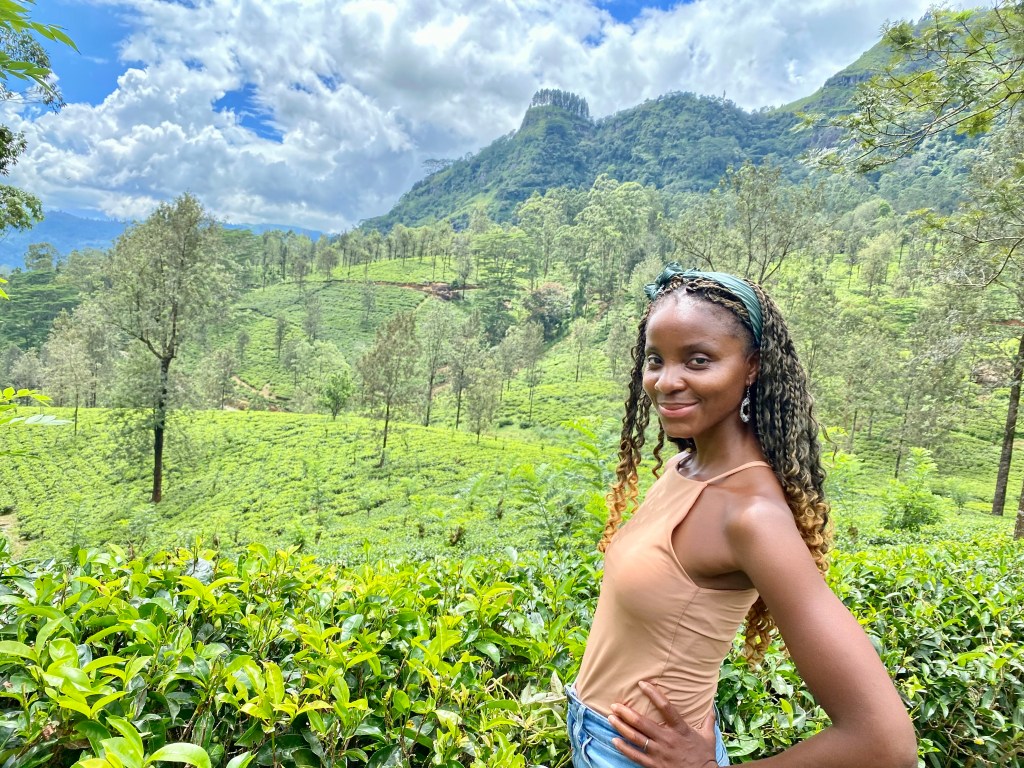
It was difficult to believe we were on the same island (although the English countryside is equally as diverse in fairness) when we left our hotel and went exploring. We had thought the coastal areas were lush and bountiful. But ‘upcountry’ (as the Sri Lankans called it) took things to a new level. There was fruit, vegetables and tea being farmed everywhere that was relatively flat – and where it wasn’t the industrious farmers had created steps of land to farm. Everywhere else was either lakes, waterfalls or jungle. The only thing missing, as a result of the lack of palm trees, was the king coconut which we had become accustomed to drinking and eating every morning.

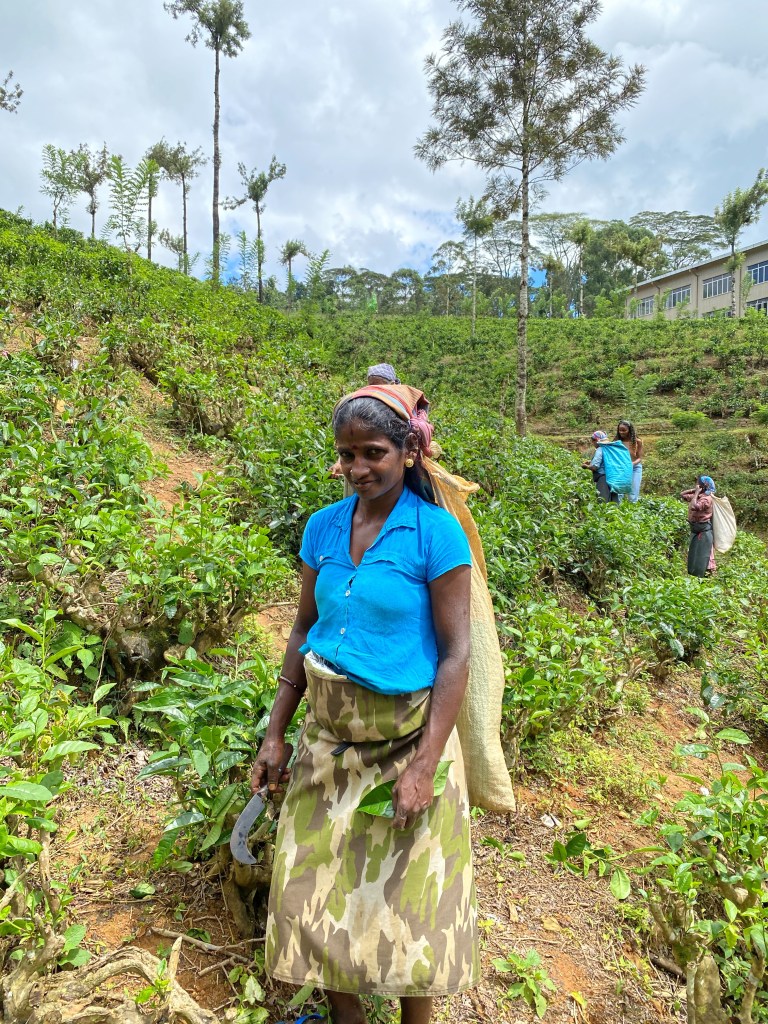
Ravi informed us that nearly all of the tea pickers are Tamil as they (in the main) are a cheaper resource for the plantation owners. The Tamils are also segregated to a reasonably significant degree – probably to keep them living less prosperously than the main population and consequently grateful for their jobs on the tea plantations.
Kandy
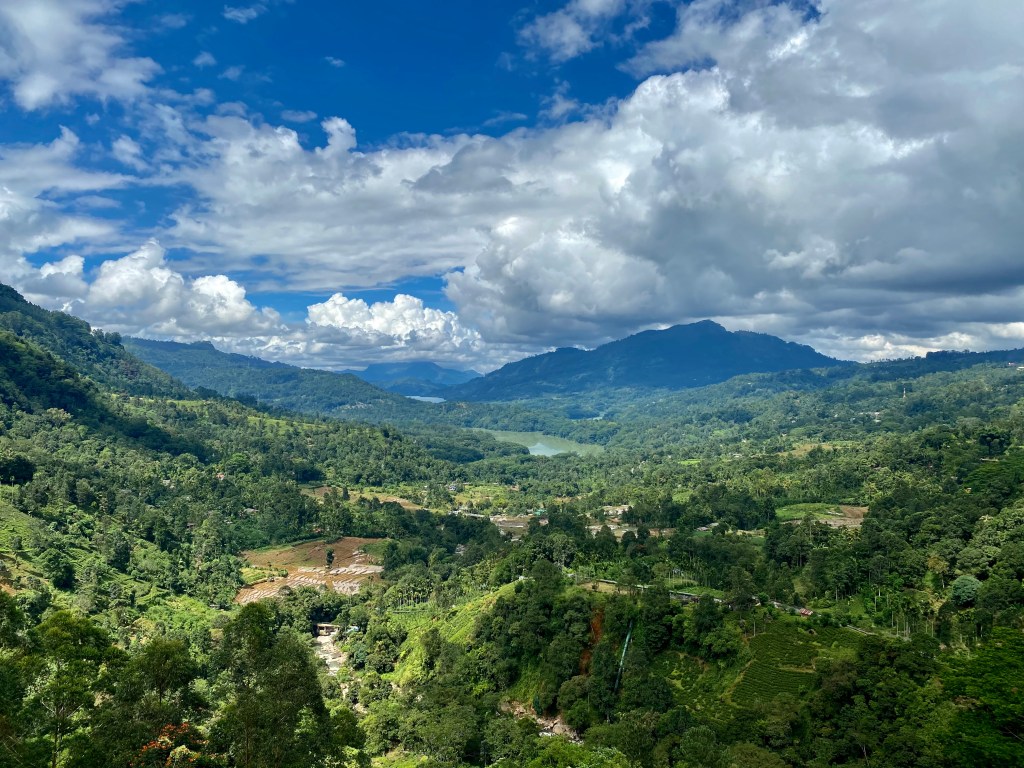
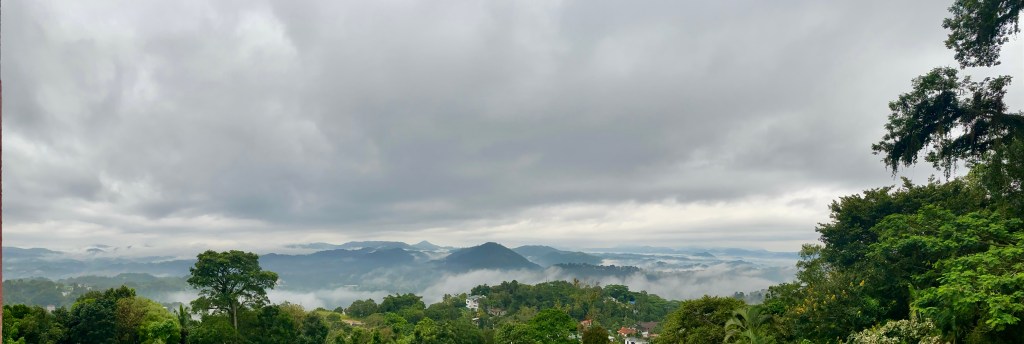
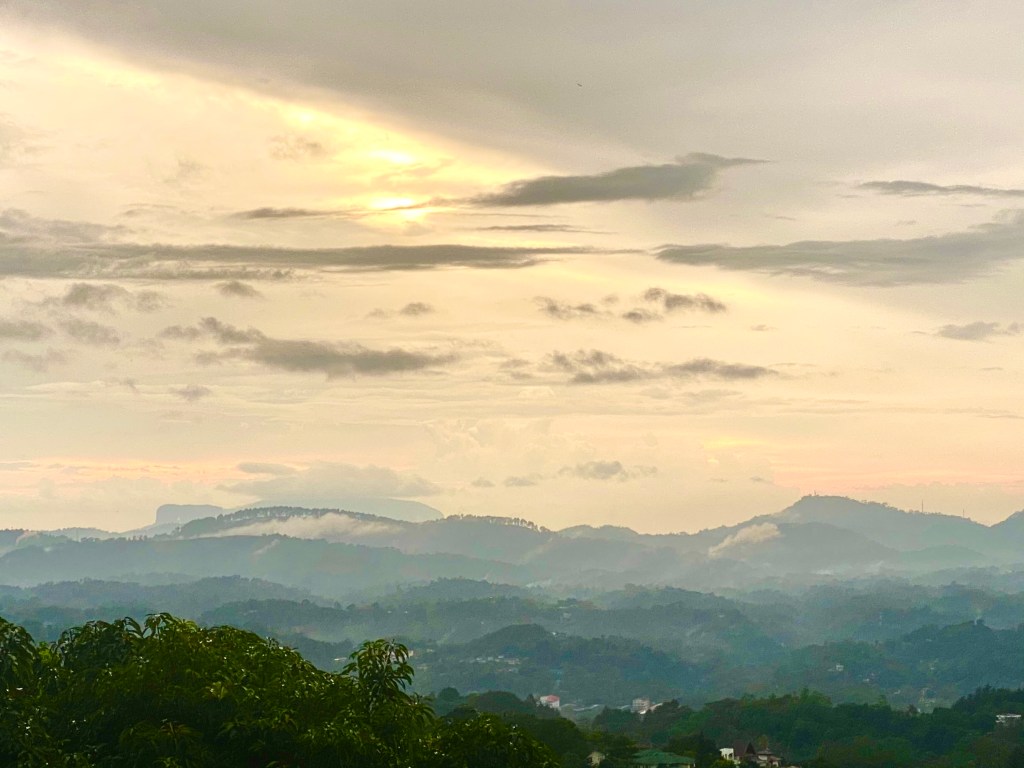
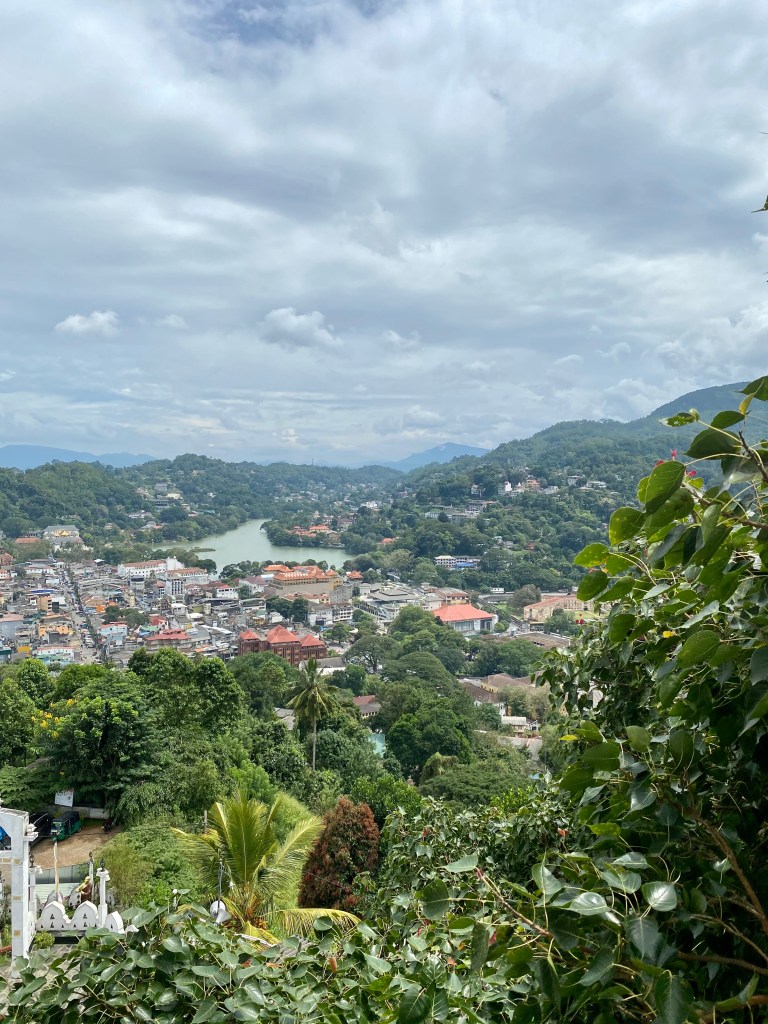
Kandy is the main central conurbation. It is favoured by wealthy Sri Lankans and westerners because of its cooler climate and gorgeous scenery (as we travelled more we also thought it may be favoured by westerners as it’s one of the few towns and cities one can pronounce at the first attempt).
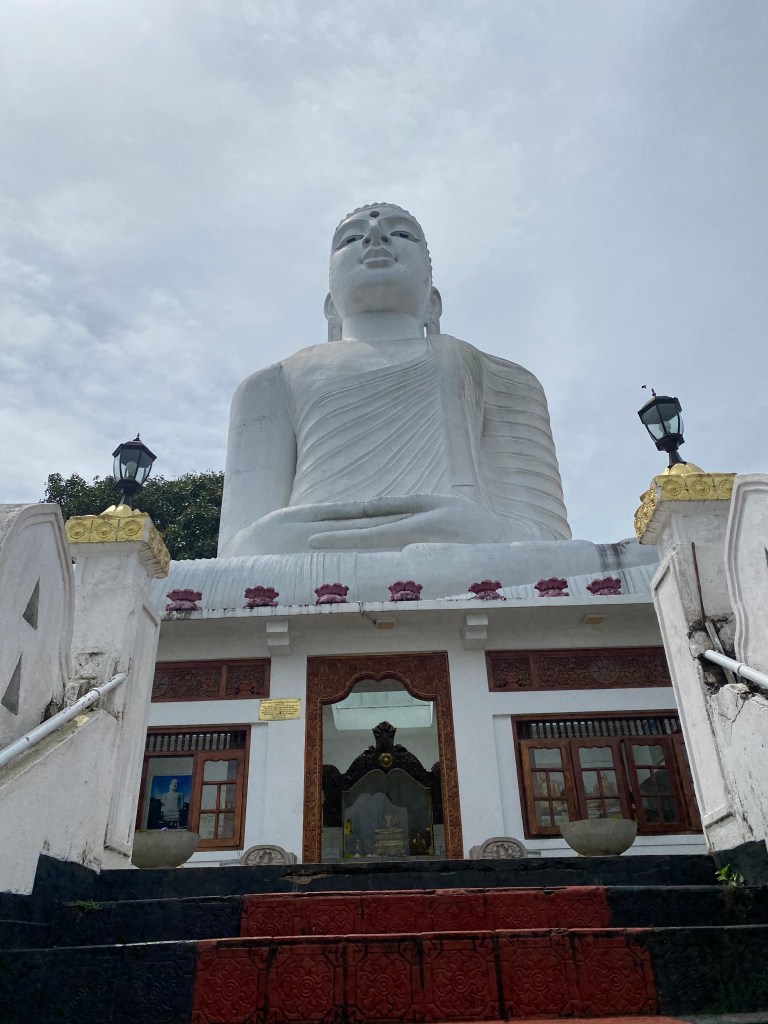
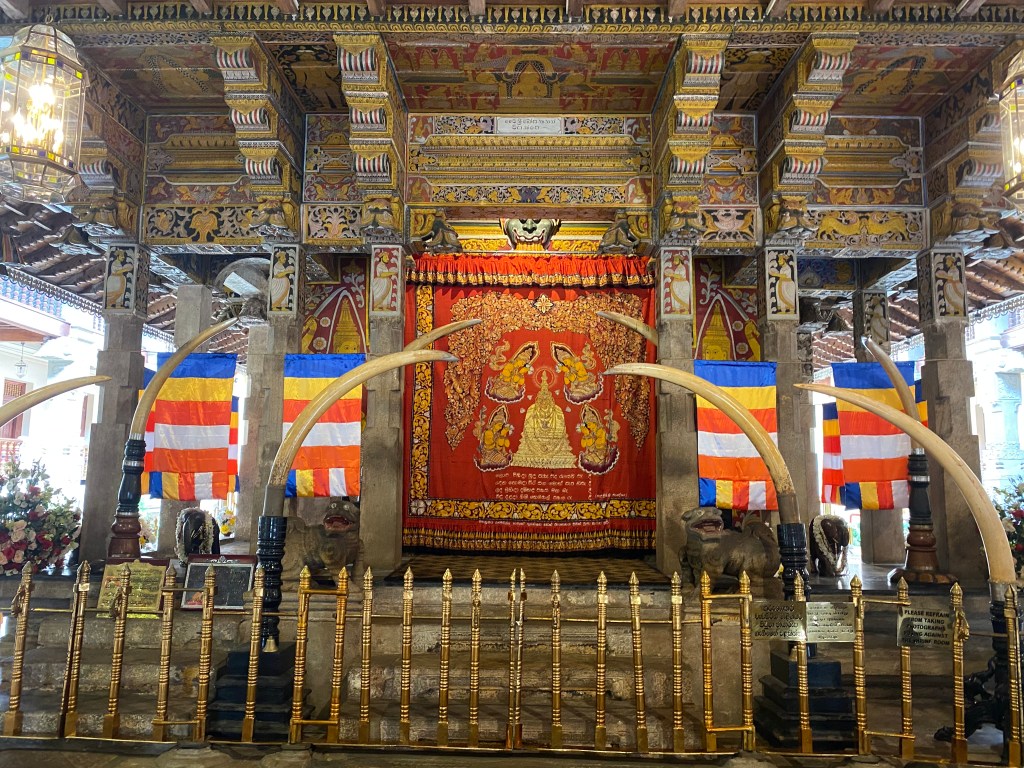
We saw a few things in Kandy, but the Temple of the Tooth Relic was by far the most ornate and interesting. The story is not a short one, so I will defer to Wikipedia for anyone who is interested: https://en.wikipedia.org/wiki/Temple_of_the_Tooth

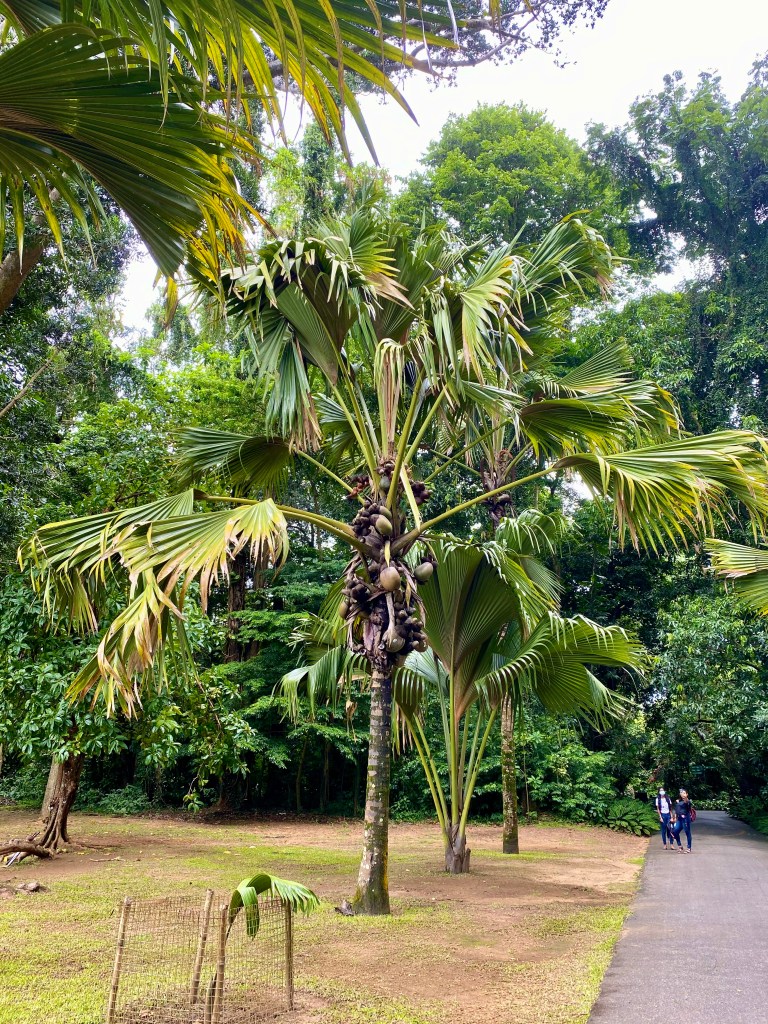
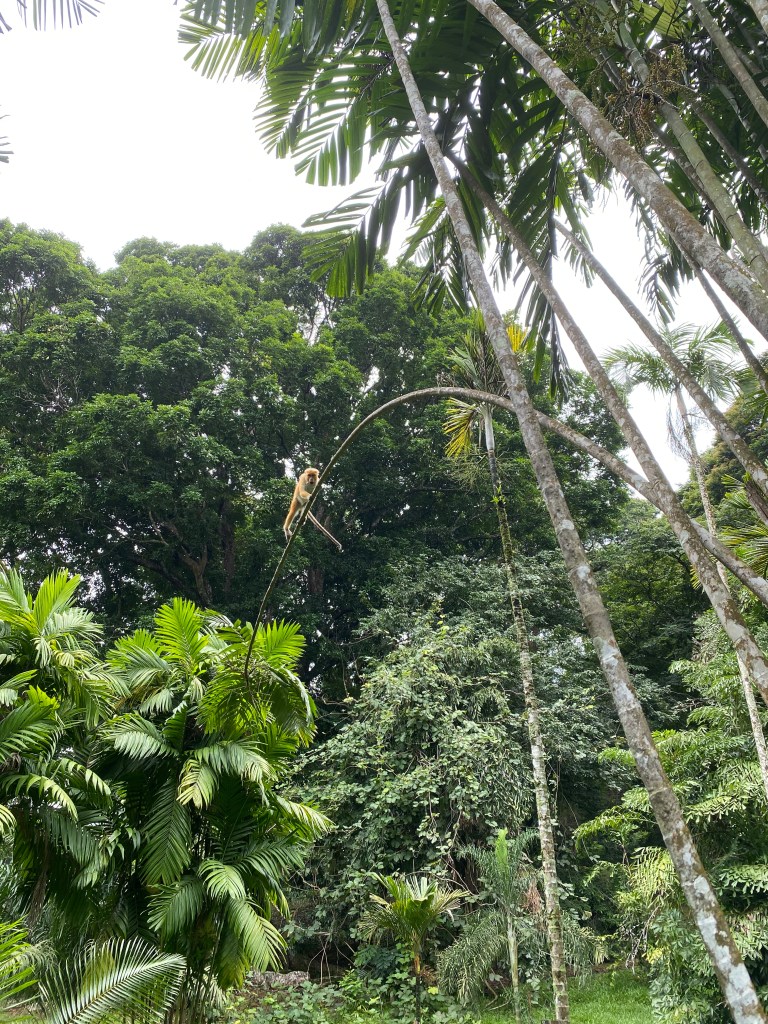
The Royal Botanic Garden was lovely and serene, away from the hubbub of the city and the tuk tuks hoots, but the weather was really starting to change on us. We managed to see the whole estate before the heavens opened and we cowered back to the car to head back to the hotel.
Habarana

Dambulla: Buddha Cave
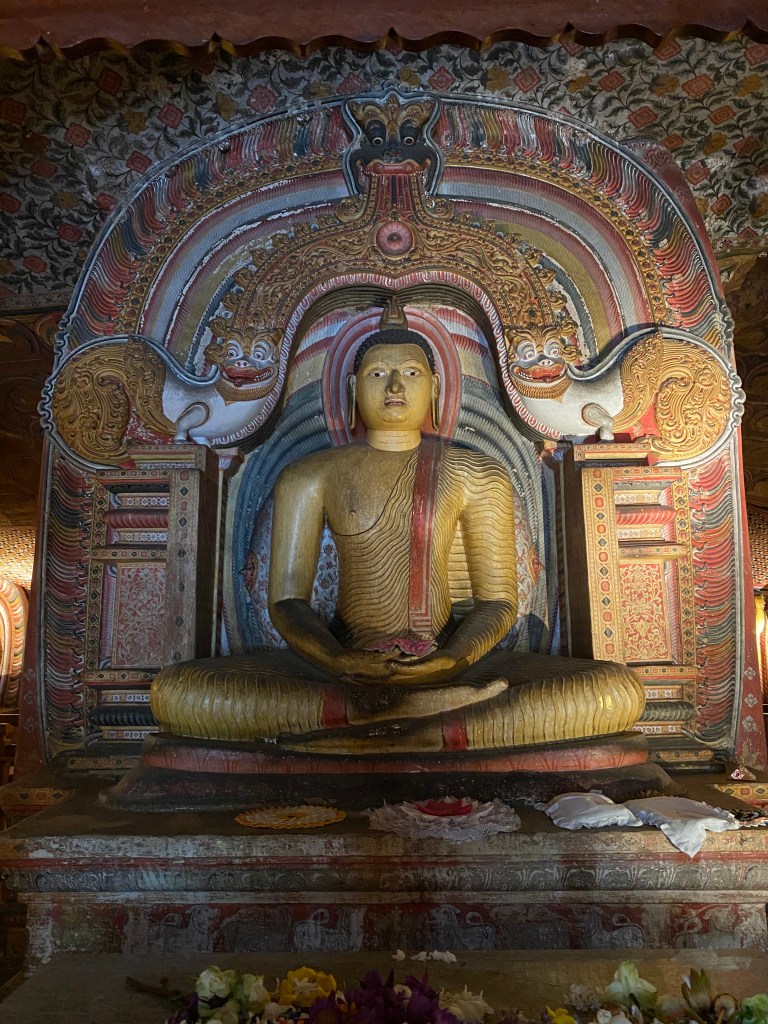
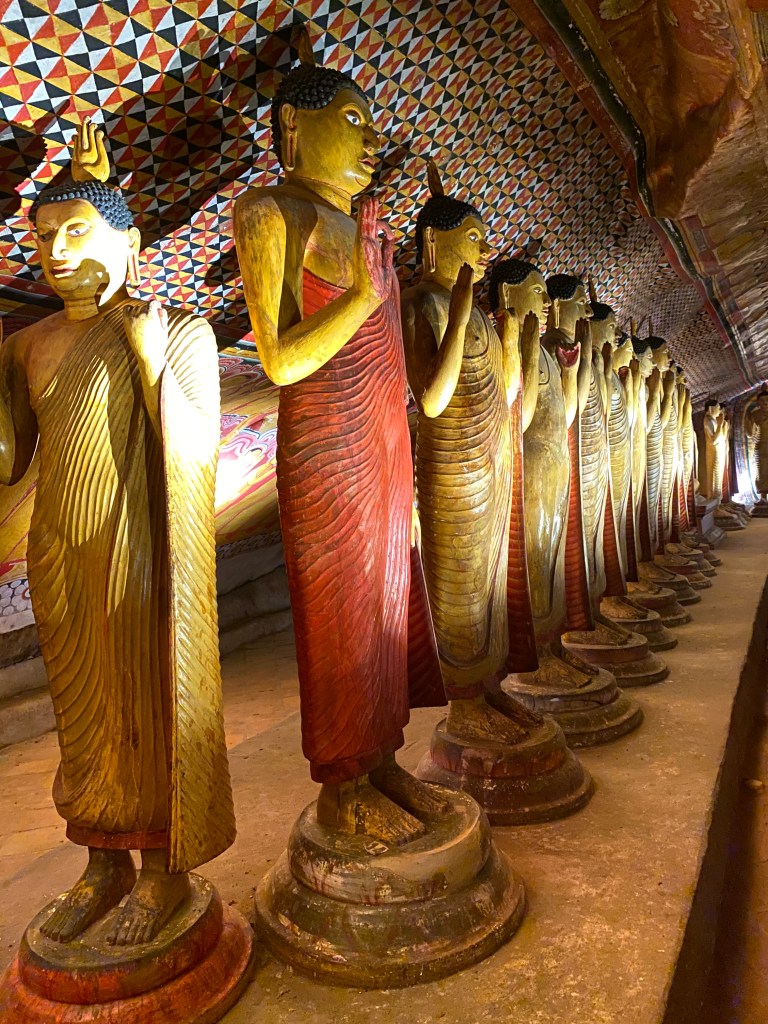
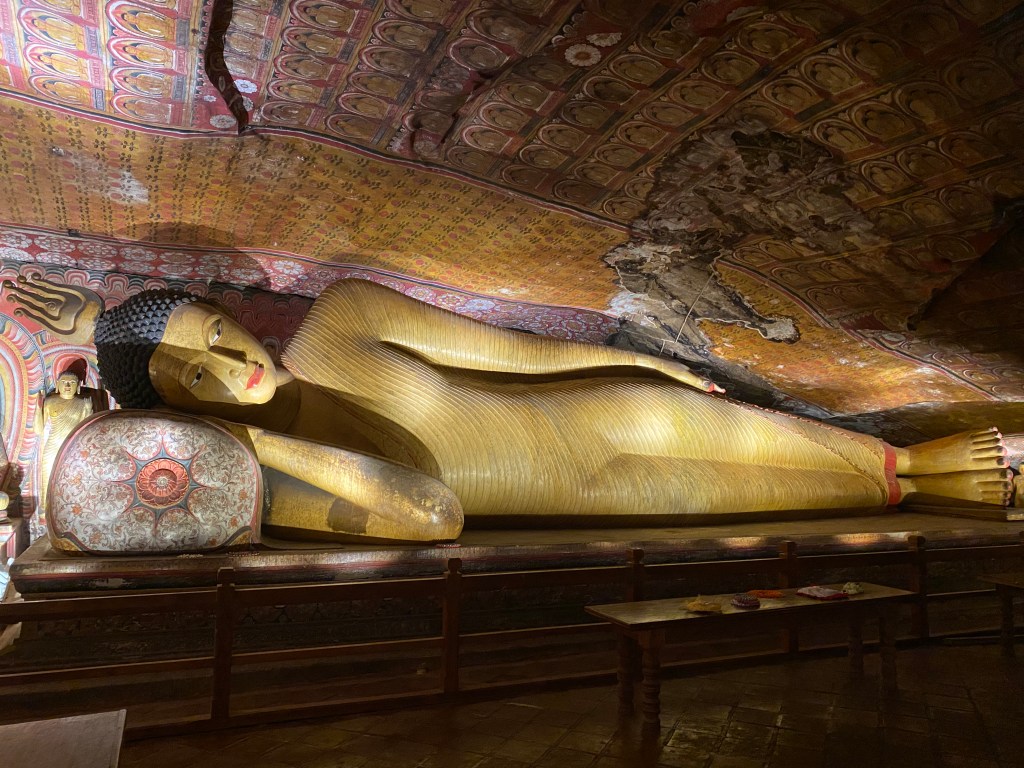
Dambulla is virtually in the centre of Sri Lanka and a few miles outside of Habarana. The cave site is up several hundred steep steps which, in extremely debilitating humidity, left us both fairly moist by the time we reached the cave site. Apparently the site started being inhabited by Buddhists more than 2,000 years ago and many of the relics – which have been restored – are more than 1,000 years old.
Sigiriya: An ancient rock fortress
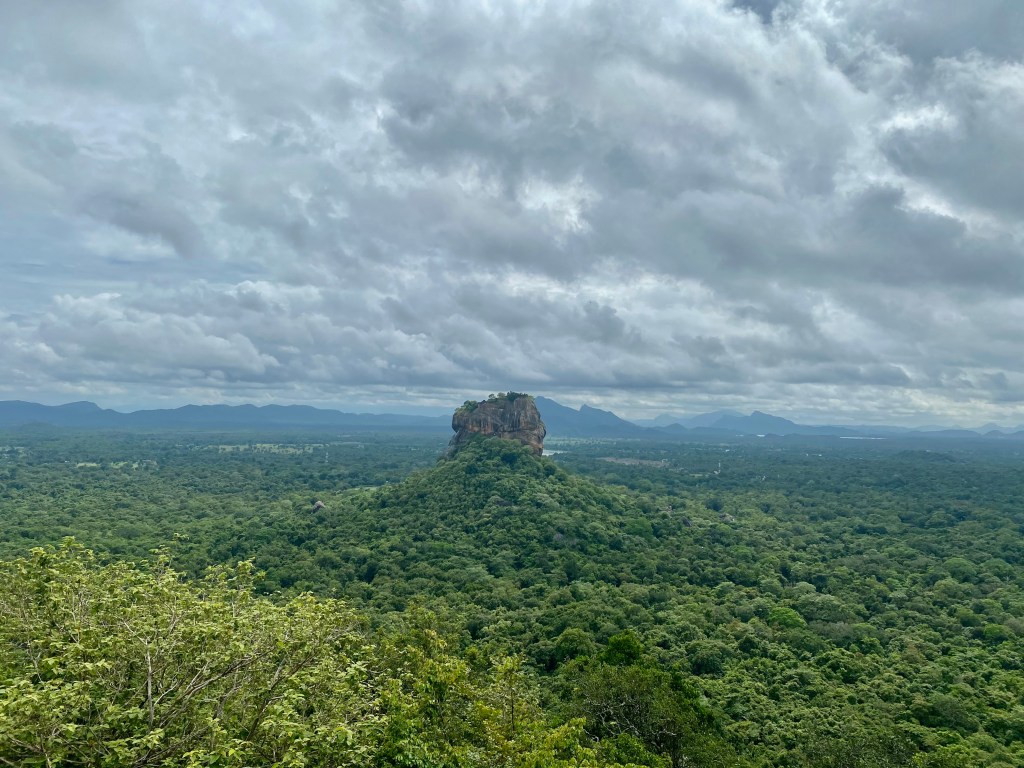
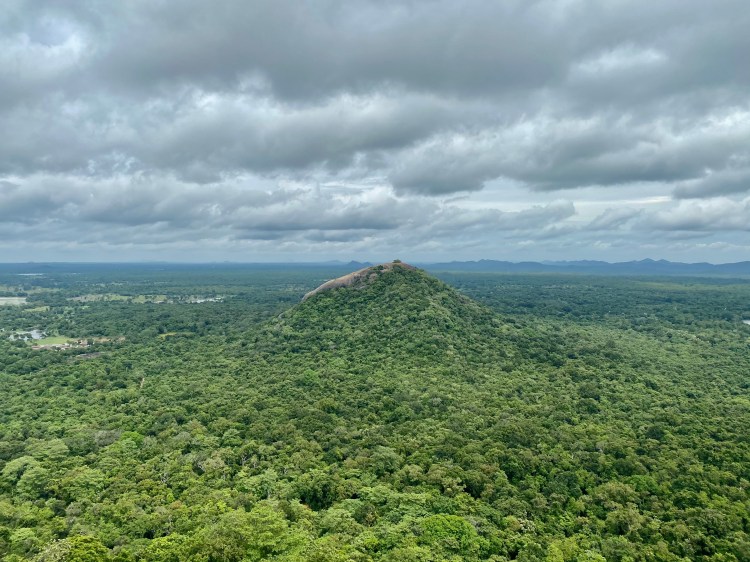
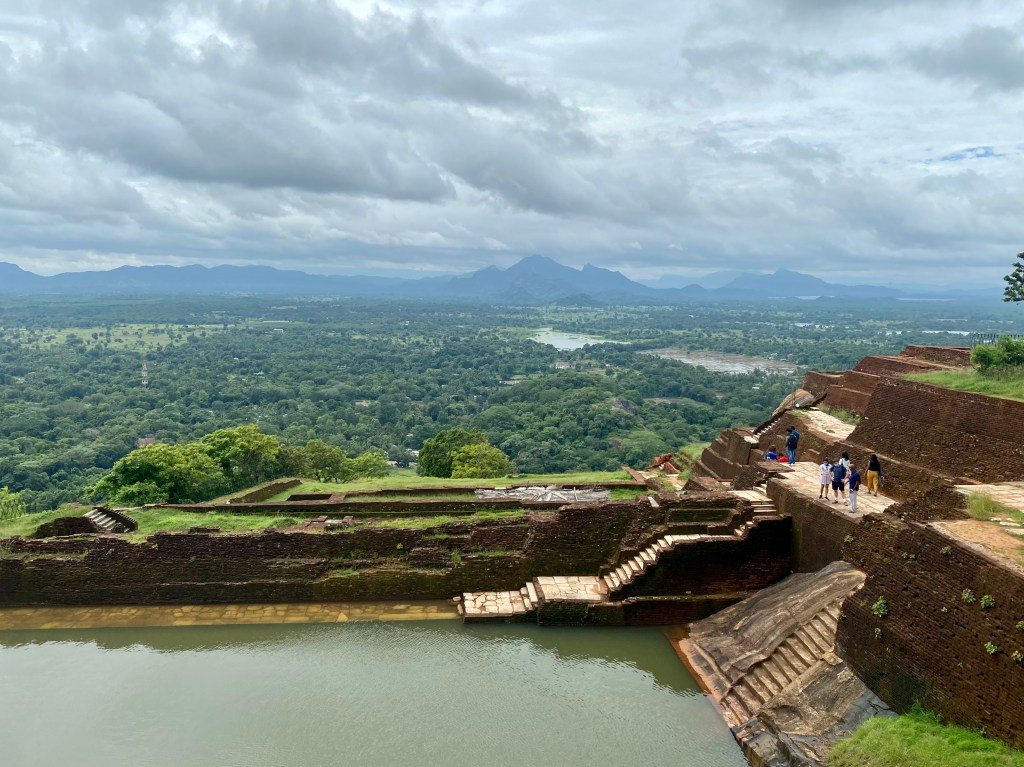
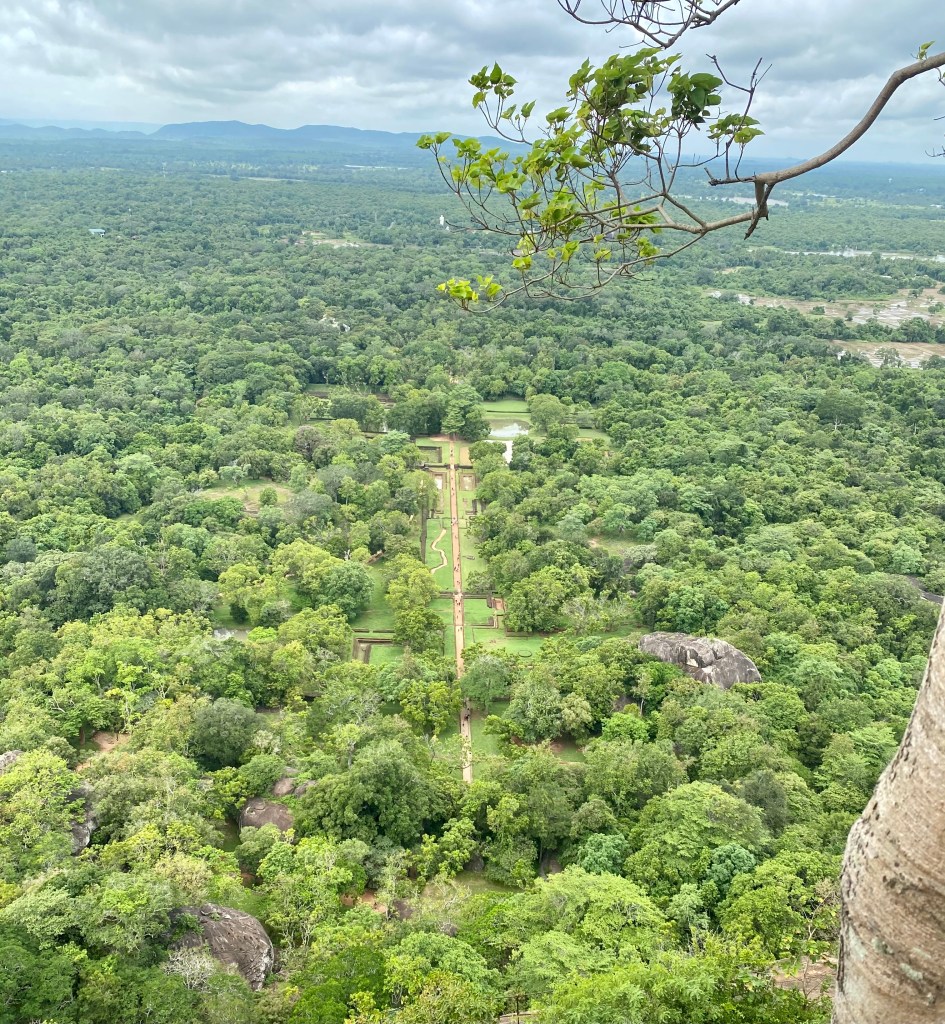
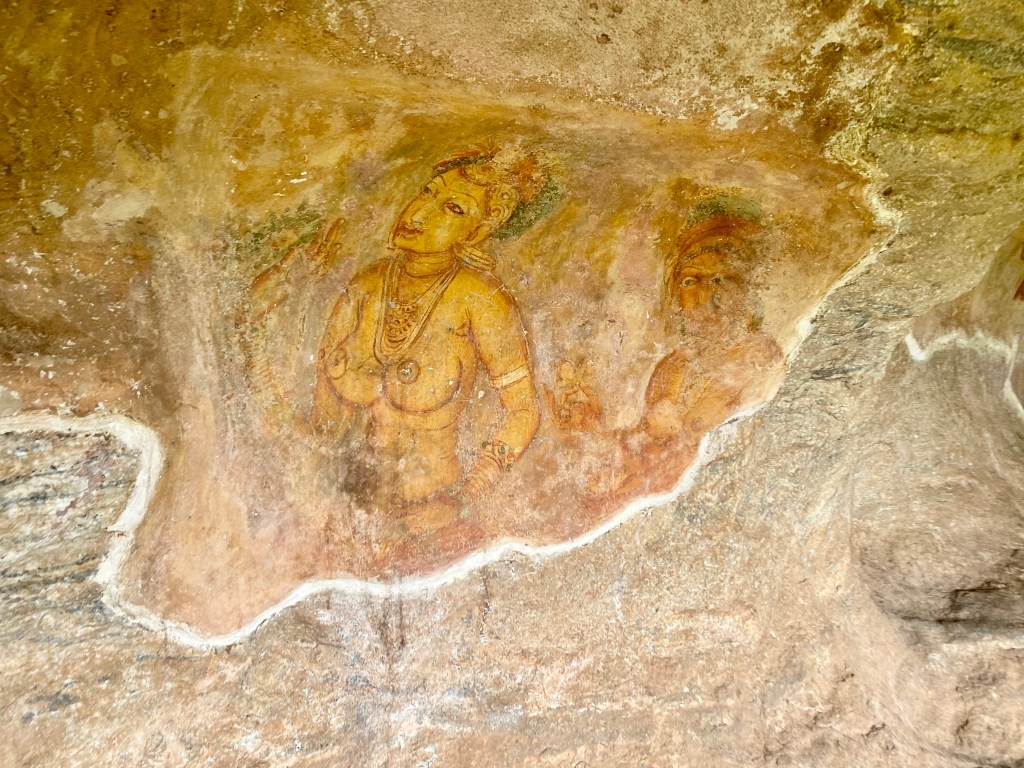
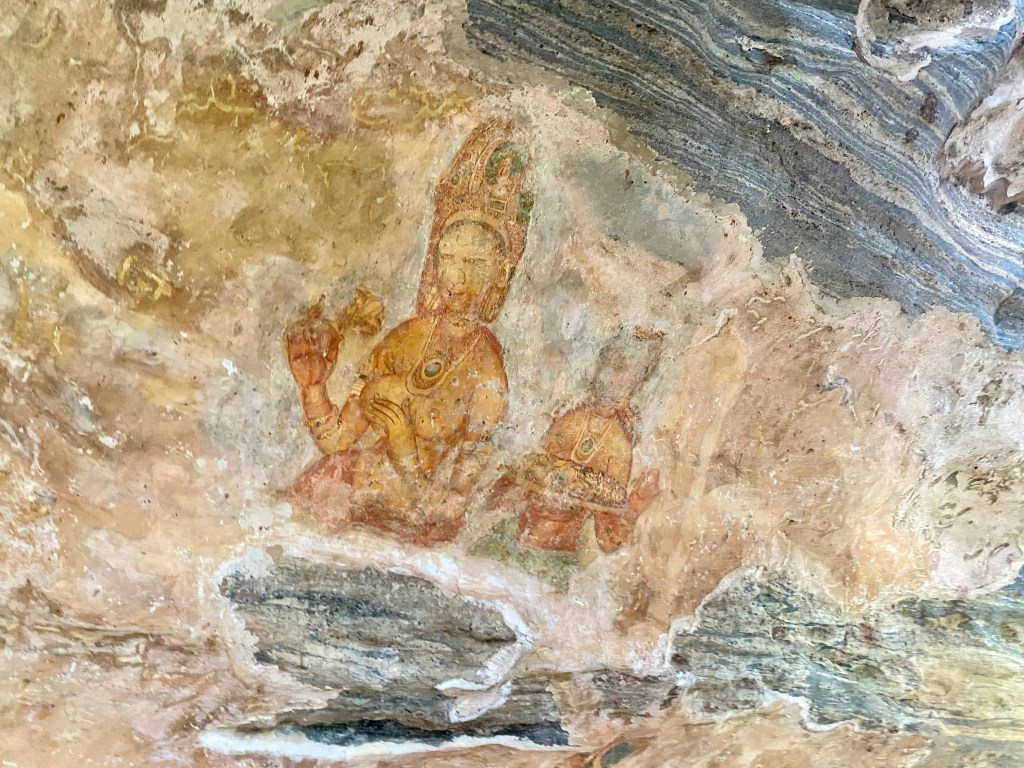
Sigiriya is a sight to behold. It can be seen from many miles away from all directions and is probably Sri Lanka’s flagship tourist attraction. Needless to say, Sri Lanka was less busy than usual, but this did not stop it being incredibly busy. It was lovely to see so many Sri Lankans flocking to such a mesmerising and historically significant fortress. Frustratingly, it was one of the places the deteriorating weather made taking photos which did the beauty of the site difficult (particularly since I only have an iPhone). Check out https://www.istockphoto.com/photos/sigiriya for some fabulous photos.
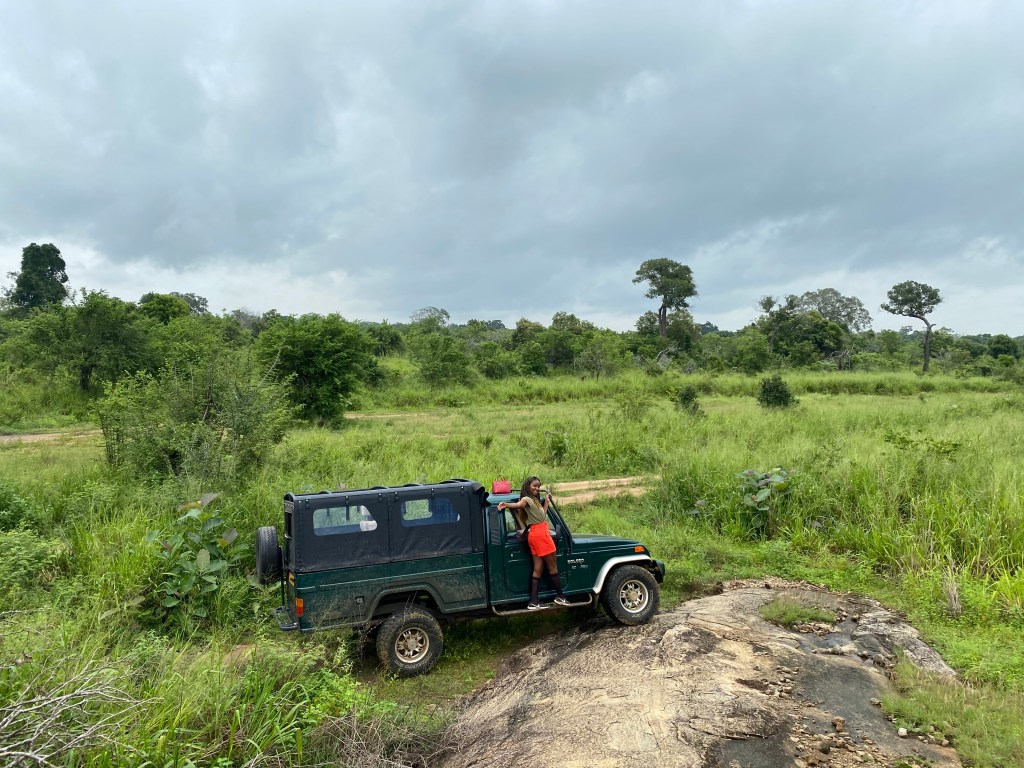
Safari


Trincomalee
During the early days of our Sri Lankan chapter, a friend of mine had messaged me to explain his grandfather was stationed in Trincomalee during the Second World Ward so I thought it would be something of a pilgrimage to go and see Fort Frederick. In addition, it gave our roadtrip a historical component – to complement the natural and manmade wonders – as well as serving providing a nice break in the journey up to Jaffna. Thank you, Stuart.
Trincomalee was also said to have a wonderful beach and a bustling nightlife. Well, one out of two wasn’t bad. The beach was long, the sea was warm and, for a few hours, we had some wonderful sun. But we were in pandemic Sri Lanka and it was morgue-like. We were in one of the two inhabited rooms in the whole hotel. But it was still resplendent because of the people and effort they were putting in to try and kindle some kind of revitalisation.
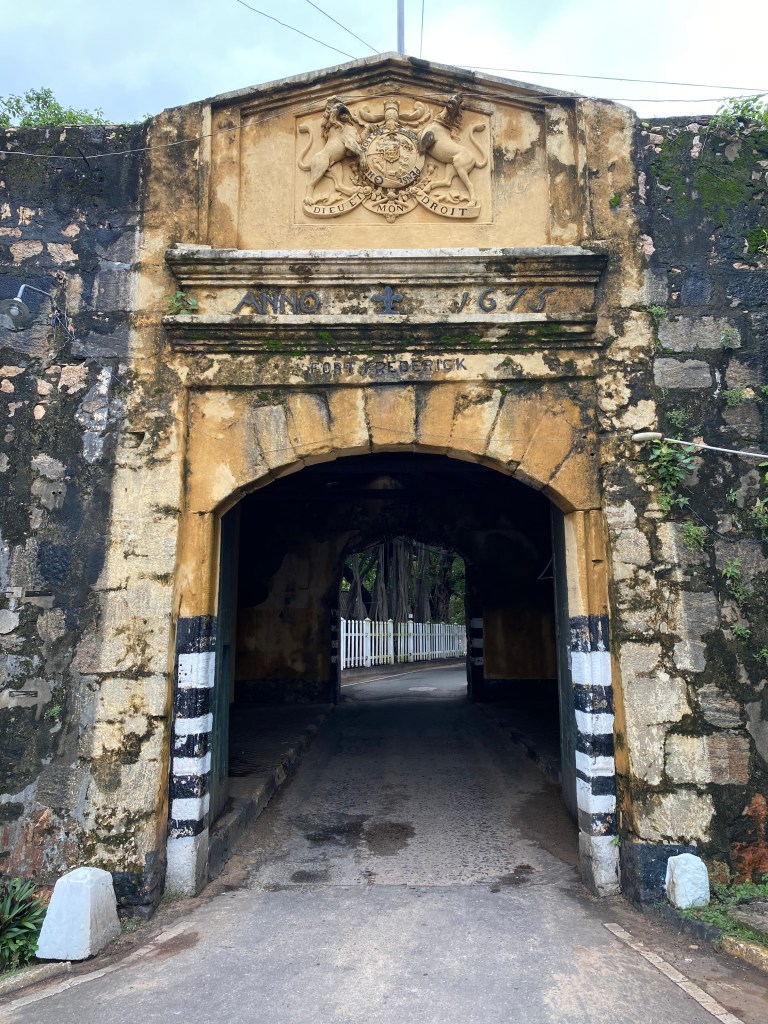
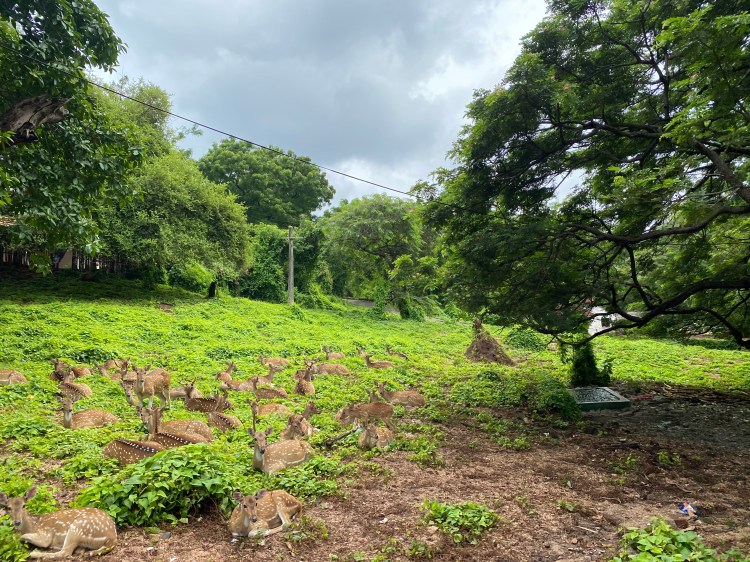
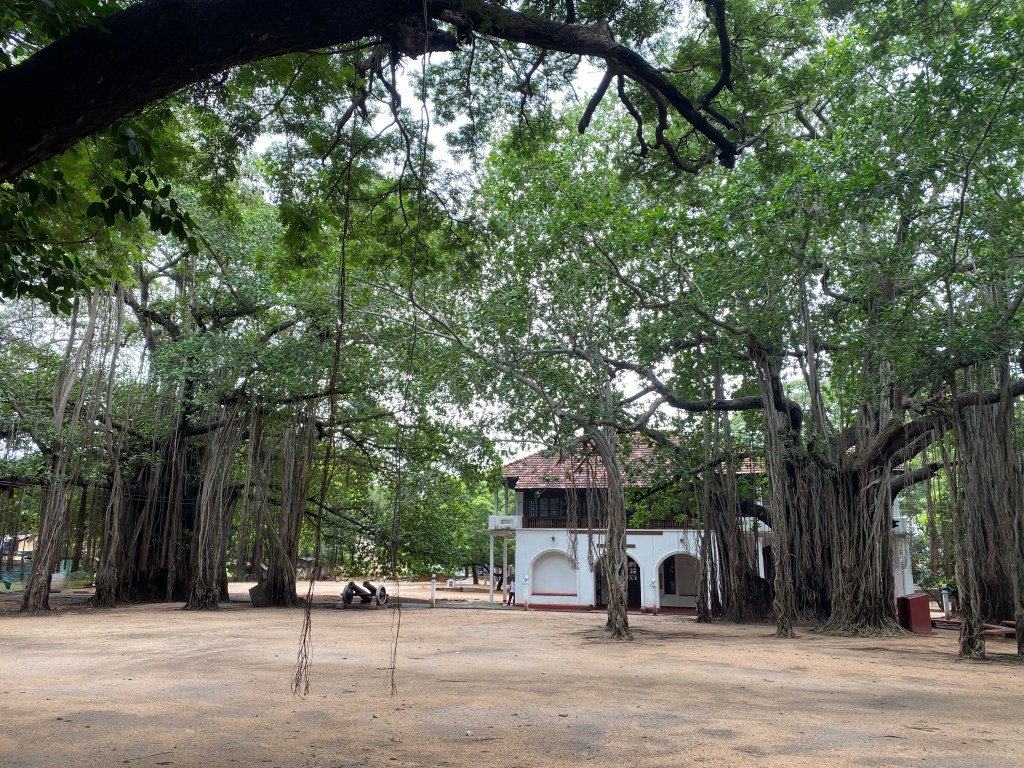
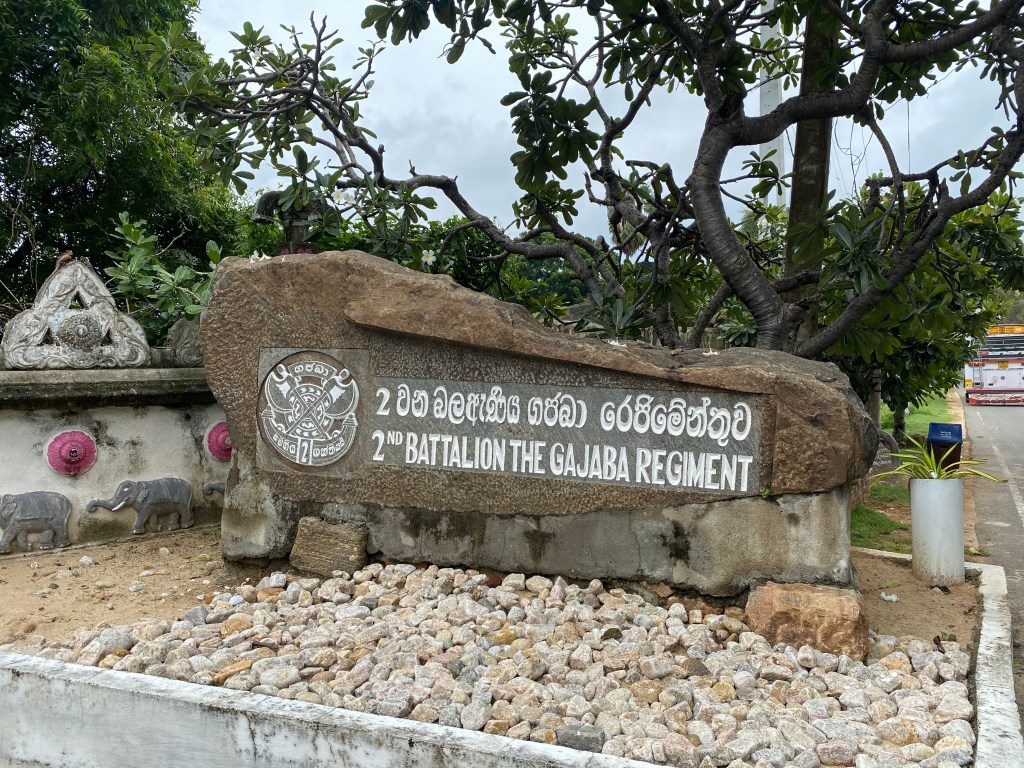
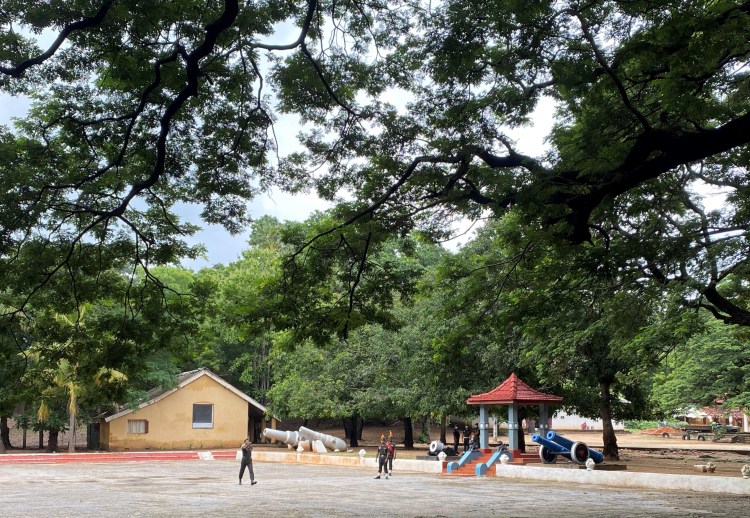
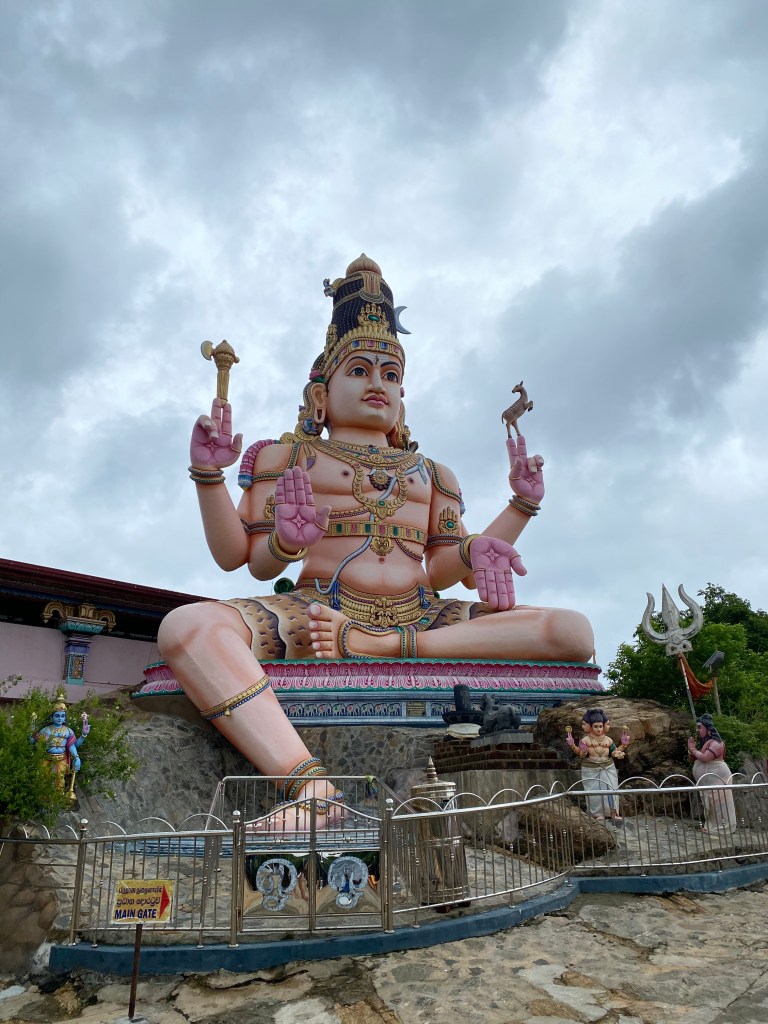
After seeing, and meeting, the army in Fort Frederick, we followed the path up the hill expecting there to be very little of interest; we encountered anything but. At the top of the hill was an abundance of colour. The white-spotted deer had been the highlight until we met an incredible Hindu Temple. Wow.

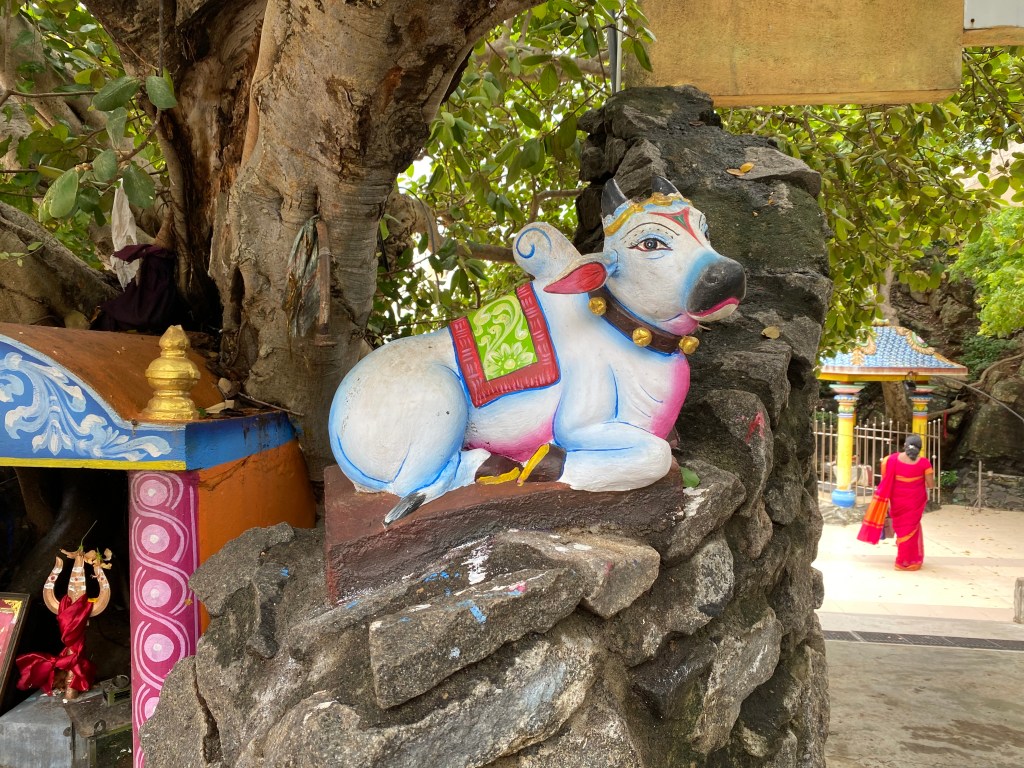
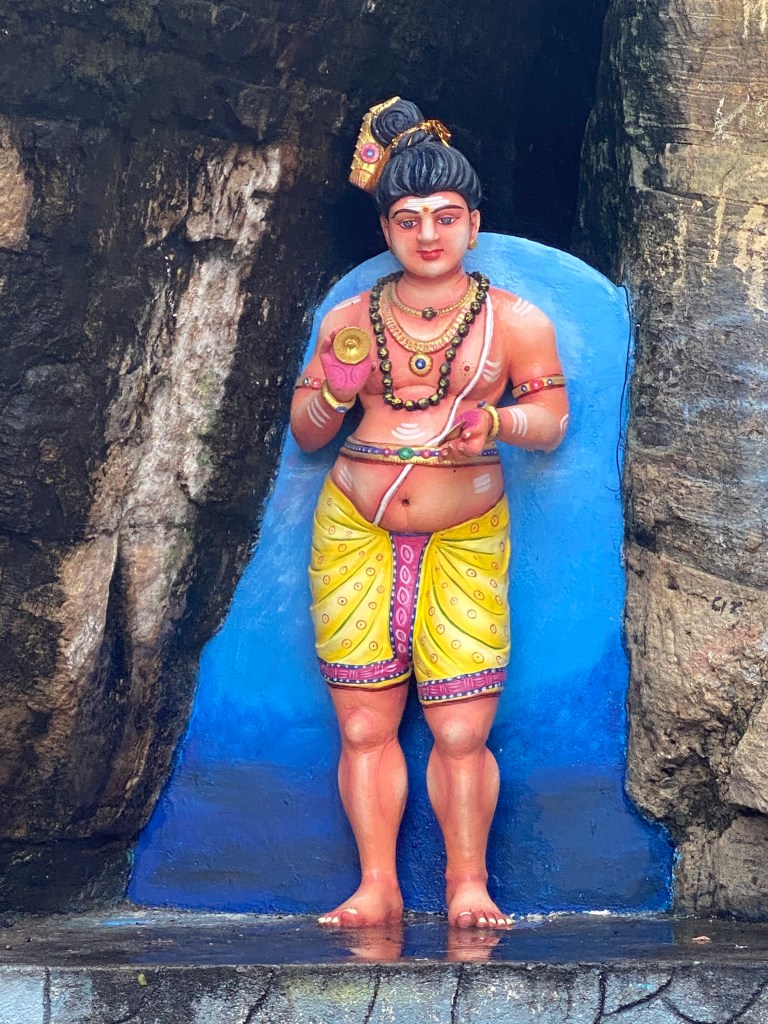
Jaffna
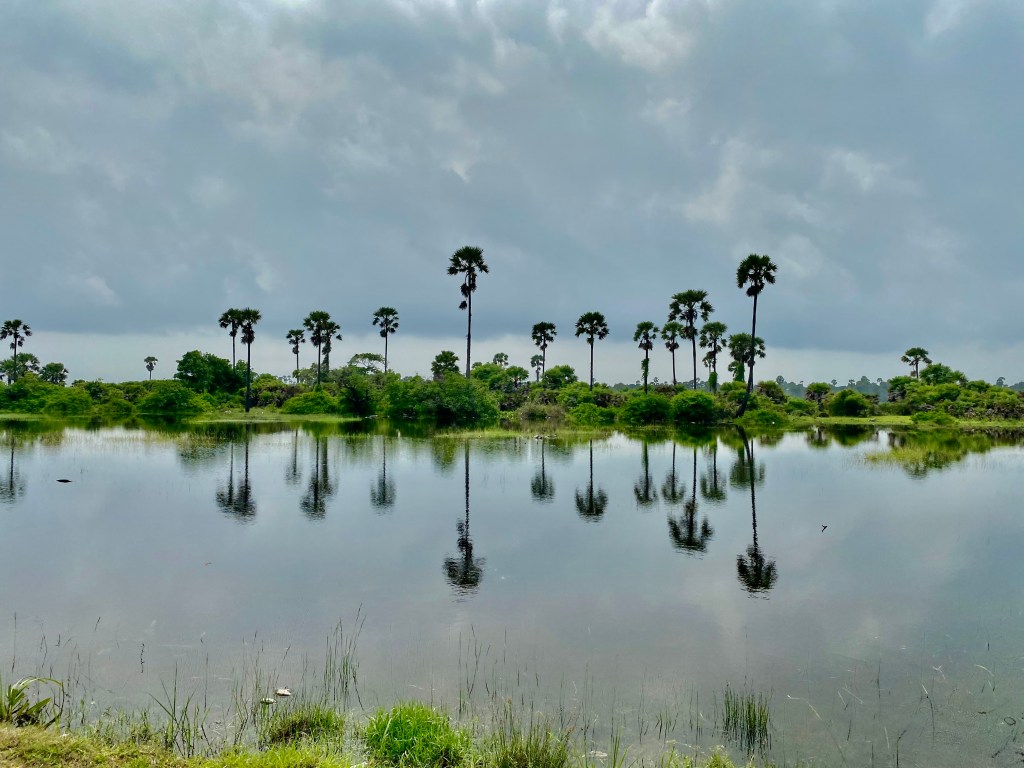
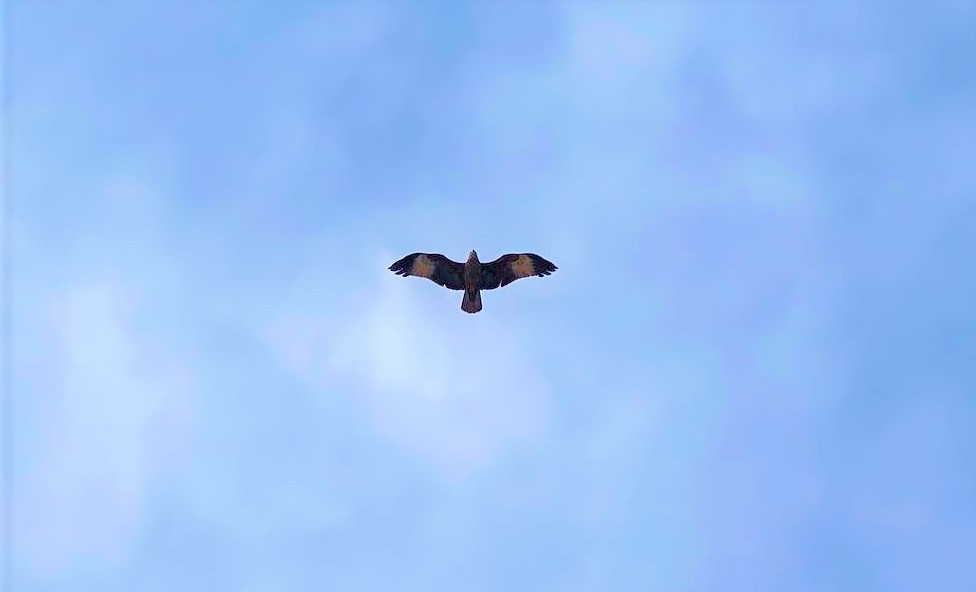
Jaffna had the fewest redeeming features of the places we visited. While the people were extremely hospitable, it was difficult to believe that even unadulterated sunshine would make the place overly attractive. However, we saw more birdlife here than we had seen in the entire rest of Sri Lanka (which is mainly populated by crows). Birds are notoriously difficult to photograph, even with a good camera, so you will have to take my word for it. Those we saw while driving across the huge lagoon – where most of the roads were also partially flooded (which made for a nervy morning’s drive) include: storks, elephant eagles, tiger kingfishers and kingfishers and egrets. Oh, and crows.
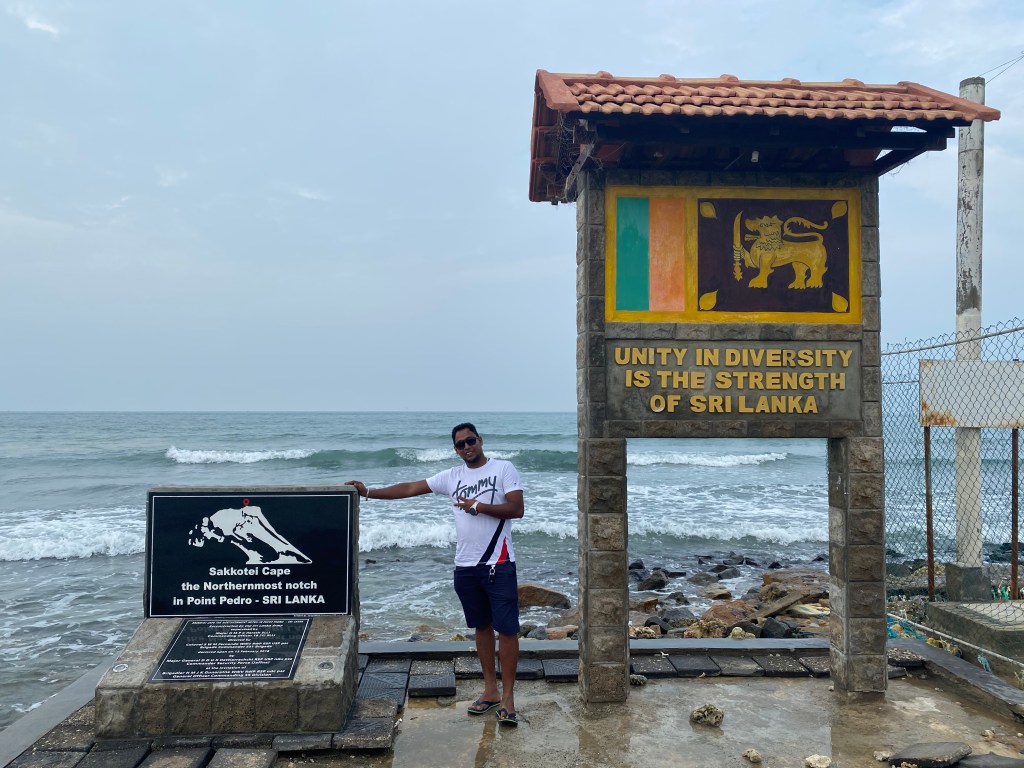
Pasikuda:
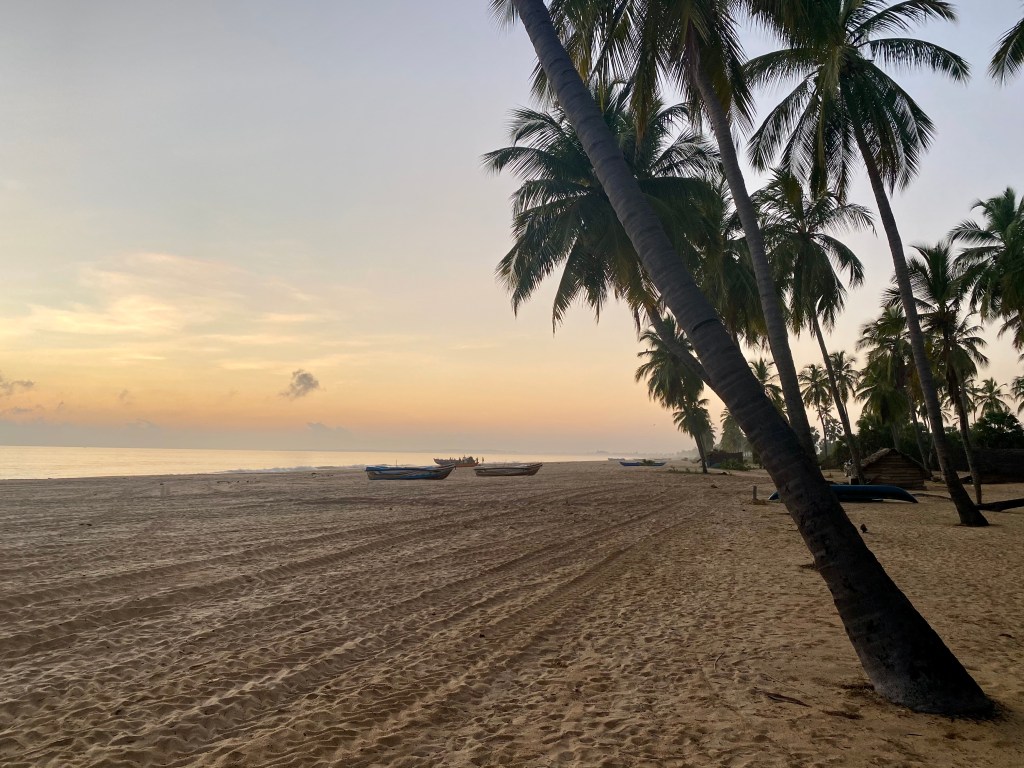
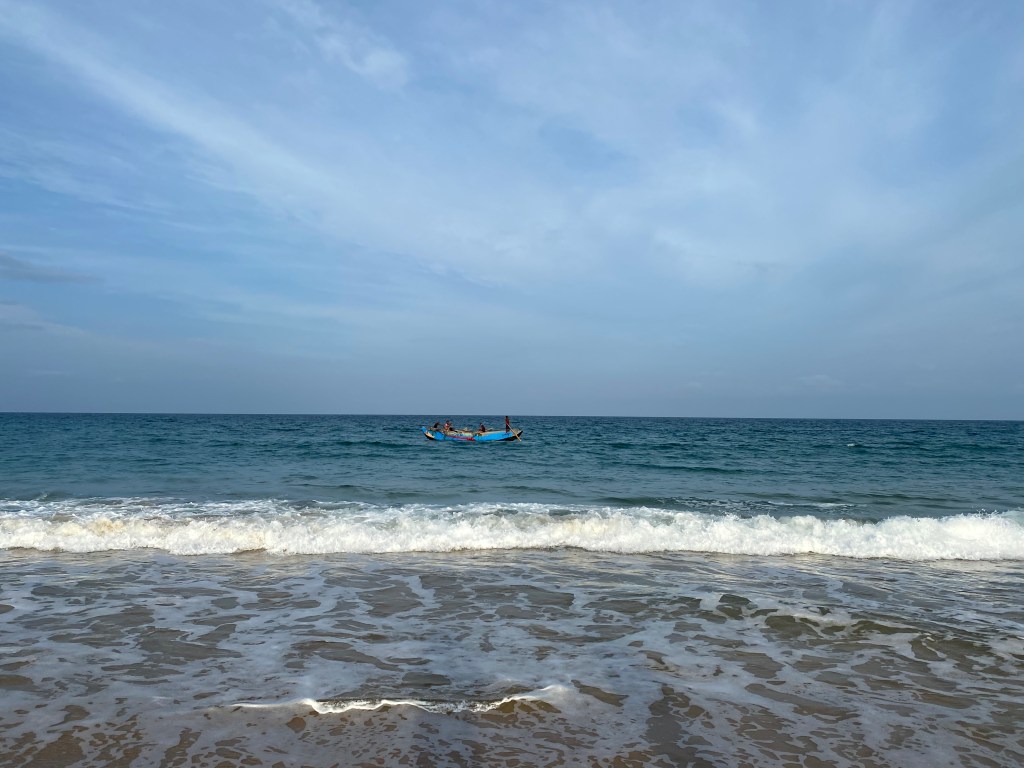
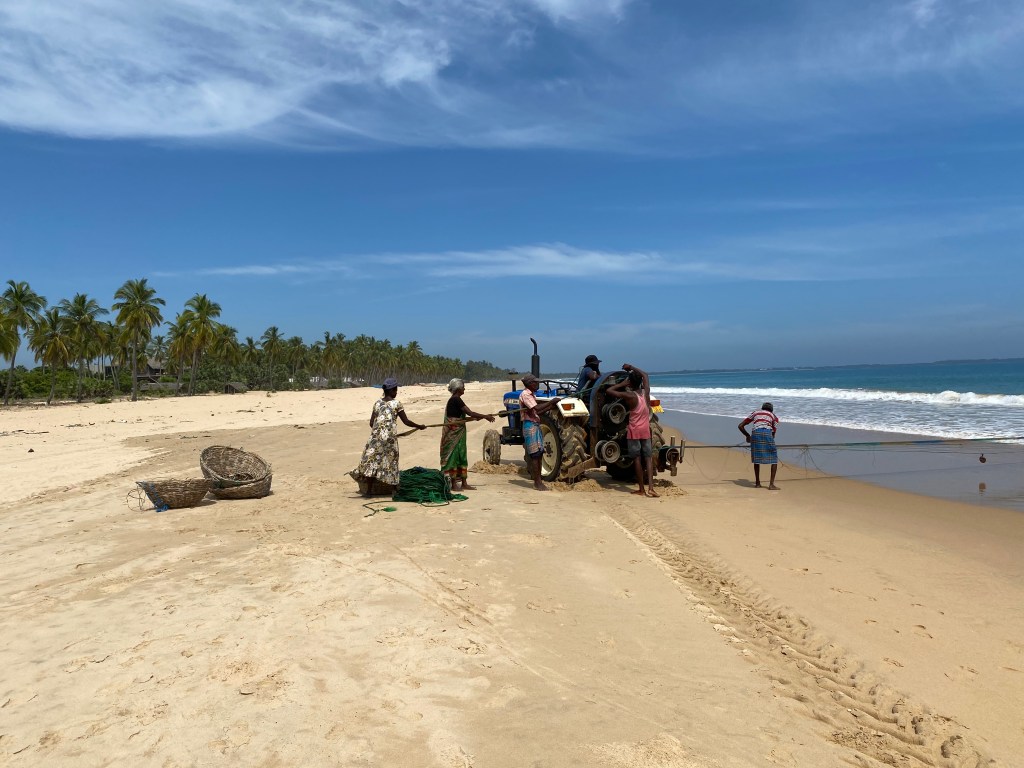
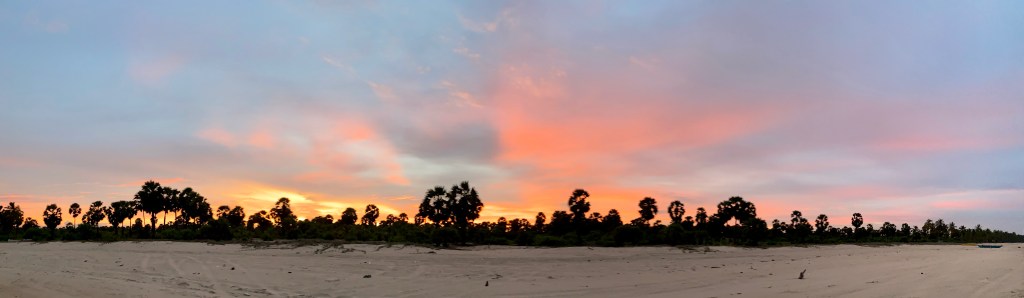
After more than two weeks on the road, we decided to settle on the east coast, just south of Pasikuda, for a little while. Little did we know when we booked the hotel quite how remote it was – a bit of a lack of planning after having meticulously planned the roadtrip. Karpaha Sands is about the most remote place one can stay in Sri Lanka so, after having been in surrounded by hustle and bustle and being on the move, it took a couple of days to acclimatise. However, after those couple of days had elapsed, we both relaxed in to the isolation and started to relish it. To anyone looking for a few days away from it all, we couldn’t recommend Karpaha Sands enough.
Colombo:
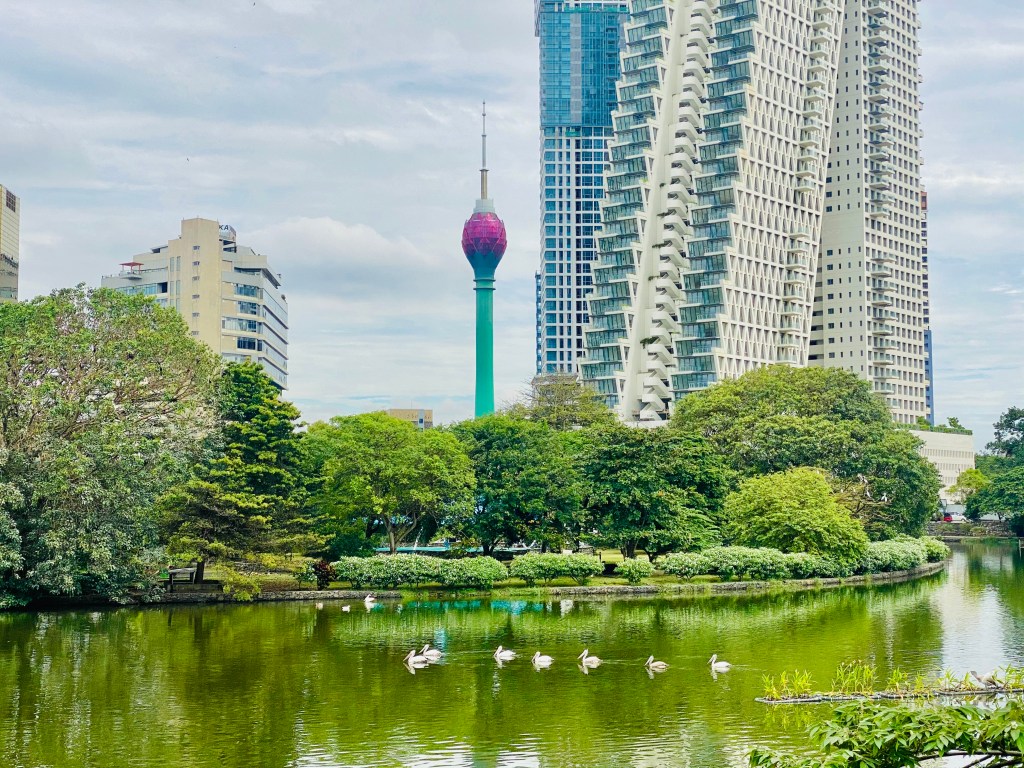
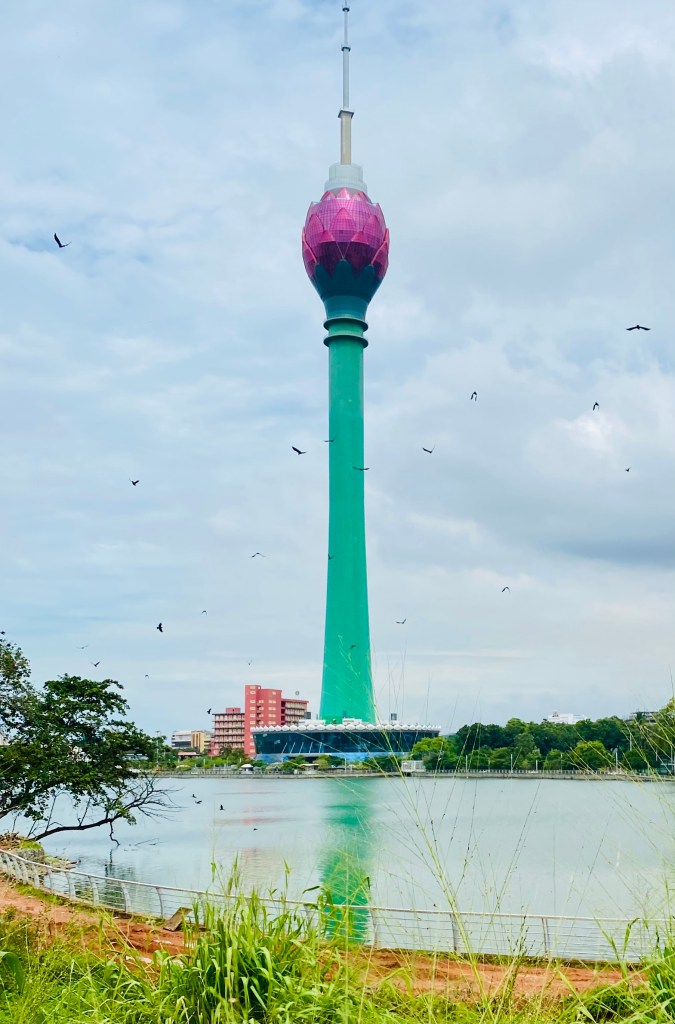
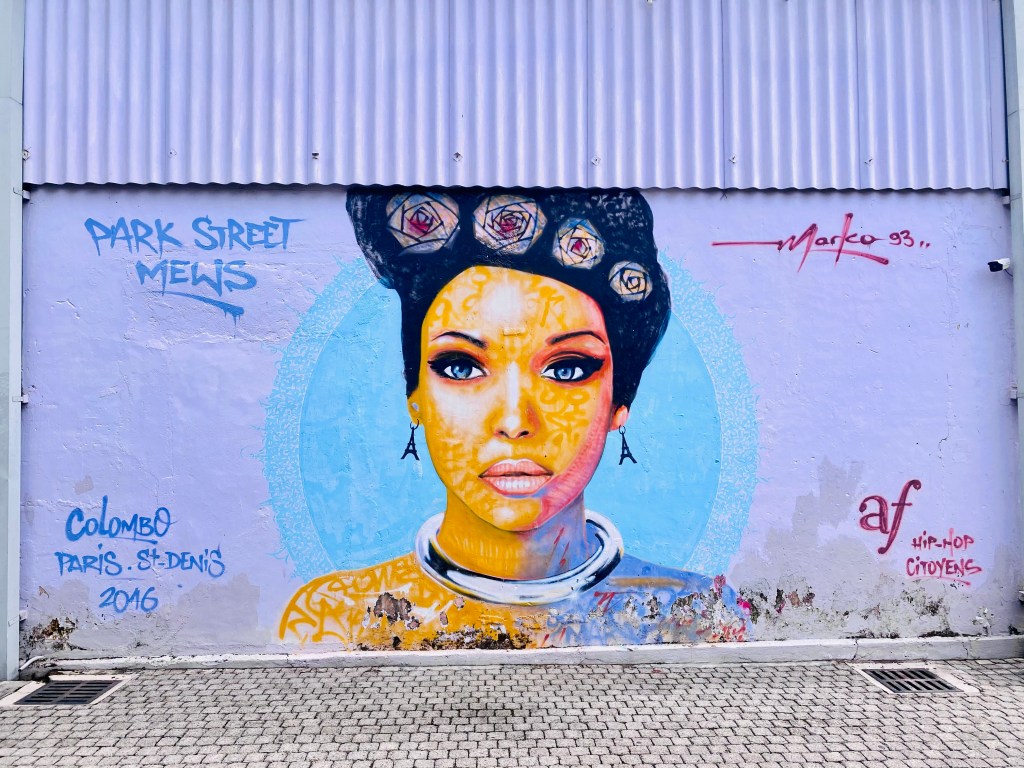
After two weeks’ getting back to one with nature, we decided to brutalise ourselves with a seven-hour taxi journey to Colombo, the capital of Sri Lanka, in preparation for our trip to Cape Town. Colombo, like many capital cities (particularly in the developing world), was hectic, congested and noisy; the air thick with exhaust fumes. In spite of this, there were many things to enjoy – the restaurants in particular. We had a few gourmet meals, which made a nice change from different variations of curry, and a few interesting walks around old Colombo and new Colombo which were cheek by jowl.
Tuk Tuks
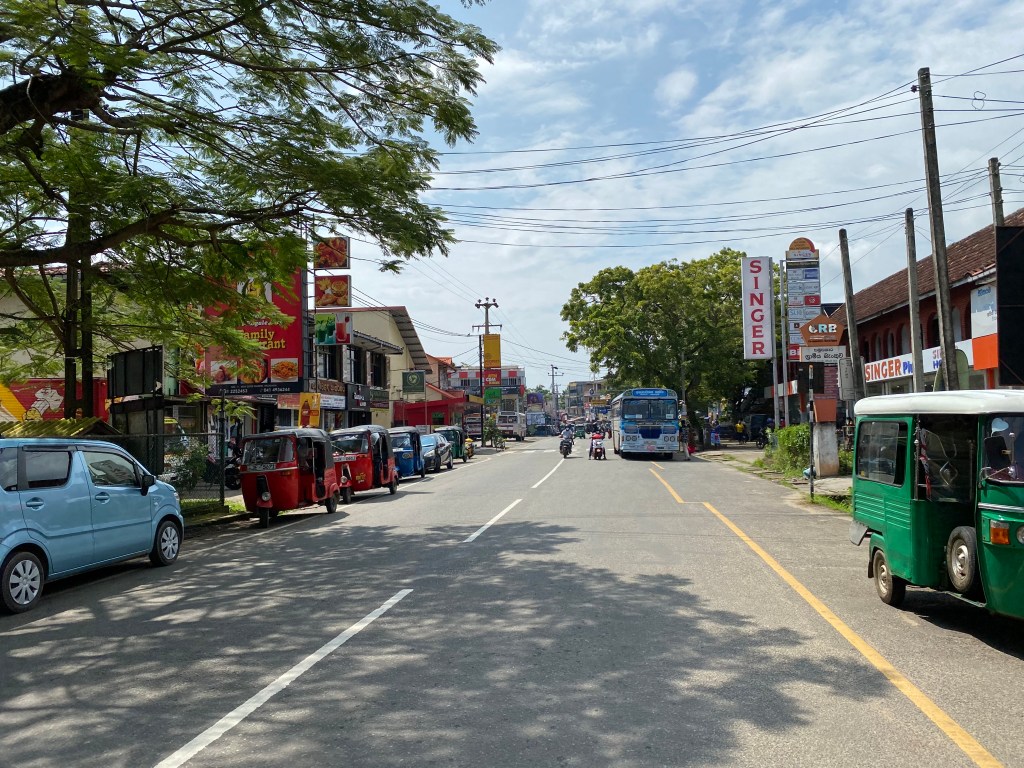
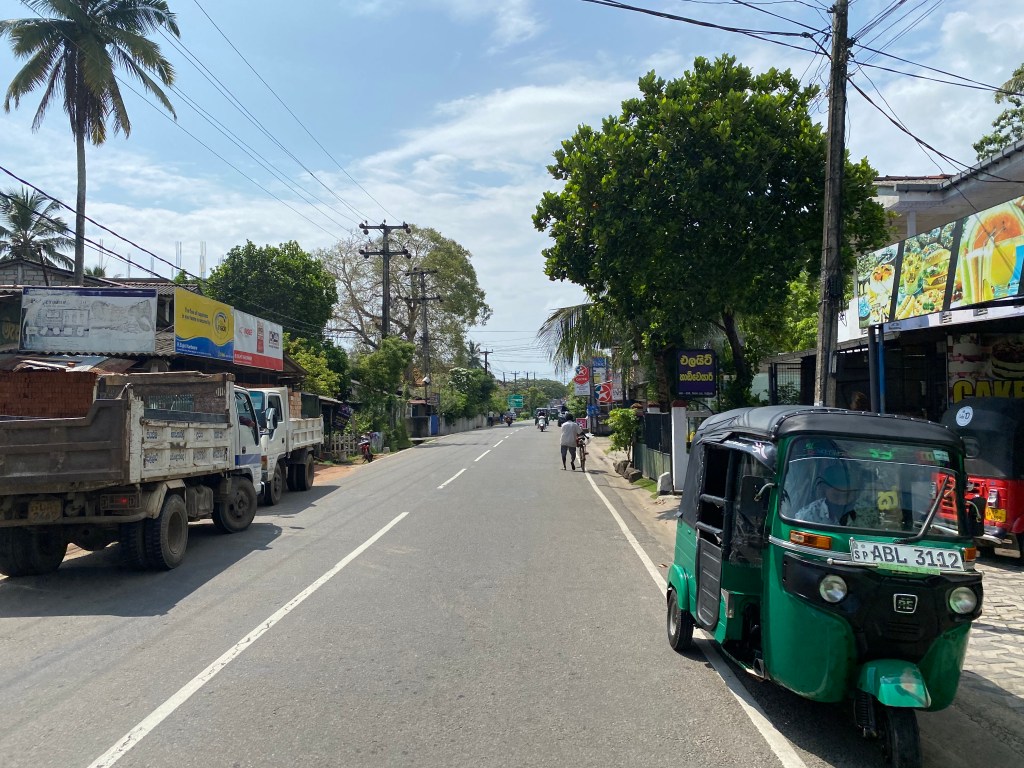
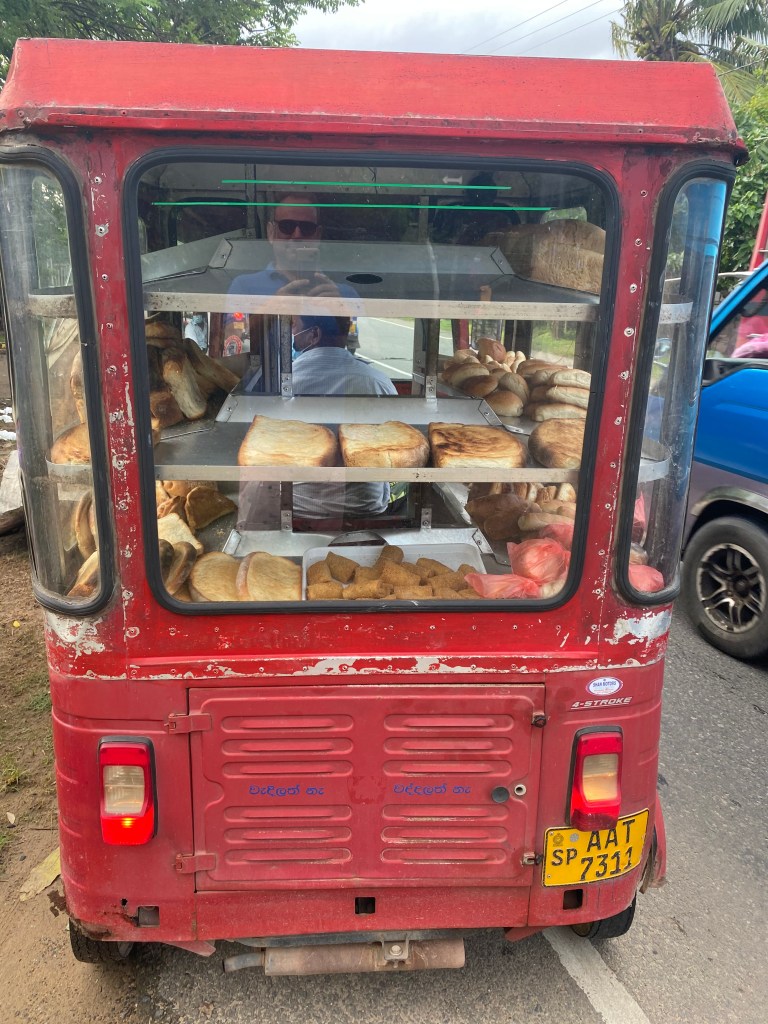
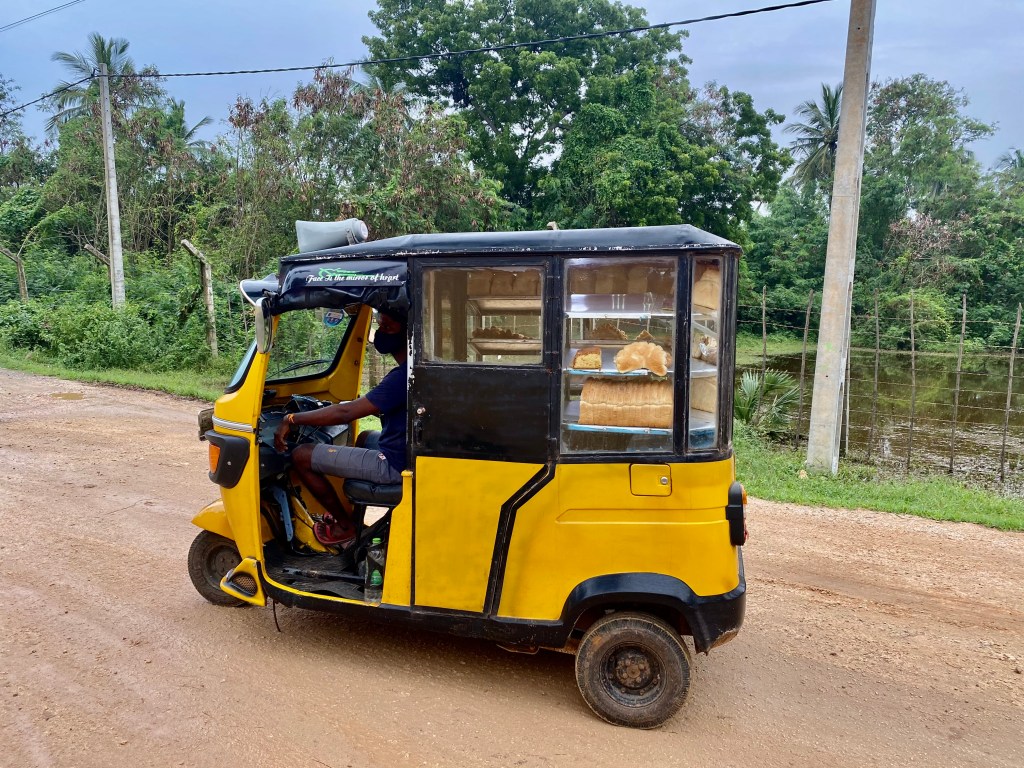
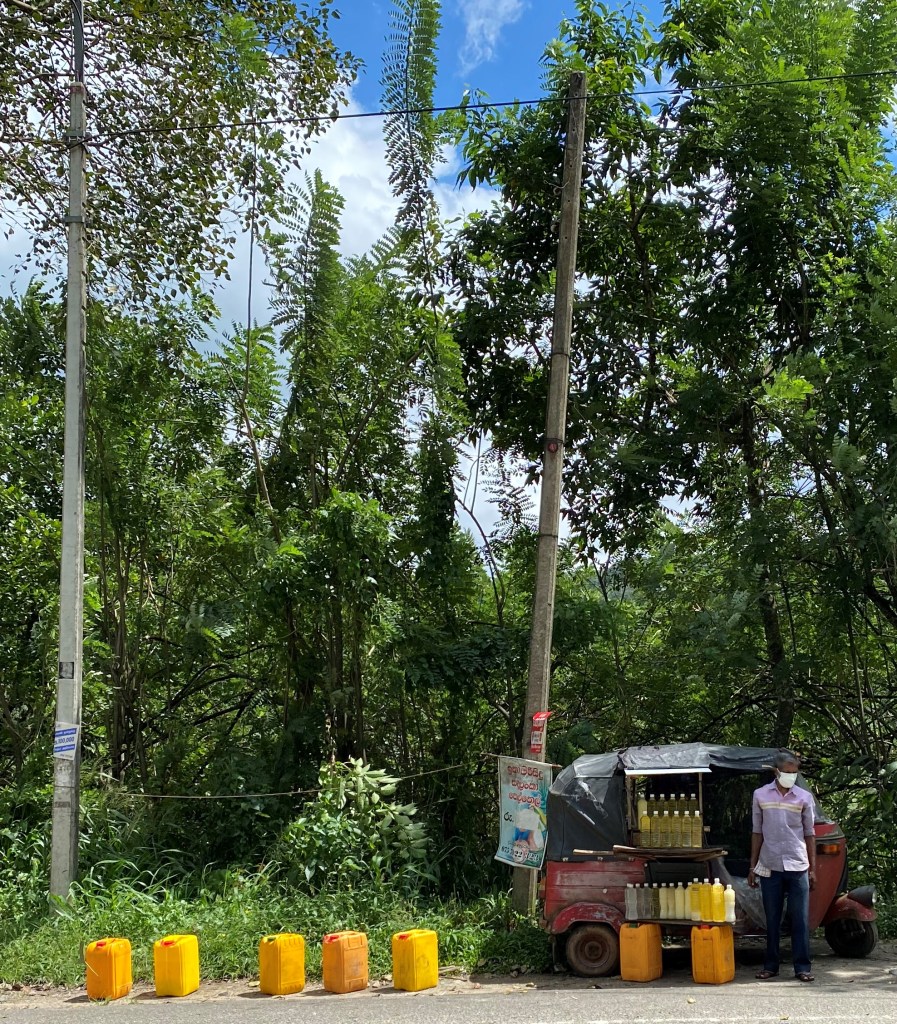
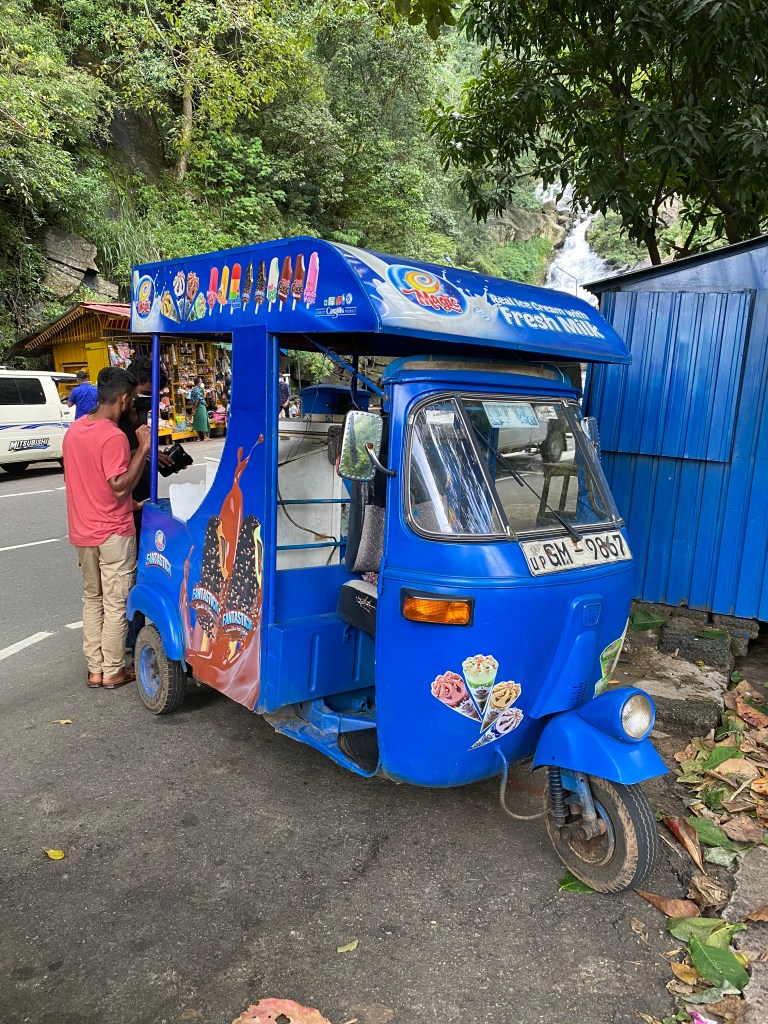
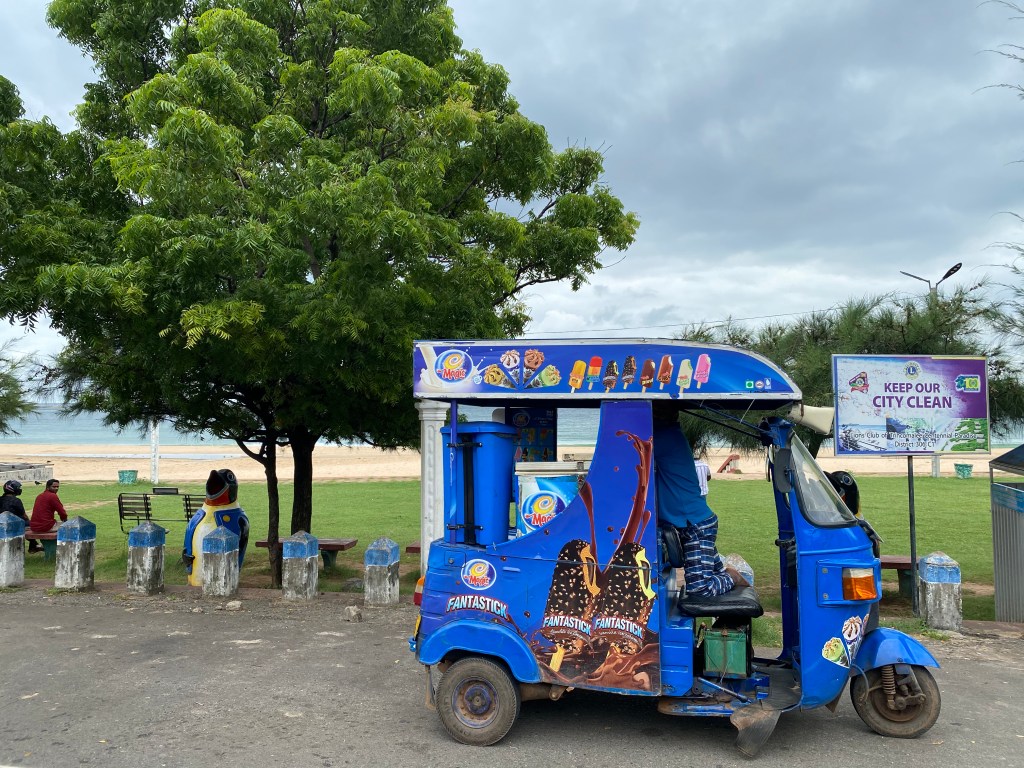
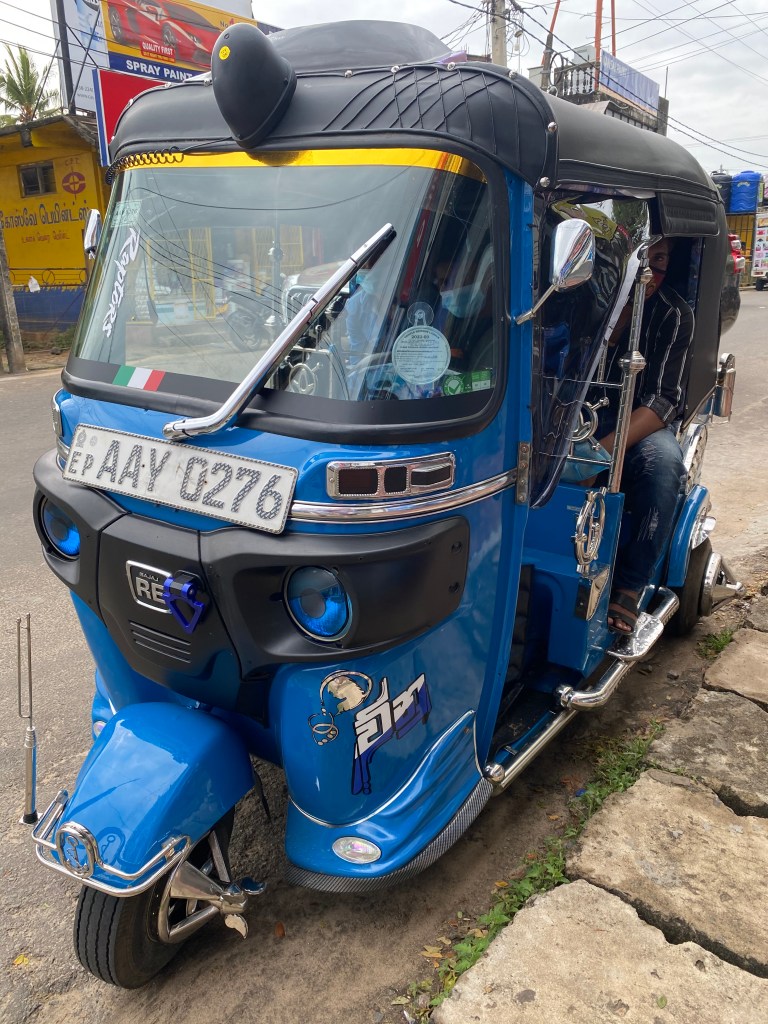
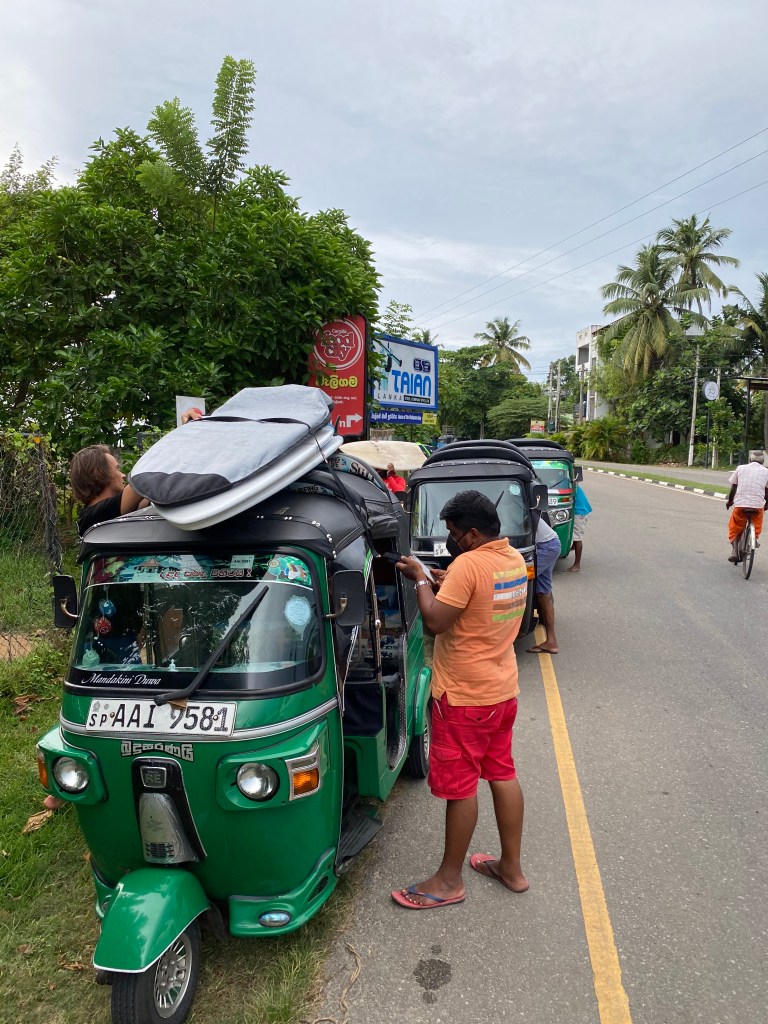
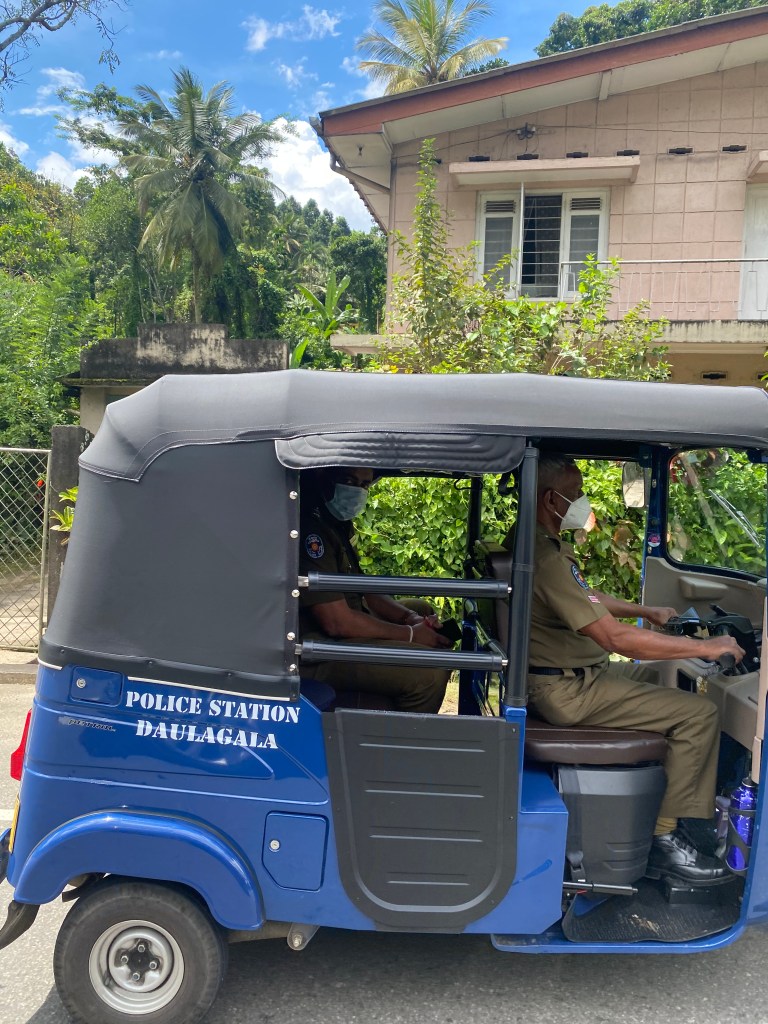
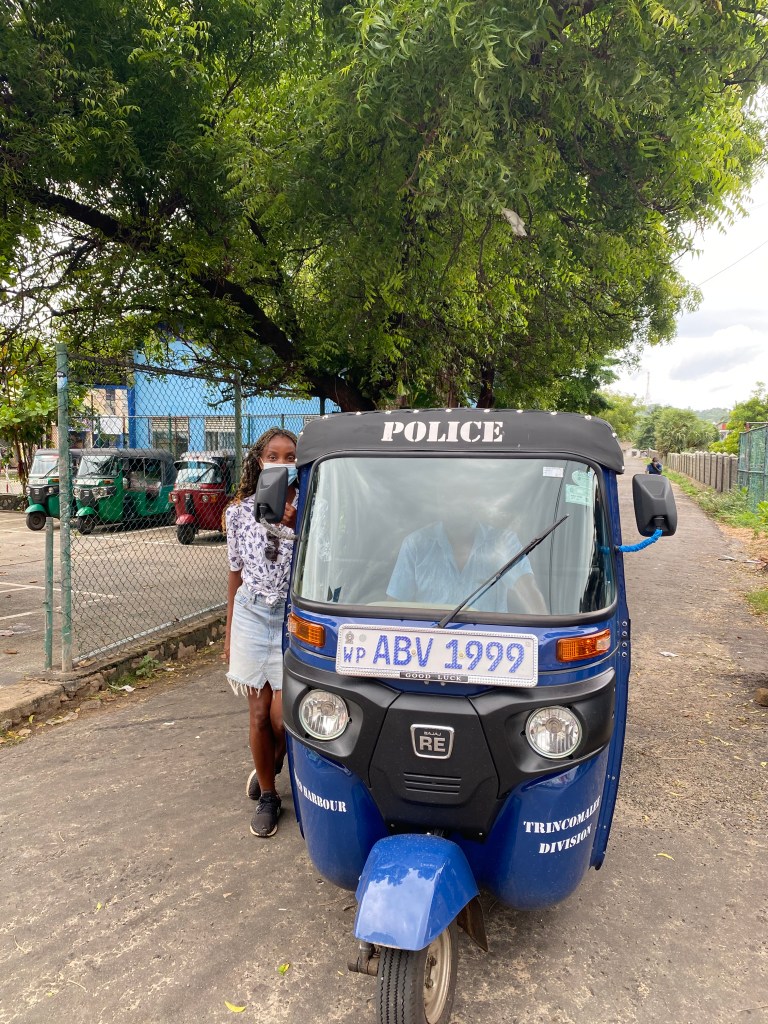
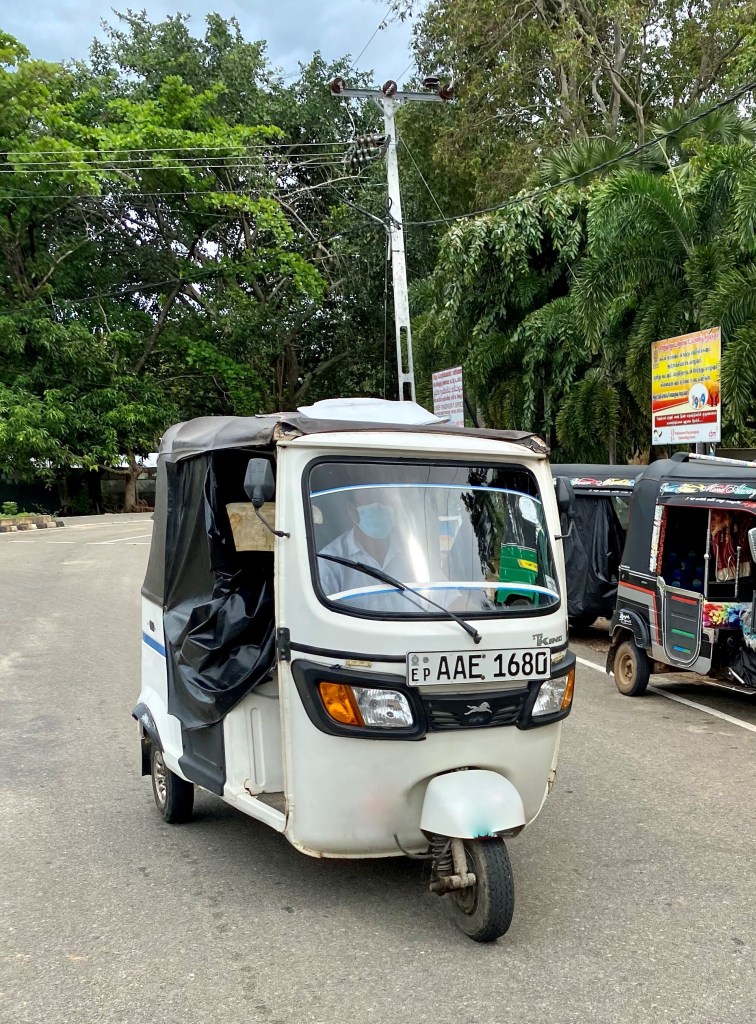
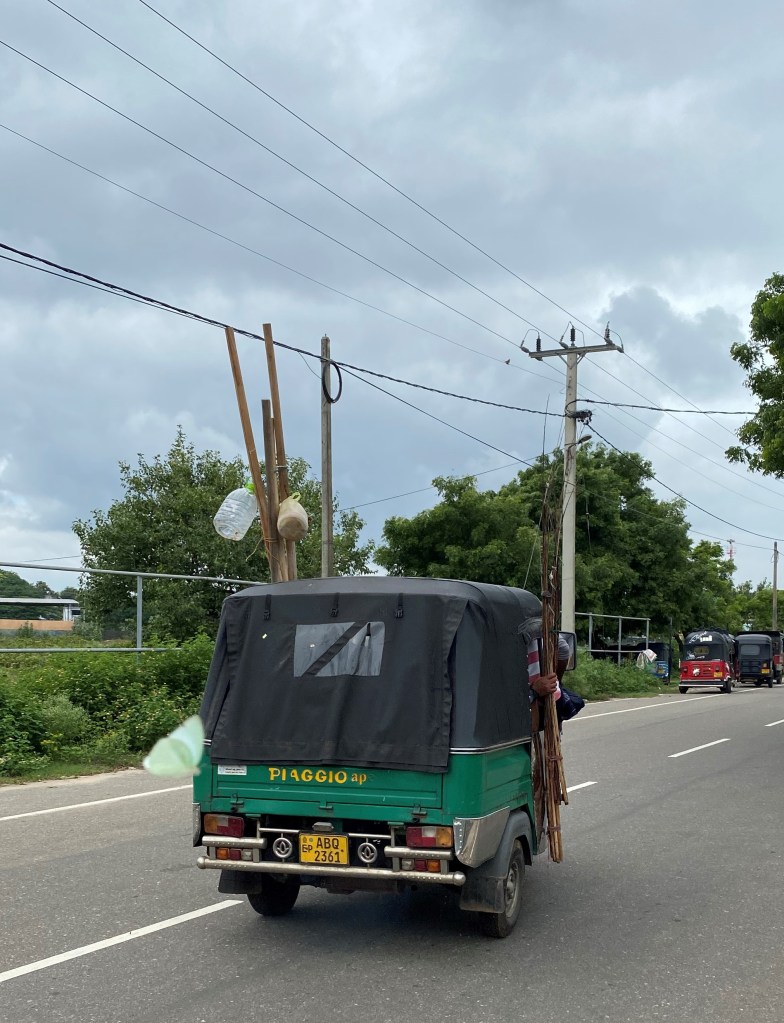
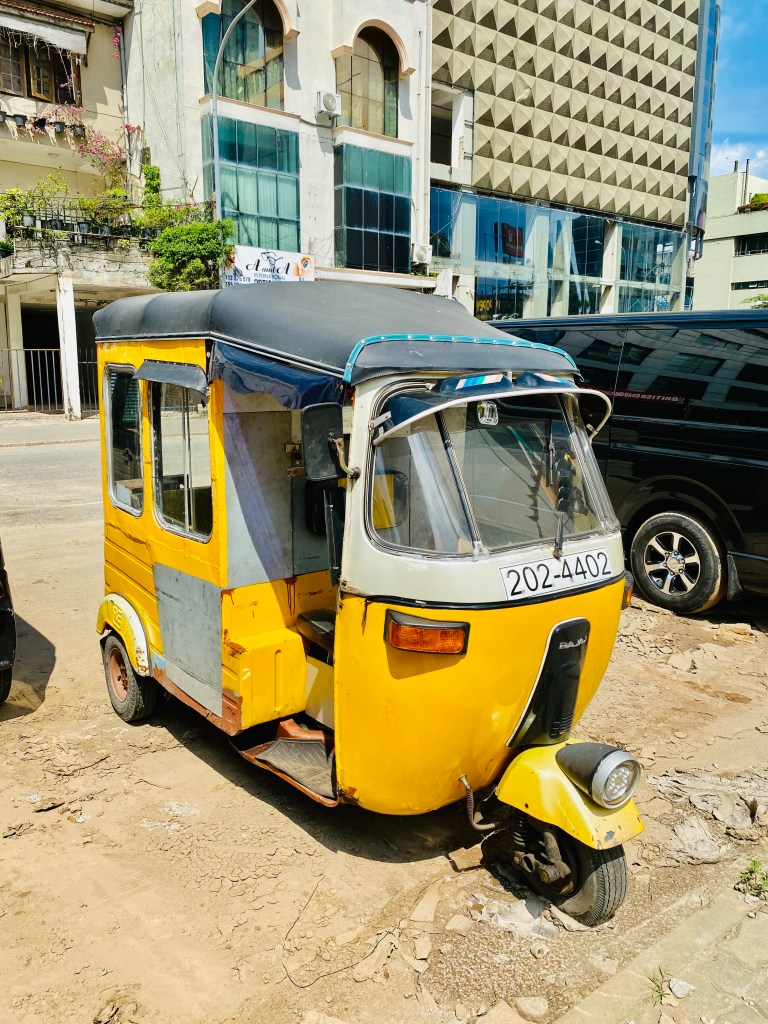
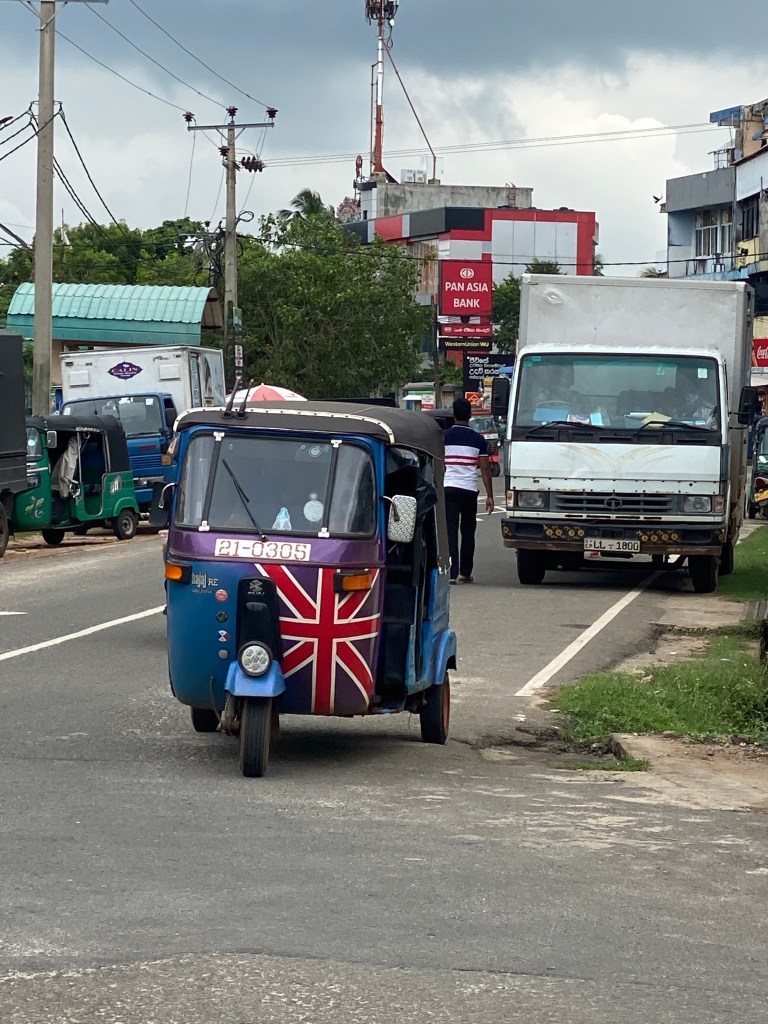
Tuk tuks probably account for about a third of all traffic and are without doubt the most prevalent vehicle on the Sri Lankan roads. Anyone can be a tuk tuk taxi driver in Sri Lanka (with a licence) and we met quite a few people who worked in the tourism industry who had got a licence to drive during lockdown when there was no tourism industry.
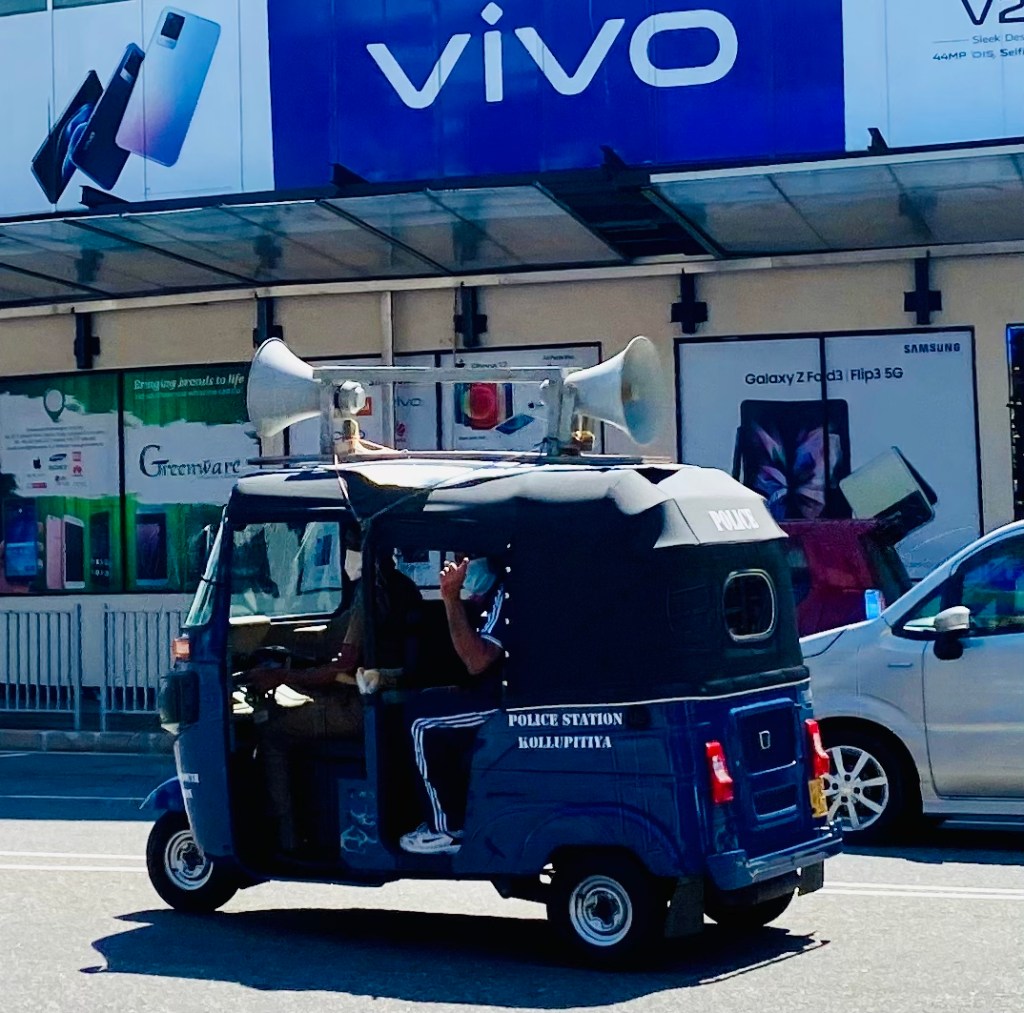
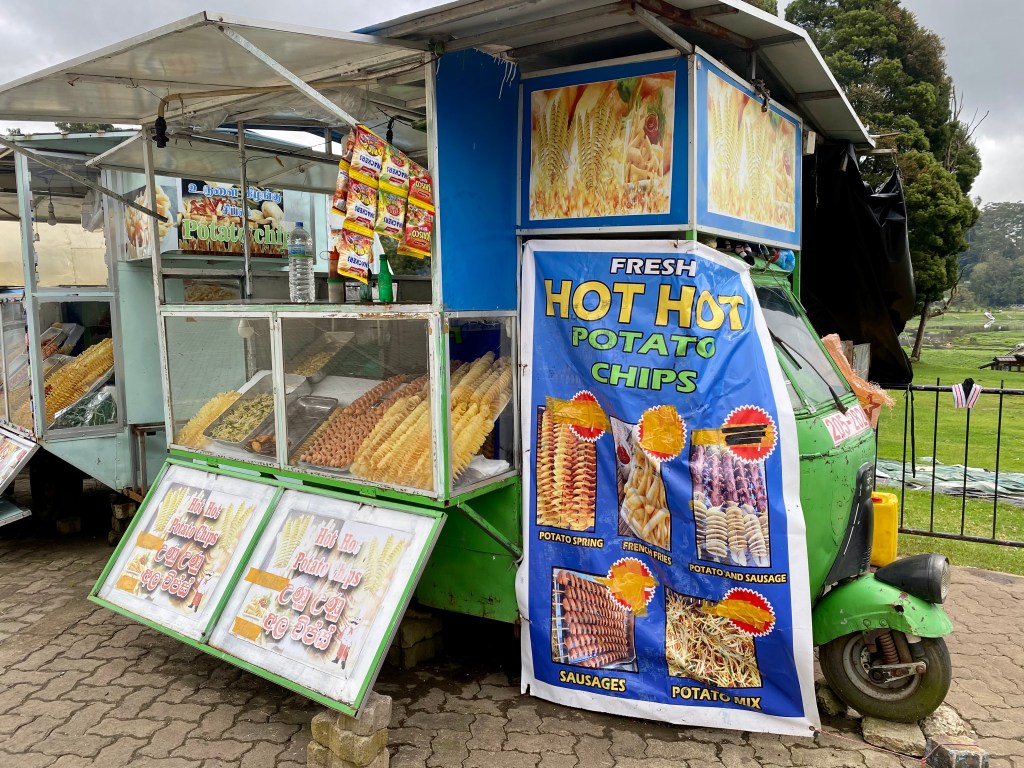
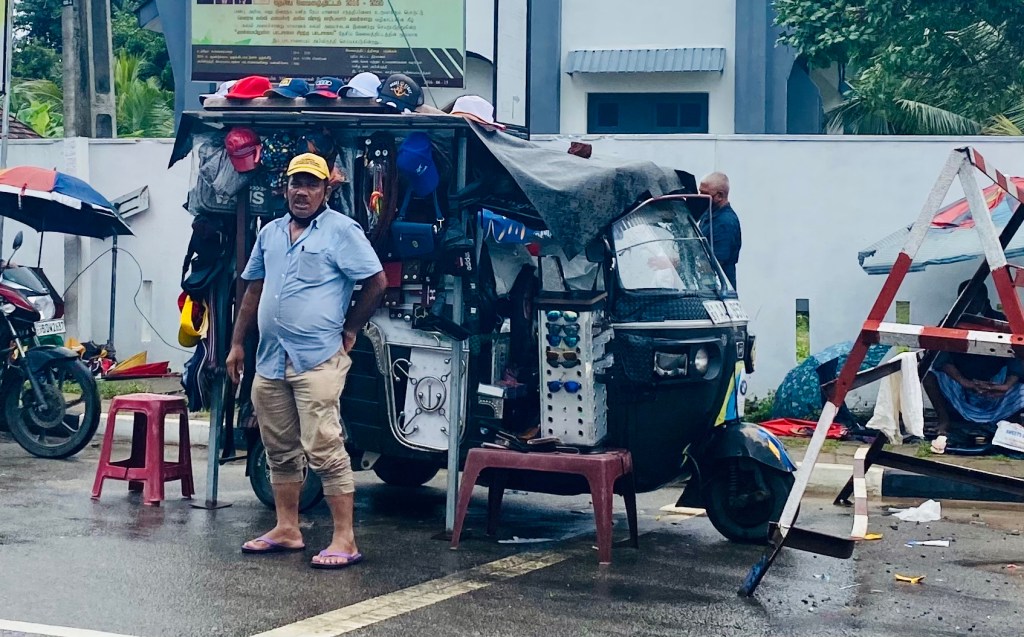
Tuk tuks are incredibly versatile and, while most are used primarily as taxis, this is definitely not the limit of their capabilities. I took pictures of as many articulations as I could (see below) but we saw many other uses including: florist, juice bar, handyman and an army tuk tuk. I was particularly miffed not to get a picture of the army tuk tuk but we saw these last few while driving as it’s not always possible to stop quickly given the hectic nature of the roads (see Roads section).
Roads of Sri Lanka
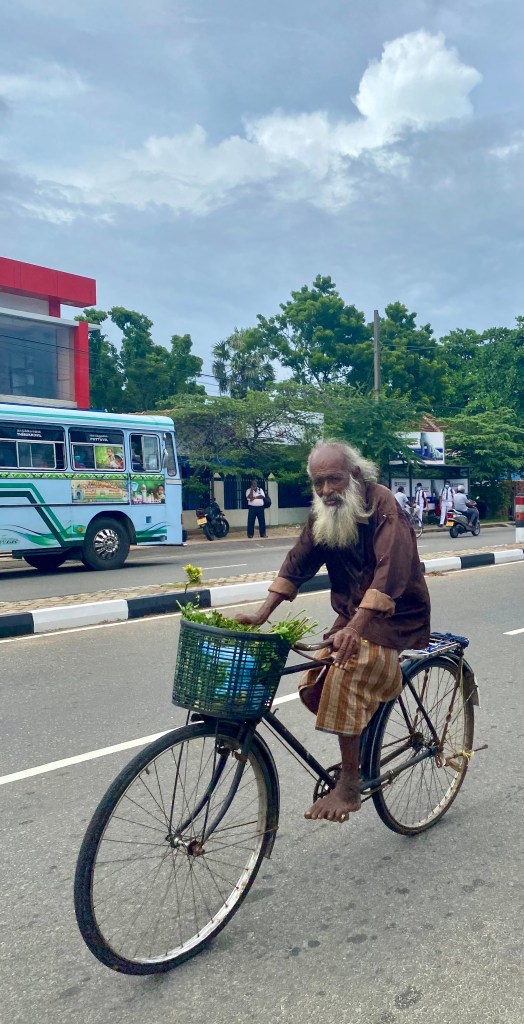
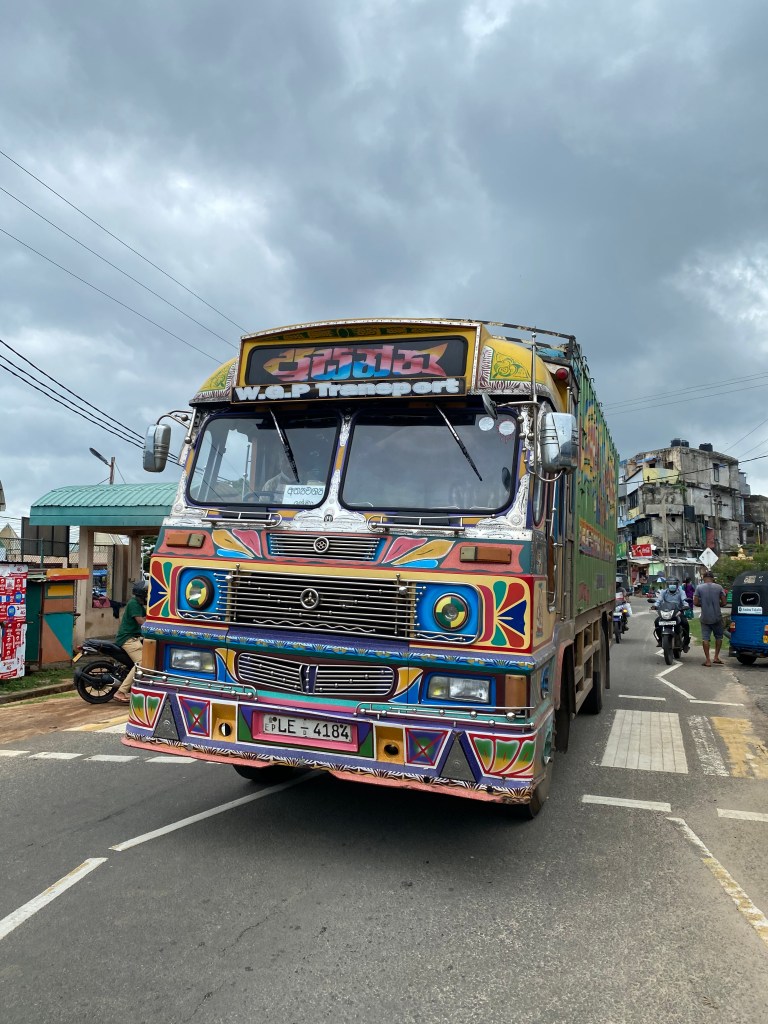
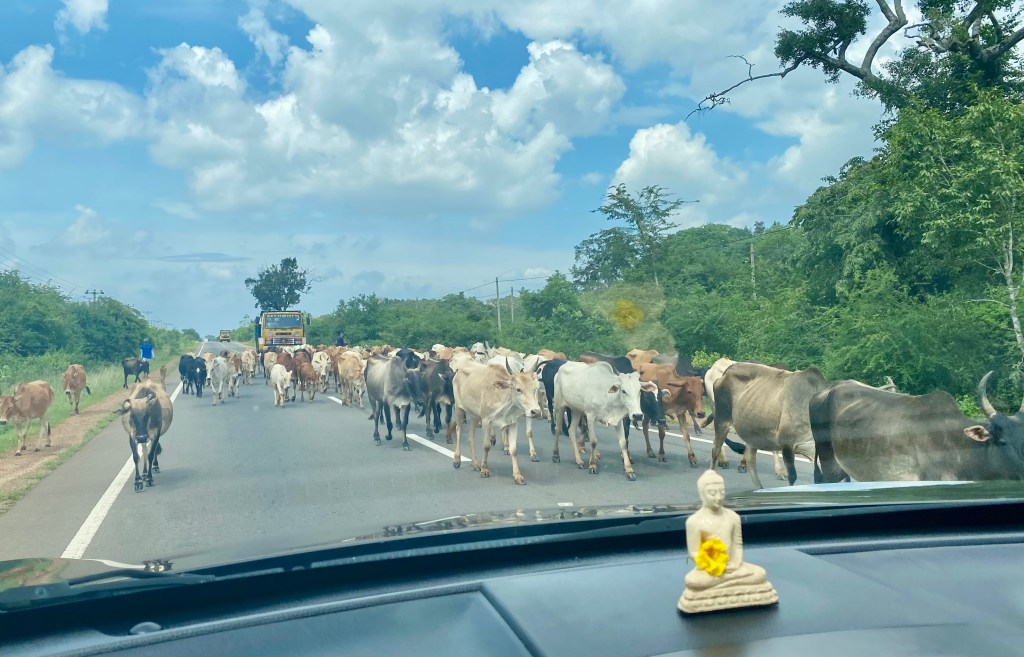
With the exception of a toll motorway which runs from Colombo to the south east of the island (the south of the island is where most of the tourists head), all roads in Sri Lanka are normal two-lane roads (one in each direction). The unofficial third lane for overtaking, which can go in either direction, is the middle of the road and is mainly used by the kamikaze bus drivers who go hell for leather between bus stops and have little regard for anything else on the road. The buses only yield for cows and buffalo which rule the road and seem completely nonchalant about the chaos they often cause.
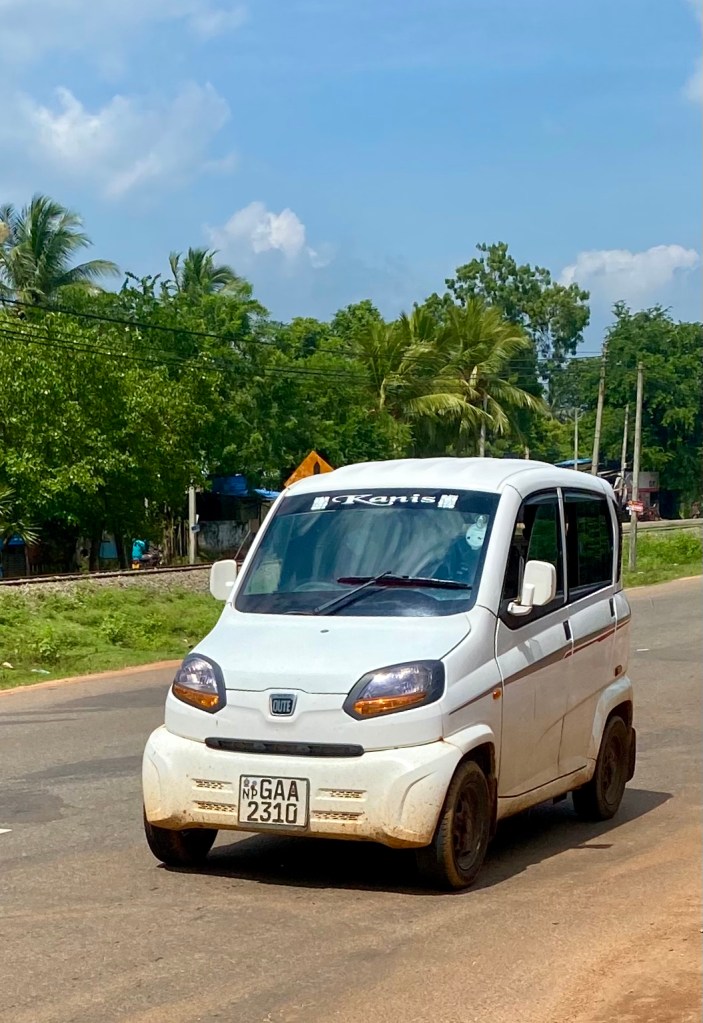
Who uses that third lane at any one time follows a ‘might is right’ formula with buses and lorries at the top followed by (in order) SUVs, vans, cars, tuk tuks, motorbikes, bikes and, finally, pedestrians. We often found ourselves at the bottom of this list wandering along the side of a road but, as in many of the countries we’ve visited, the drivers are not shy about using their horns!
In spite of the roads only having one lane in either direction we saw very few traffic jams, even in towns and cities. This seems to be down to a blend of expediency (i.e. they just make it work) and that most of the vehicles are about a third smaller than they are in the UK. The vans are all made by Tata, most cars by Suzuki and are genuinely boxes on four wheels, the tuk tuks are small (on the outside and TARDIS-like on the inside) and even the tipper trucks have a shorter wheelbase than UK trucks. It feels like driving around in a toy car simulator. But it works.
Crows
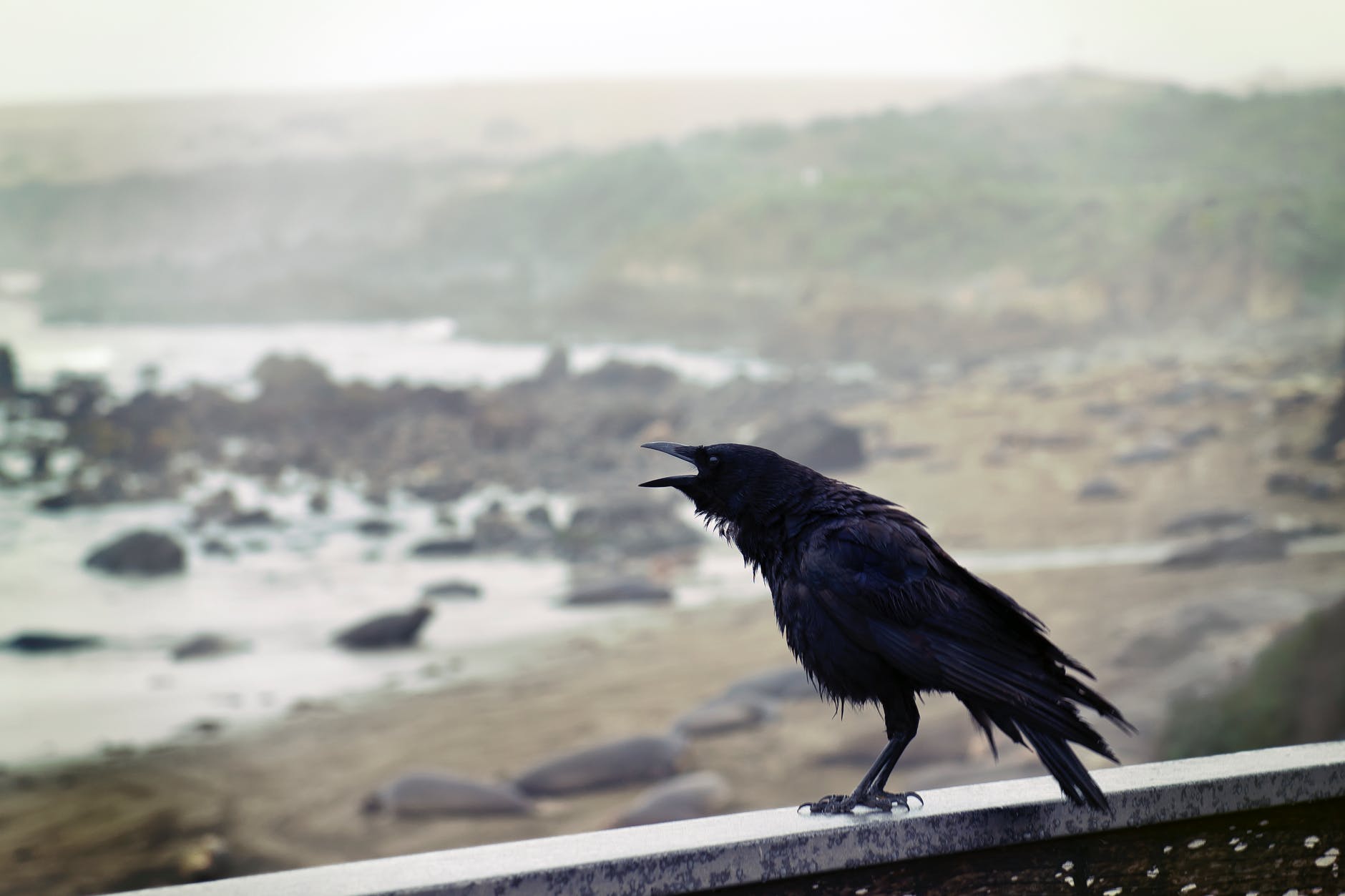
If you don’t like crows, Sri Lanka is definitely not the place for you. If you do, or can tolerate them, Sri Lanka is an island paradise.
 offthegridforabit.com